
Why Clay Soil Can Be Tough on Your Home's Foundation
Clay soil can create significant challenges for residential foundations because it expands when wet and contracts when dry. These repeated changes in soil volume can place pressure on a home's structural support, potentially causing cracks, shifting, and uneven settlement. According to Gitnux, one in four homes in clay soil regions experience foundation settlement yearly, highlighting the importance of understanding how soil conditions affect structural stability.
Homeowners in clay-heavy regions should recognize the warning signs of foundation damage and understand what contributes to these problems. Identifying early symptoms and seeking professional assistance can help prevent minor concerns from becoming more extensive structural issues. A professional foundation repair service can evaluate soil-related damage and recommend appropriate solutions.
Understanding Clay Soil Characteristics
Clay soil consists of extremely fine particles that compact closely together, leaving limited space for water to drain. This composition allows clay to retain moisture longer than sandy or loamy soil. When clay absorbs water, it expands, and during dry periods, it contracts as moisture levels decrease.
These changes can affect the ground supporting a home. Expansion may push against foundation walls, while contraction can create gaps beneath portions of a foundation. Over time, repeated movement can weaken structural support and contribute to settlement. Clay soil is common in areas such as Texas, Colorado, and parts of the Midwest. Builders working in these regions must account for local soil characteristics when designing foundations and evaluating structural risks.
Examining Clay Soil Expansion and Contraction
The expansion and contraction of clay soil are among the biggest threats to foundation stability. When rainfall increases moisture levels, clay particles absorb water and cause the surrounding soil to swell. This expansion can push against foundation walls and place uneven pressure beneath concrete slabs.
Dry weather creates the opposite problem because clay loses moisture and shrinks. As the soil contracts, portions of a foundation may lose consistent support, increasing the likelihood of settlement. These repeated moisture fluctuations can create structural stress that becomes more noticeable over time.
Seasonal weather patterns can make these problems especially challenging. Extended rainfall may cause excessive soil expansion, while drought conditions can contribute to significant contraction. A professional foundation repair service can determine whether seasonal soil movement has contributed to existing damage.
Identifying Common Foundation Problems
Clay soil can contribute to several types of foundation damage. Uneven pressure may cause concrete to crack, sections of a foundation to shift, or portions of a building to settle. These problems can affect both the exterior structure and interior living spaces. Foundation movement does not always happen evenly. One section of a home may experience greater soil pressure or moisture changes than another, resulting in differential settlement. This uneven movement places additional stress on walls, floors, and other structural components. Professional evaluations help identify the underlying causes of these problems. A foundation repair service can examine affected areas, assess the extent of movement, and determine which repairs are appropriate.
Recognizing Signs of Foundation Settlement
Foundation settlement occurs when the soil beneath a structure can no longer provide consistent support. Clay soil is particularly susceptible because its moisture content and volume can change significantly throughout the year. As the ground shifts, portions of a home may gradually sink or move out of alignment.
Common warning signs include sloping floors, cracks near windows and doors, and gaps developing between walls and ceilings. Doors and windows may also become difficult to open or close as their frames shift with the surrounding structure.
According to Gitnux, 1 in 4 homes in clay soil regions experience foundation settlement yearly. This statistic demonstrates how frequently homeowners in these areas encounter structural concerns. Scheduling a professional foundation repair service when symptoms appear can help identify settlement before it causes more extensive damage.
Understanding Foundation Cracks and Structural Shifting
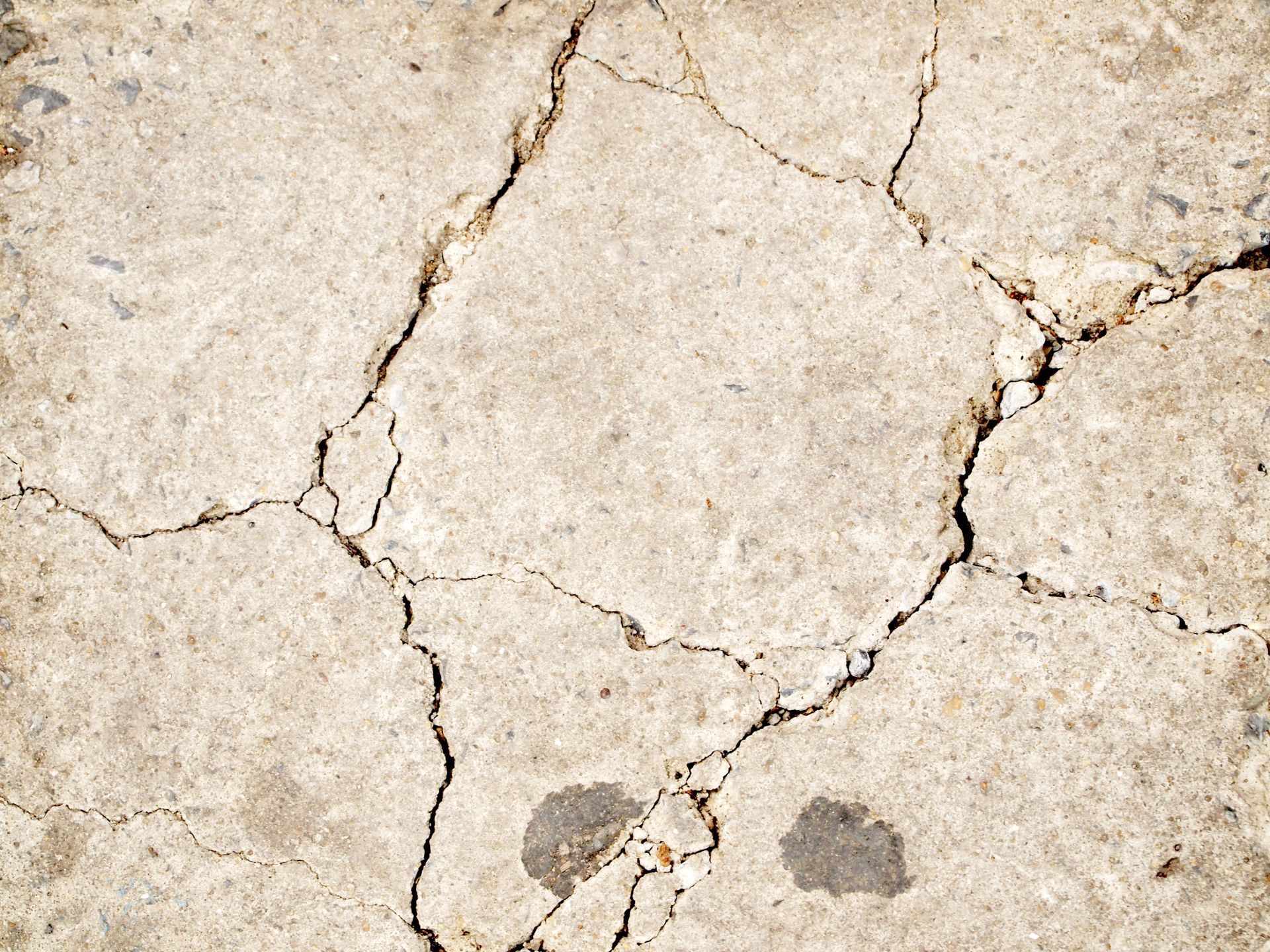
Cracks in concrete foundations, interior walls, and exterior masonry can develop when clay soil places uneven pressure on a home. Their size, direction, location, and progression can provide useful information during a professional inspection.
Horizontal cracks in foundation walls may indicate pressure from surrounding soil, while stair-step cracks in masonry can suggest uneven settlement. Cracks that continue widening or appear alongside other structural changes deserve particular attention. A professional assessment can determine whether the damage is related to soil movement or another structural concern.
Foundation shifting can also affect the alignment of the entire building. Homeowners may notice gaps around windows, uneven flooring, and separation between building materials. A qualified foundation repair service can evaluate these symptoms and recommend appropriate solutions.
Evaluating Drainage and Moisture Problems
Poor drainage can make clay soil conditions even more challenging. Because clay drains slowly, excess rainfall may remain near the home and contribute to soil expansion. Prolonged moisture exposure can increase pressure against foundation walls and encourage structural movement.
Water accumulation can also contribute to hydrostatic pressure. This pressure develops when groundwater builds up against below-grade surfaces, potentially causing cracks and moisture intrusion. Properties with inadequate drainage may experience recurring problems during periods of heavy rainfall.
Professional evaluations often include examining drainage conditions and identifying sources of excess water. Correcting drainage deficiencies can be an important part of addressing foundation problems. A foundation repair service may recommend drainage improvements alongside structural repairs when moisture contributes to the damage.
Considering Seasonal Foundation Movement
Changes in temperature and precipitation influence how clay soil behaves throughout the year. Wet seasons increase soil moisture and encourage expansion, while prolonged dry periods contribute to contraction. These fluctuations can place repeated stress on foundations, particularly when different sections of a property experience uneven moisture conditions.
Homes in areas with significant seasonal weather changes may experience recurring foundation movement. A structure that remains stable during moderate weather may develop new cracks following an extended drought or unusually wet season. Monitoring these changes helps professionals determine whether structural movement is ongoing.
Seasonal inspections can also reveal the progression of existing foundation damage. Professionals can compare symptoms over time and identify changes that require attention. A foundation repair service can use these findings to recommend appropriate repairs.
Exploring Professional Foundation Repair Solutions
The appropriate repair method depends on the foundation's design, the type of damage, and the soil conditions beneath the property. Some homes require additional structural support, while others may need repairs to existing concrete or improvements to surrounding drainage conditions. A thorough evaluation helps determine which approach addresses the underlying problem.
Underpinning is one method used to stabilize foundations experiencing settlement. This process involves installing additional support elements beneath the existing structure to transfer its weight to more stable soil. Depending on the property's conditions, professionals may recommend concrete piers, steel piers, or other specialized support systems.
Foundation reinforcement can also address structural weaknesses. Certain repair methods involve strengthening affected areas with specialized materials or repairing damaged concrete. An experienced foundation repair service can determine which solution is appropriate for the property's needs.
Protecting Your Home With Professional Foundation Repairs
Clay soil presents unique challenges because its moisture retention and expansion characteristics affect the ground supporting a home. Over time, repeated soil movement may contribute to settlement, cracking, shifting, and drainage-related damage. Understanding these risks allows homeowners to recognize warning signs and seek professional attention.
Foundation concerns should be evaluated based on the property's structural condition and surrounding soil characteristics. Professional inspections can identify the source of damage and help determine which repair methods offer appropriate support. Addressing problems early can also reduce the likelihood of more extensive structural repairs. Raise Right Foundation & Slab provides professional assistance for homeowners dealing with foundation concerns. Contact Raise Right Foundation & Slab to discuss your property's condition and learn how professional foundation repair solutions can help restore stability and protect your home's structural integrity.

Share On: