How Soon Can You Walk After Mud Jacking?
The process of mud jacking is a crucial consideration for property owners dealing with sunken concrete slabs. It offers a cost-effective solution for leveling concrete surfaces such as driveways, patios, and sidewalks. Understanding the timelines and effect of this procedure can help homeowners and business owners make informed decisions about their properties.
1. Explanation of Mud Jacking
1.1 What is Mud Jacking?
Mud jacking, also known as slab jacking or concrete leveling, is a technique used to lift and level sunken concrete slabs. It involves drilling holes into the sunken concrete and pumping a slurry mixture beneath it. The slurry, typically composed of water, soil, sand, and cement, fills voids and raises the slab to its original position. This method is popular due to its cost-effectiveness compared to concrete replacement. By understanding what mud jacking is, property owners can appreciate its value and utility.
1.2 How Does Mud Jacking Work?
The mud jacking process utilizes hydraulic pressure to inject grout beneath the settling slab. First, small, strategically located holes are drilled in the affected area. Then, the grout material is pumped into these holes, creating pressure that raises the concrete. This method ensures even distribution and effective lifting of the slab. Finally, the drilled holes are patched, completing the process and providing a nearly seamless surface.
1.3 Common Uses of Mud Jacking
Mud jacking is frequently used for a variety of residential and commercial applications. It is ideal for sidewalks, driveways, patios, and garage floors that have sunken. This technique can also be employed for larger slabs, such as airport runways, that require leveling. Property owners value mud jacking for its ability to revive existing concrete structures without the need for total replacement. Utilizing mud jacking can enhance safety and improve property aesthetics.
1.4 Materials Used in Mud Jacking
The slurry used in mud jacking consists of a combination of water, Portland cement, sand, and soil. The proportion of these materials can vary based on the requirements of the specific project. This mixture is both cost-effective and environmentally friendly compared to alternative methods. The choice of materials also influences the curing time and load-bearing capacity of the jacked area. Selecting the right mixture is essential for achieving optimum results in terms of stability and durability.
1.5 Benefits of Mud Jacking Over Other Methods
One of the primary advantages of mud jacking is its cost efficiency compared to full slab replacement. It is often completed in a single day with minimal disruption to the property. Mud jacking also extends the life of the existing slab, preserving valuable resources and reducing waste. Additionally, this method requires no excavation, which reduces the impact on landscaped areas. These benefits make mud jacking an attractive option for property owners seeking economical and sustainable solutions.
2. The Immediate Aftermath of Mud Jacking
2.1 Initial Setting Time for Mud Jacking Mixtures
After the mud jacking process, the initial setting time for the slurry mixture is crucial. Typically, the mixture begins to set within a few hours of application, but it can take longer under certain conditions. Factors such as temperature and humidity play a significant role in the setting time. It is generally recommended to allow at least 24 hours before applying any significant load to the surface. Adhering to this timeline helps ensure the structural integrity and longevity of the repair.
2.2 Factors Influencing Immediate Results
Several factors can influence the results of mud jacking immediately after the procedure. The depth of settlement is a critical consideration, as slabs that have sunk 1 to 2 inches require less material than those that have settled 4 to 6 inches or more according to HomeGuide. Weather conditions and the composition of the soil beneath the slab also affect the outcome. Contractors take these variables into account to tailor the mud jacking approach for optimal results. Understanding these factors can help manage expectations following the procedure.
2.3 Visual and Structural Changes Post-Procedure
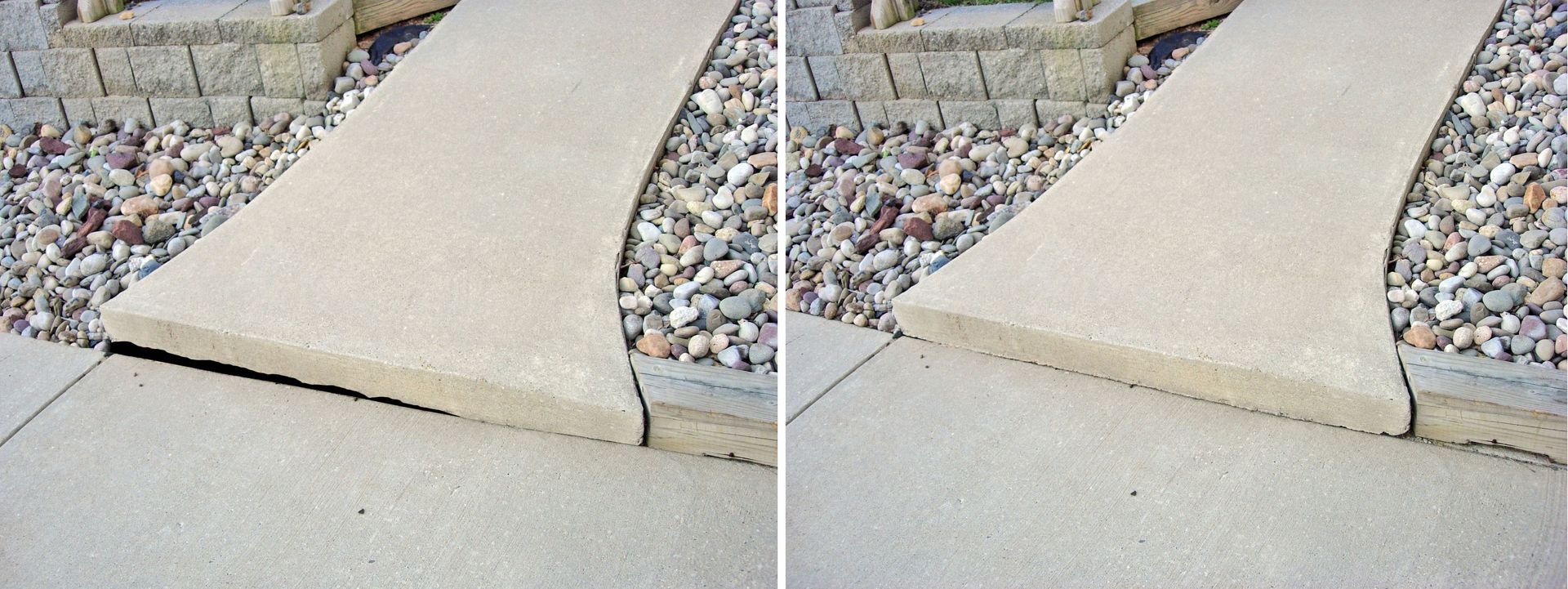
Following a successful mud jacking procedure, property owners will notice both visual and structural changes. Visually, the leveled concrete will appear smoother and more even, eliminating trip hazards. Structurally, the slab will be restored to its intended elevation, mitigating risks of further damage. These changes enhance the aesthetics and functionality of the property. While the repair is not immediately ready for heavy use, the visual improvement is typically apparent right away. This transformation underscores the effectiveness of mud jacking as a remediation technique.
2.4 Safety Precautions Following Mud Jacking
Safety precautions are crucial after completing the mud jacking process. It is essential to avoid placing heavy loads on the newly leveled surface until it is fully set. Unauthorized access to the area should be restricted with caution tape or barriers. Homeowners should be informed about the recommended waiting period, typically a day or two, before normal foot or vehicular traffic can resume. Adhering to these precautions minimizes the risk of damaging the newly repaired slab. Attention to safety guidelines ensures the success and durability of the mud jacking treatment.
2.5 Typical Recommendations from Professionals
Professionals in the field of mud jacking offer specific recommendations to maximize the results of the procedure. They often advise waiting about 24 to 48 hours before using the surface for foot traffic. For vehicle traffic, waiting up to a week may be recommended to ensure full load-bearing capacity is achieved. These timelines can vary based on the specifics of the project and environmental conditions. Following professional guidance ensures a successful recovery and reduces the possibility of further settlement.
3. Ideal Conditions for Walking Post-Mud Jacking
3.1 Influence of Temperature and Weather
Temperature and weather conditions significantly influence the outcome of a mud jacking project. High temperatures can accelerate the curing process, reducing wait times for safe walking. Conversely, cold and humid conditions may extend the curing period, necessitating longer waiting times. Contractors consider weather forecasts when scheduling and executing the procedure. By choosing ideal conditions, the mud jacking process yields stronger, more reliable results.
3.2 Role of Soil and Concrete Composition
The soil and concrete composition under a slab also impact how soon it can be walked on post-mud jacking. Different soil types, such as clay or sandy soil, react differently to the slurry mixture. Concrete composition, including its age and initial density, affects how well it interacts with the newly injected material. Adjustments to the slurry mixture can account for these factors, enhancing effectiveness. Accurate assessments ensure that the mud jacking results meet durability and safety standards.
3.3 Time Required for Full Load Bearing Capacity
The timeline for a surface to reach full load-bearing capacity after mud jacking varies with each project. Generally, it takes 24 to 48 hours for foot traffic and up to a week for vehicular use, assuming favorable conditions. The final load capacity reflects the successful integration of the slurry and the existing slab. Monitoring progress helps determine when the surface is ready for routine use. Achieving the proper strength is imperative for the long-term stability of the concrete.
3.4 Variability Between Different Projects
Each mud jacking project presents unique challenges, contributing to variability in results and timelines. Factors such as the degree of settlement, environmental conditions, and intended use influence the process. Professionals tailor their approach to address these unique conditions, employing customized mixtures and techniques. This adaptability ensures that every project meets the specific demands of the site. Consequently, timelines and outcomes differ between projects, emphasizing the importance of expert evaluation. Reach out to Raise Right Foundation & Slab today to see how we can help you!

Share On: