
Not All Cracks Are Equal: What Homeowners Should Watch For
Maintaining a stable home base ensures lasting safety for families living inside the residence. Property owners often ignore minor wall blemishes until serious structural damage becomes undeniable and dangerous. Ignoring these early warning signs inevitably leads to catastrophic property issues down the line. Seeking a qualified foundation repair service early prevents minor aesthetic flaws from becoming major hazards.
Every structure settles over time due to natural shifting within the earth below. However, telling the difference between normal settling and severe structural failure requires keen observation. Property owners must remain vigilant about sudden changes appearing along basement walls or exterior brickwork. When doubts arise about a specific fissure, consulting knowledgeable experts provides necessary peace of mind.
The Reality of Hairline Fissures
Hairline fractures emerge in newly constructed homes as building materials dry and shrink. These tiny web-like lines tend to pose no immediate threat to overall structural integrity. Paint and plaster mask these superficial blemishes during routine maintenance or redecorating efforts. Still, monitoring these thin gaps remains crucial since they could widen over time.
A sudden expansion of a previously stable hairline gap signals underlying soil movement. Water seeping into these tiny spaces weakens the surrounding concrete through continuous erosion. If dampness appears near these tiny splits, a professional foundation repair service should assess the situation. Addressing minor weaknesses right away saves homeowners from dealing with extensive excavations later.
The Danger of Stair Step Fractures
Stair step fractures along brick mortar lines indicate unequal settling beneath the house. This jagged pattern occurs when dirt supporting the footing washes away in an uneven manner. The masonry pulls apart as the ground sinks lower on a particular side of the property. Such distinct visual evidence requires immediate attention from structural repair specialists to halt further sinking.
Mortar joint separations wider than a coin edge signify downward pressure and shifting. These gaps invite destructive pests and excess moisture directly into the interior living spaces. Property owners noticing this jagged pattern should contact a dependable foundation repair service for guidance. Stabilizing the sinking section early stops the jagged damage from spreading upward into the roofline.
The Meaning of Horizontal Breaks
Horizontal breaks running parallel to the ground represent the most severe threat to structural stability. These lateral lines occur when saturated exterior soil exerts immense hydrostatic pressure against basement walls. The concrete bows inward as the heavy, wet dirt pushes against the subterranean structure. Eventually, without proper reinforcement, the entire wall may collapse inward under the continuous outward pressure.
Finding a horizontal gap means the structural integrity of the home is already compromised. Reinforcing the bowing concrete involves installing heavy-duty anchors or carbon fiber straps for stabilization. Any property displaying lateral bowing needs a professional foundation repair service to implement corrective measures. Delaying this crucial reinforcement guarantees catastrophic failure and massive repair costs for the homeowner.
The Impact of Vertical Splits
Vertical splits traveling straight up and down result from basic concrete shrinkage during curing. While less alarming than lateral bowing, wide vertical gaps still allow substantial groundwater penetration. Heavy rainstorms force standing water through these upright openings, flooding basements and ruining personal items. Properly sealing these upright channels keeps basements dry and prevents harmful mold from flourishing indoors.
Occasionally, a vertical gap paired with noticeable wall displacement indicates severe structural trouble. If the concrete on each side of the vertical line sits unevenly, foundational shifting is actively occurring. In these specific cases, utilizing a reputable foundation repair service becomes essential for lasting stabilization. Professional technicians possess the equipment required to realign and permanently secure the shifting concrete panels.
The Science of Slab Settlement
Concrete slabs poured directly over improperly compacted dirt eventually sink and crack under their own weight. Hollow voids form beneath the heavy surface as loose dirt compresses or washes away entirely. The unsupported concrete then snaps under the pressure of vehicles, heavy appliances, or basic foot traffic. Lifting these sunken sections requires polyurethane injection techniques performed by skilled structural contractors.
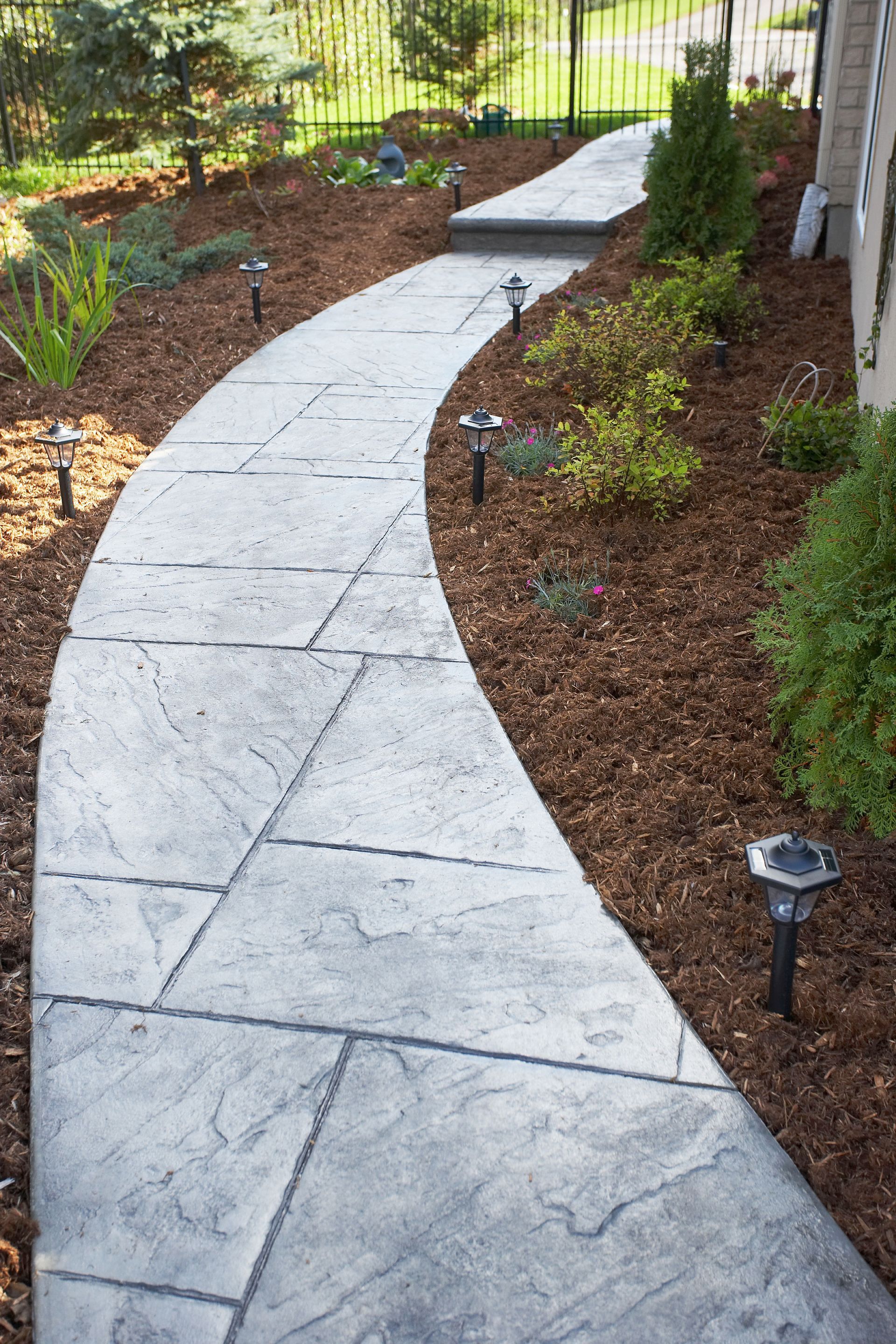
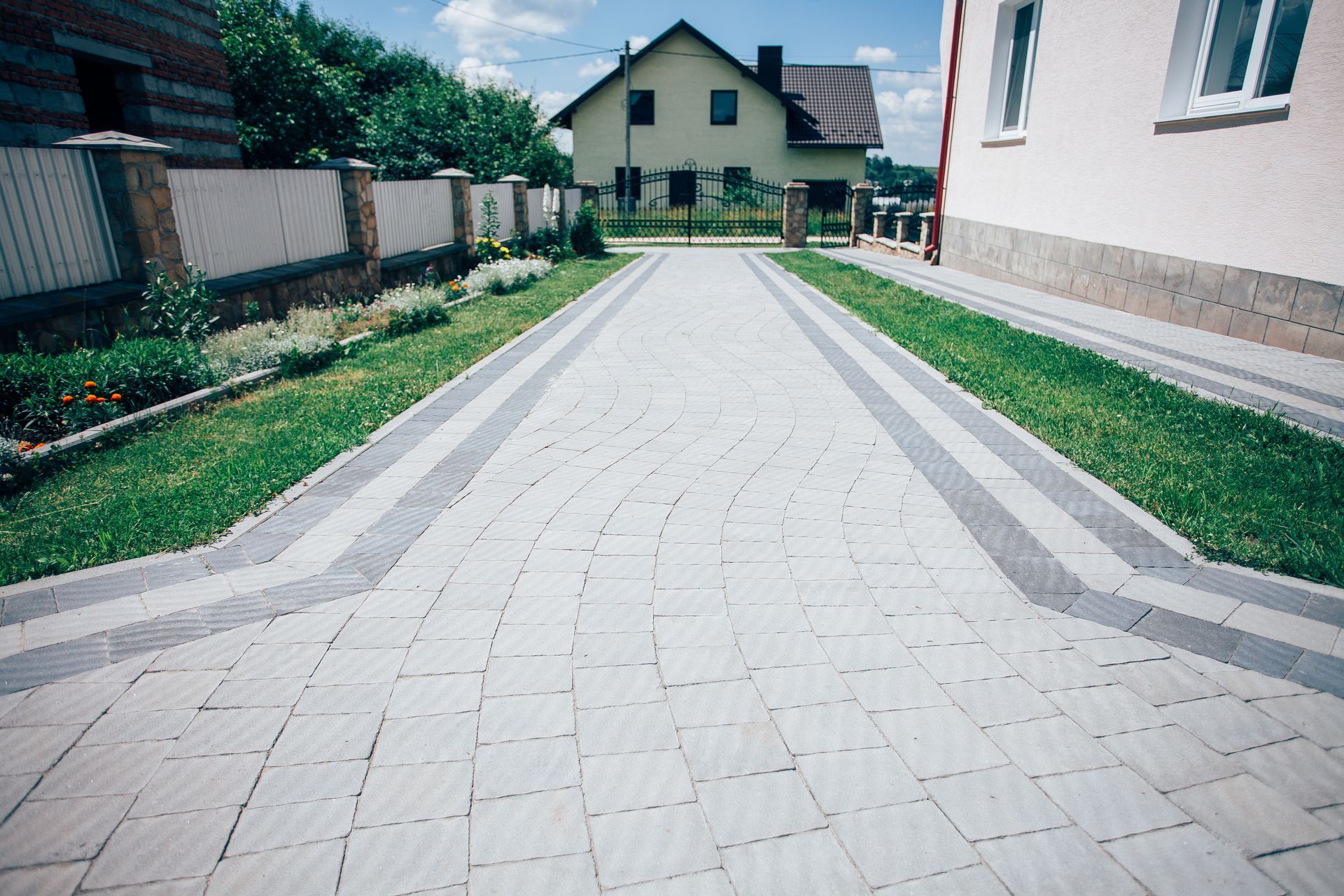
Uneven slabs create dangerous tripping hazards for residents and guests navigating the property. Driveways, patios, and walkways suffering from settlement drastically reduce the curb appeal of any residence. Fixing sunken concrete quickly prevents further deterioration and restores a smooth, safe walking surface. Property managers noticing uneven walkways should seek structural corrections before someone sustains a painful injury.
The Threat of Moisture Intrusion
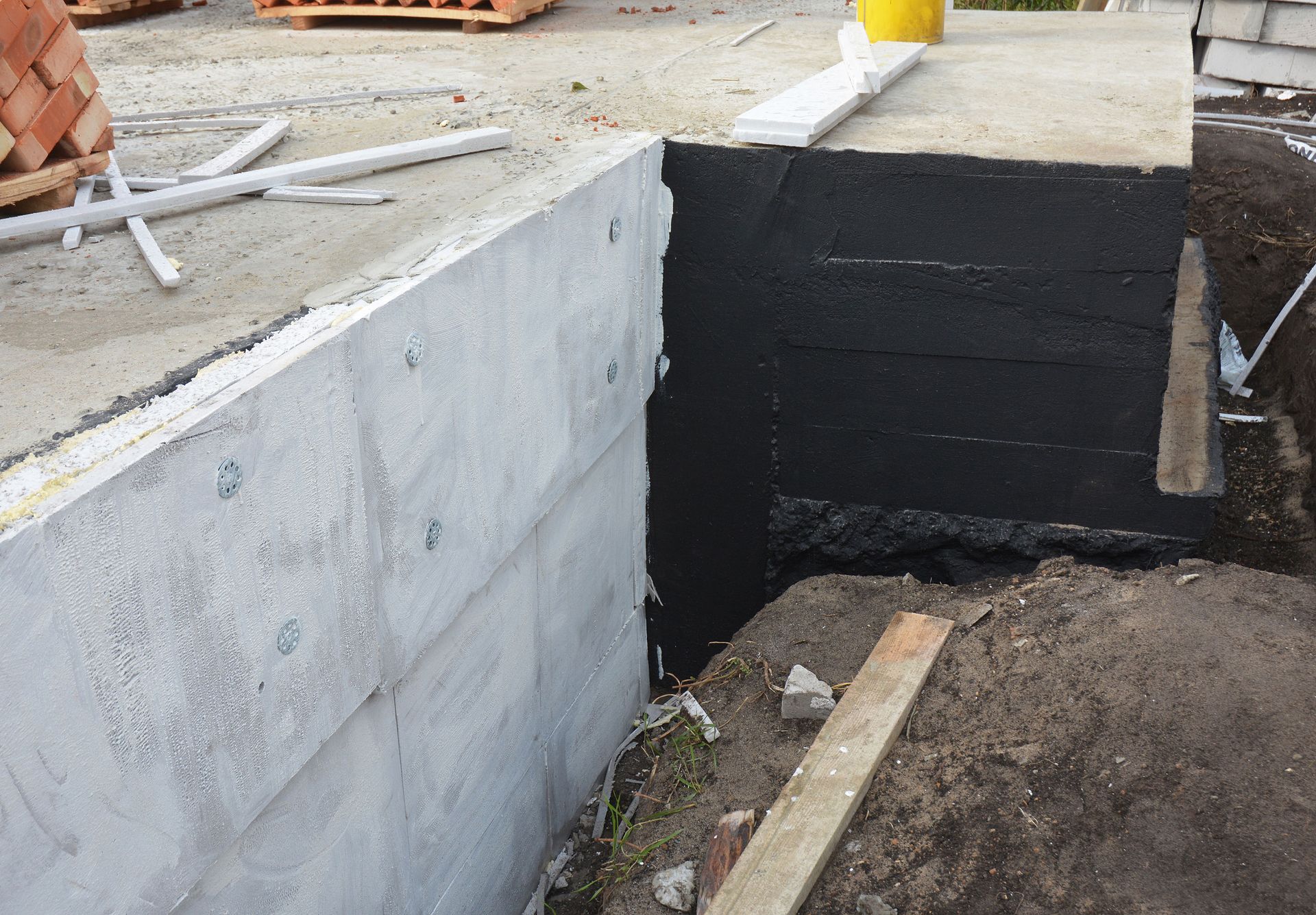
Poor drainage around the exterior perimeter stands as the main culprit behind structural deterioration. Missing gutters and improperly graded landscaping direct immense volumes of rainwater directly toward the home. The ground absorbs this excess moisture, expanding forcefully against the submerged concrete walls. Implementing effective exterior waterproofing strategies redirects this harmful runoff away from vulnerable areas.
Moisture seeping through compromised concrete creates a perfect environment for hazardous mold growth inside the basement. Prolonged dampness rots wooden support beams and corrodes metal fasteners holding the house together. Keeping the subterranean levels bone dry preserves the overall longevity of the entire property. Addressing drainage issues alongside structural repairs ensures the fixes remain permanent and effective.
The Role of Soil Composition
Expansive clay soils cause significant turmoil for structures built upon them due to endless shrinking and swelling. During rainy seasons, the clay absorbs water like a sponge and pushes upward against the house. Conversely, severe droughts cause the clay to shrink, removing necessary support from beneath the footing. This endless cycle of heaving and sinking tears rigid building materials apart over the years.
Sandy dirt poses different challenges since it washes away rapidly during heavy downpours. Erosion creates massive empty pockets beneath the footing, leaving the concrete suspended in midair. Understanding local dirt composition helps experts determine the best stabilization strategy for a specific property. Knowledgeable contractors tailor their stabilization methods to suit the unique geological conditions of the region.
The Influence of Temperature Shifts
Extreme weather fluctuations place immense stress on concrete surfaces exposed to the elements. According to Gitnux, thermal expansion cracks 31% of garage slabs. Scorching summer heat causes building materials to expand, while freezing winter temperatures force them to contract. This continuous stretching and pulling inevitably leads to surface fractures across exposed driveways and floors.
Protecting outdoor surfaces from extreme temperature variations requires proper installation of expansion joints. These intentional gaps give the concrete room to grow and shrink without breaking apart randomly. Maintaining these joints prevents random spiderweb fractures from spreading across the entire floor. Sealing existing gaps before winter arrives stops freezing ice from widening the damage further.
The Warning Signs of Structural Failure
Interior warning signs emerge before exterior fractures become visible to the naked eye. Doors sticking in their frames or failing to latch suggest the framing is twisting. Windows becoming difficult to open indicate the walls surrounding them lack proper alignment. These subtle indoor clues serve as early alarms for homeowners paying close attention to their surroundings.
Sloping floors and gaps appearing between the baseboards and walls also highlight significant settling issues. Drywall fractures radiating diagonally from the corners of door frames point directly to foundation movement. Any homeowner noticing these internal shifts must arrange an inspection with a foundation repair service to prevent disasters. Early detection of these red flags dramatically reduces the scope of necessary structural corrections.
The Process of Professional Evaluation
Thorough inspections begin with specialists examining the interior and exterior of the affected building. Technicians measure floor elevations to pinpoint exactly where the settling is most severe. They also assess surrounding drainage patterns to identify the root cause of the ongoing soil movement. This comprehensive data gathering allows experts to design a customized stabilization plan for the specific property.
Trustworthy contractors explain their findings clearly without resorting to aggressive sales tactics. They provide detailed estimates outlining the exact methods required to permanently stabilize the sinking structure. Choosing a reputable foundation repair service ensures the project utilizes high-quality materials and proven engineering practices. Property owners deserve transparent communication and reliable solutions when dealing with such critical home repairs.
Ignoring structural warning signs only leads to higher costs and unsafe living conditions. Protecting your most valuable asset requires partnering with dependable professionals who understand complex soil dynamics. Whenever alarming gaps appear along your walls, choosing an elite foundation repair service guarantees a safe, stable home. Contact Raise Right Foundation & Slab today to schedule a thorough evaluation and secure your peace of mind.

Share On: