
5 Causes of Foundation Damage Every Homeowner Should Know
Foundation damage can threaten a home's structural integrity, safety, and long-term value. Although some foundation movement is normal, certain conditions can cause cracks, uneven settling, and water intrusion. Understanding what contributes to foundation damage allows homeowners to recognize warning signs and take preventive action before minor concerns become costly repairs.
From soil erosion and plumbing leaks to poor construction and extreme weather, several factors can affect a home's foundation. Knowing what to watch for and when to seek professional assistance can help homeowners protect their properties and determine when a foundation repair service may be necessary.
1. Soil Erosion and Shifting Ground
Soil erosion is a common cause of foundation instability. When water runoff removes soil from around or beneath a home, the foundation can lose essential support. Heavy rainfall, inadequate drainage, and improperly positioned downspouts can accelerate erosion, creating voids beneath concrete slabs or weakening foundation walls.
Vegetation can also contribute to soil movement. Large trees and shrubs absorb moisture from the ground, potentially causing surrounding soil to shrink. As the soil contracts, the foundation may settle unevenly. Growing tree roots can also push against foundation walls or enter existing cracks. Maintaining appropriate distances between large trees and the home can help reduce these risks.
Natural ground movement and seismic activity create additional challenges. Earthquakes and minor tremors may shift soil beneath a structure, placing uneven pressure on the foundation. Properties built on expansive clay or unstable soil types may be particularly vulnerable. Homeowners should monitor for new cracks, uneven floors, and other signs of movement. A professional foundation repair service can help identify the underlying cause and recommend an appropriate solution.
2. Poor Construction and Site Preparation
Foundation problems sometimes begin before a home is completed. Inadequate planning, improper soil preparation, and insufficient reinforcement can create structural weaknesses that become more noticeable over time. When builders fail to account for soil composition, drainage conditions, or the structure's weight, the foundation may not have adequate support.
Substandard construction materials can also contribute to deterioration. Low-quality concrete, insufficient reinforcement, and improperly installed structural components may weaken the foundation. Additionally, failing to compact fill soil adequately can leave empty spaces beneath the structure, eventually causing settling and cracking.
Site selection is equally important. Building on expansive clay, poorly draining soil, or areas with inconsistent ground conditions can increase the likelihood of foundation movement. Warning signs include visible cracks, sloping floors, and doors or windows that suddenly become difficult to open or close.
According to HomeService USA, any foundation crack with water coming through it, any crack wider than 1/8 inch, any diagonal or horizontal crack, or any sign of structural movement requires professional repair rather than a DIY approach. Recognizing these warning signs early can help homeowners determine when a foundation repair service is needed.
3. Plumbing Leaks and Excess Moisture
Plumbing leaks can cause substantial foundation damage by introducing moisture into the surrounding soil. Leaking pipes beneath a home may saturate the ground, causing certain soil types to expand. In other situations, flowing water can wash soil away, creating voids and reducing support beneath the foundation.
Common sources include damaged water lines, faulty plumbing connections, leaking water heaters, and malfunctioning appliances. Persistent moisture can increase pressure against basement walls, contribute to concrete deterioration, and cause sections of a foundation to settle unevenly.
Homeowners should watch for signs of hidden plumbing problems, including unexpectedly high water bills, damp flooring, unexplained moisture, and musty odors. Professional leak detection equipment can help locate problems that are difficult to identify visually.
Addressing plumbing issues promptly is essential for protecting the foundation. Licensed plumbers can repair leaking pipes, while drainage improvements can prevent excess water from accumulating around the structure. If prolonged moisture exposure has already caused damage, a foundation repair service may be necessary to address resulting cracks or structural instability.
4. Extreme Weather and Temperature Changes
Weather conditions can place considerable stress on residential foundations. Seasonal temperature fluctuations cause building materials to expand and contract, potentially contributing to cracks. In colder climates, repeated freezing and thawing can also affect surrounding soil. When moisture in the ground freezes, it expands and may push against foundation walls or lift sections of the structure.
Drought conditions create different challenges. When soil loses moisture, it can shrink and pull away from the foundation. This reduces consistent support beneath the structure and may cause uneven settling. Homes built on expansive clay soils are particularly susceptible to these changes.
Excessive humidity and moisture can also affect foundation components. Persistent dampness may encourage mold growth, contribute to wood deterioration, and increase corrosion risks for embedded metal reinforcement. Proper ventilation, moisture barriers, and effective drainage can help limit these problems.
Homeowners should watch for weather-related warning signs, including new foundation cracks, bowing basement walls, uneven floors, and moisture entering below-grade spaces. When weather-related movement causes structural damage, a foundation repair service can evaluate the affected areas and recommend suitable repairs.
5. Poor Waterproofing and Drainage
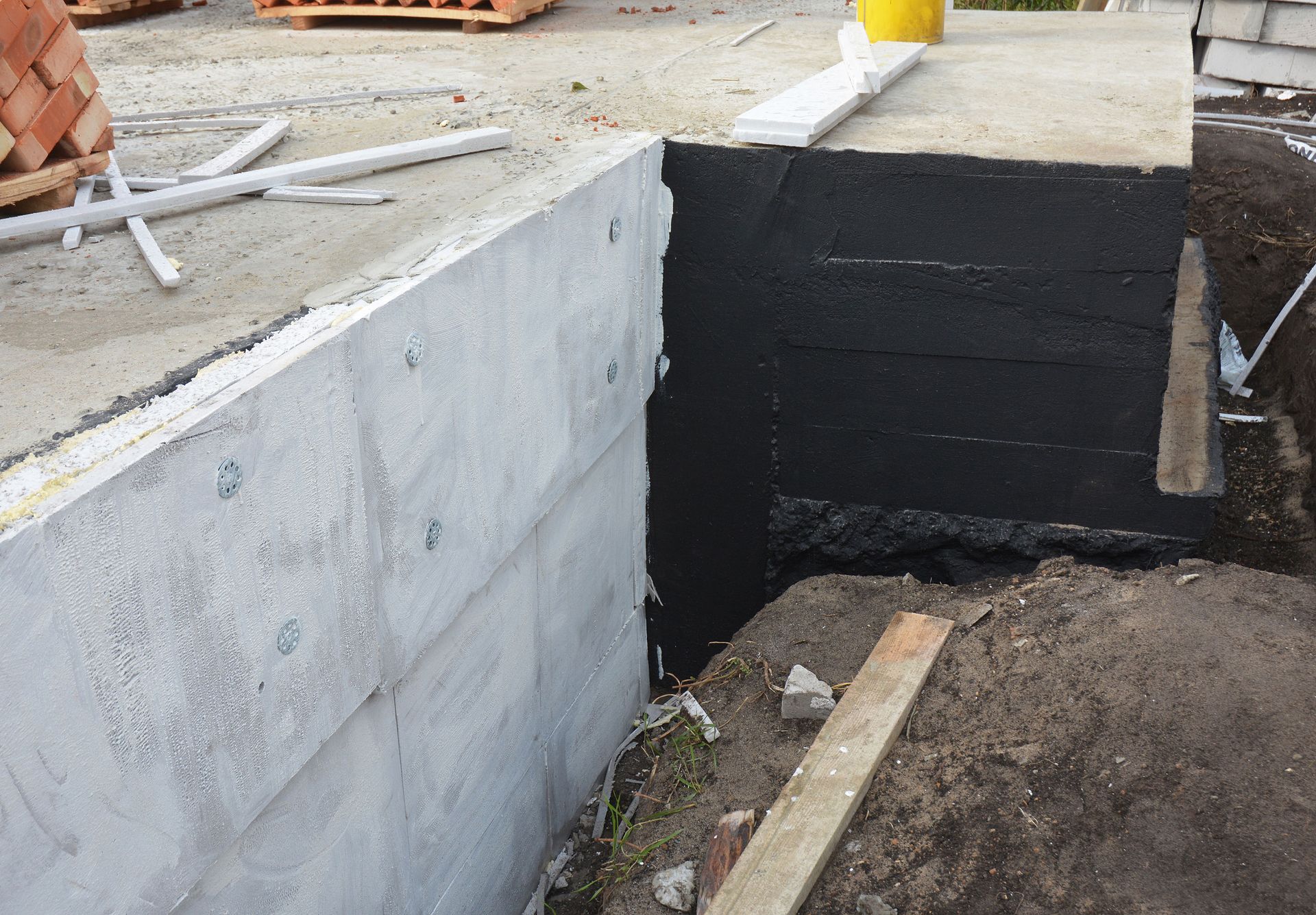
Inadequate waterproofing leaves foundations vulnerable to water intrusion. Rainfall, groundwater, and poor surface drainage can allow moisture to accumulate around foundation walls or enter basement spaces. Repeated exposure can contribute to cracks, deterioration, and pressure against structural components.
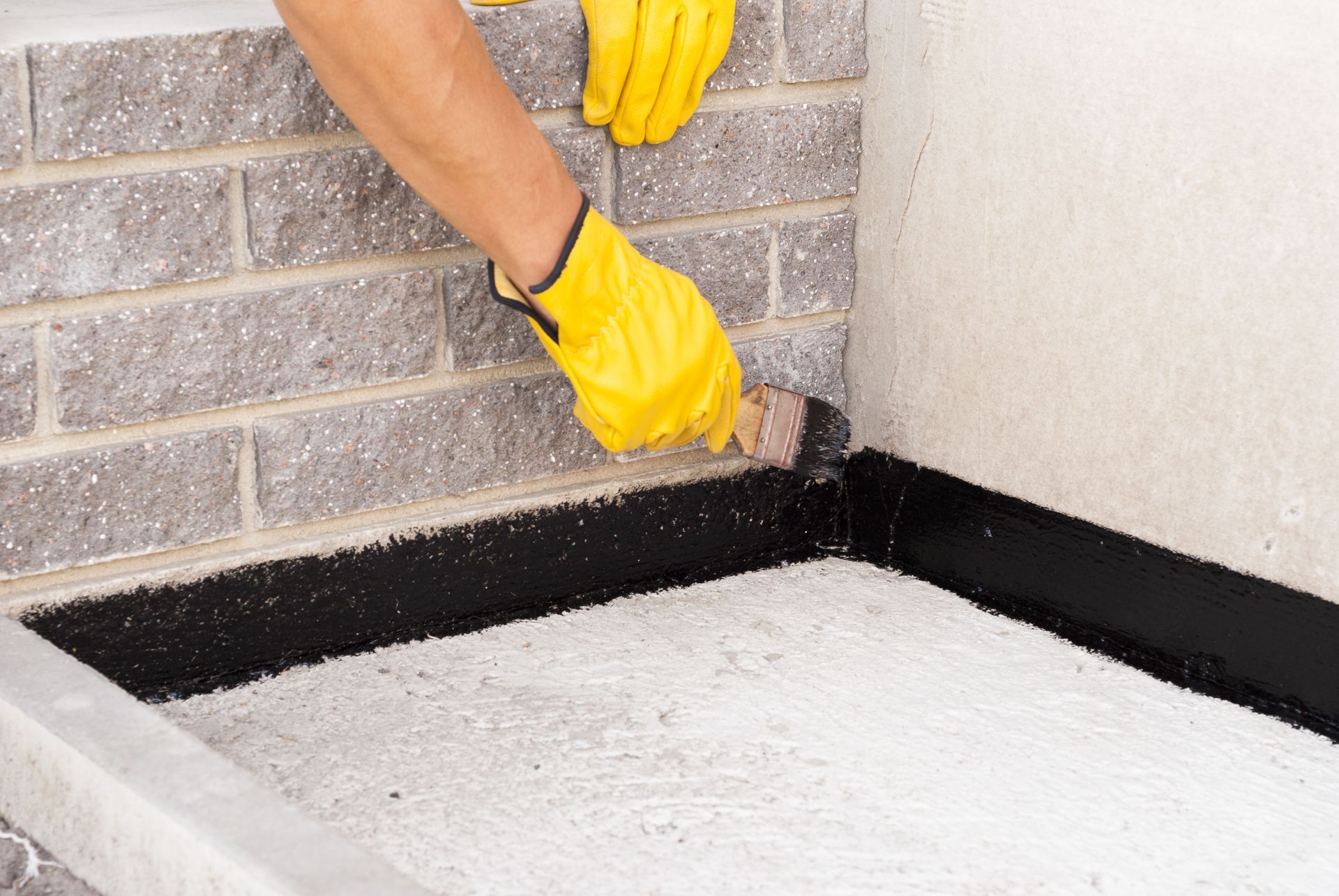
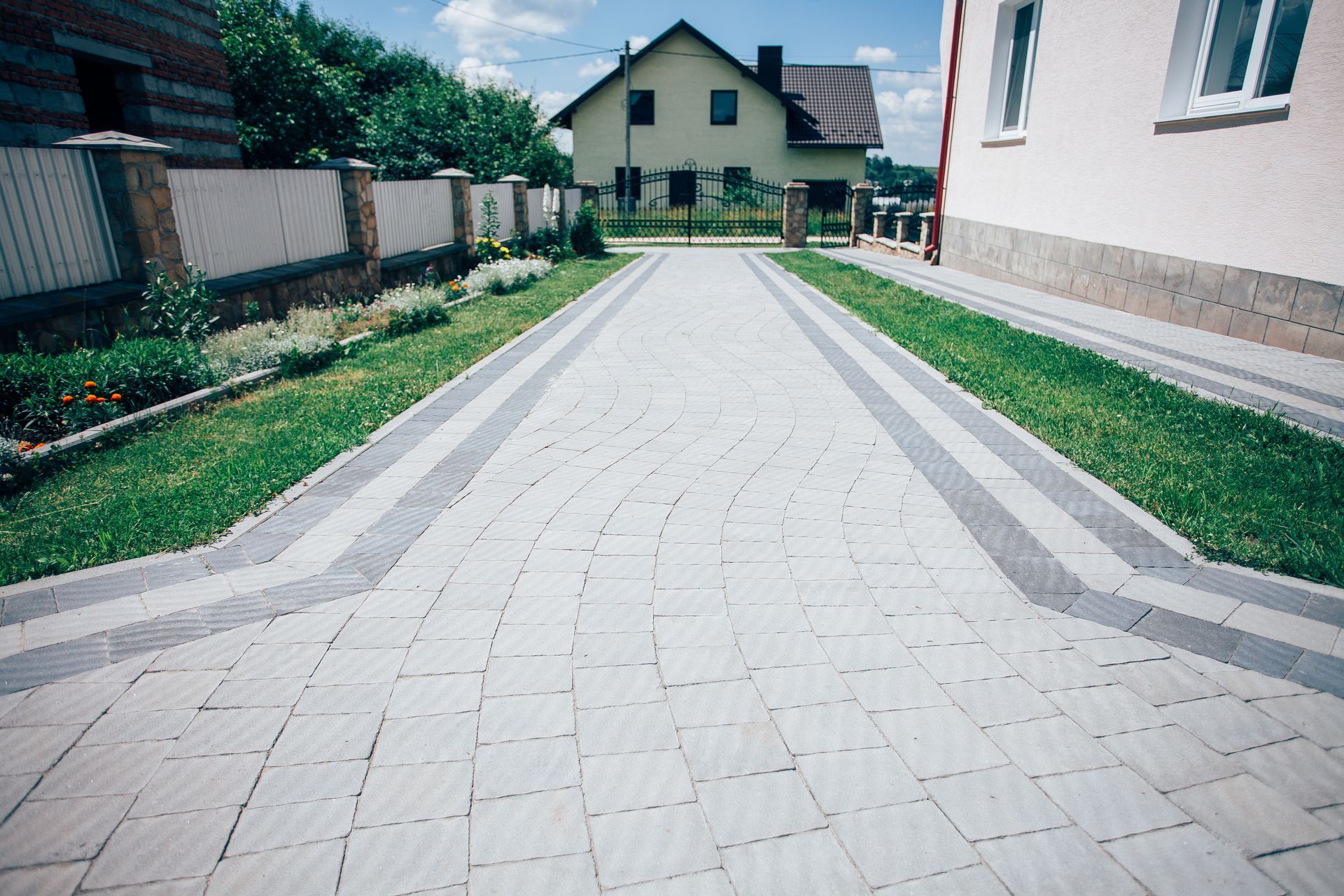
Common waterproofing mistakes include neglecting basement protection, installing moisture barriers incorrectly, and failing to address drainage problems. Improper grading is another frequent concern. When the ground slopes toward the home instead of away from it, rainwater can collect near the foundation.
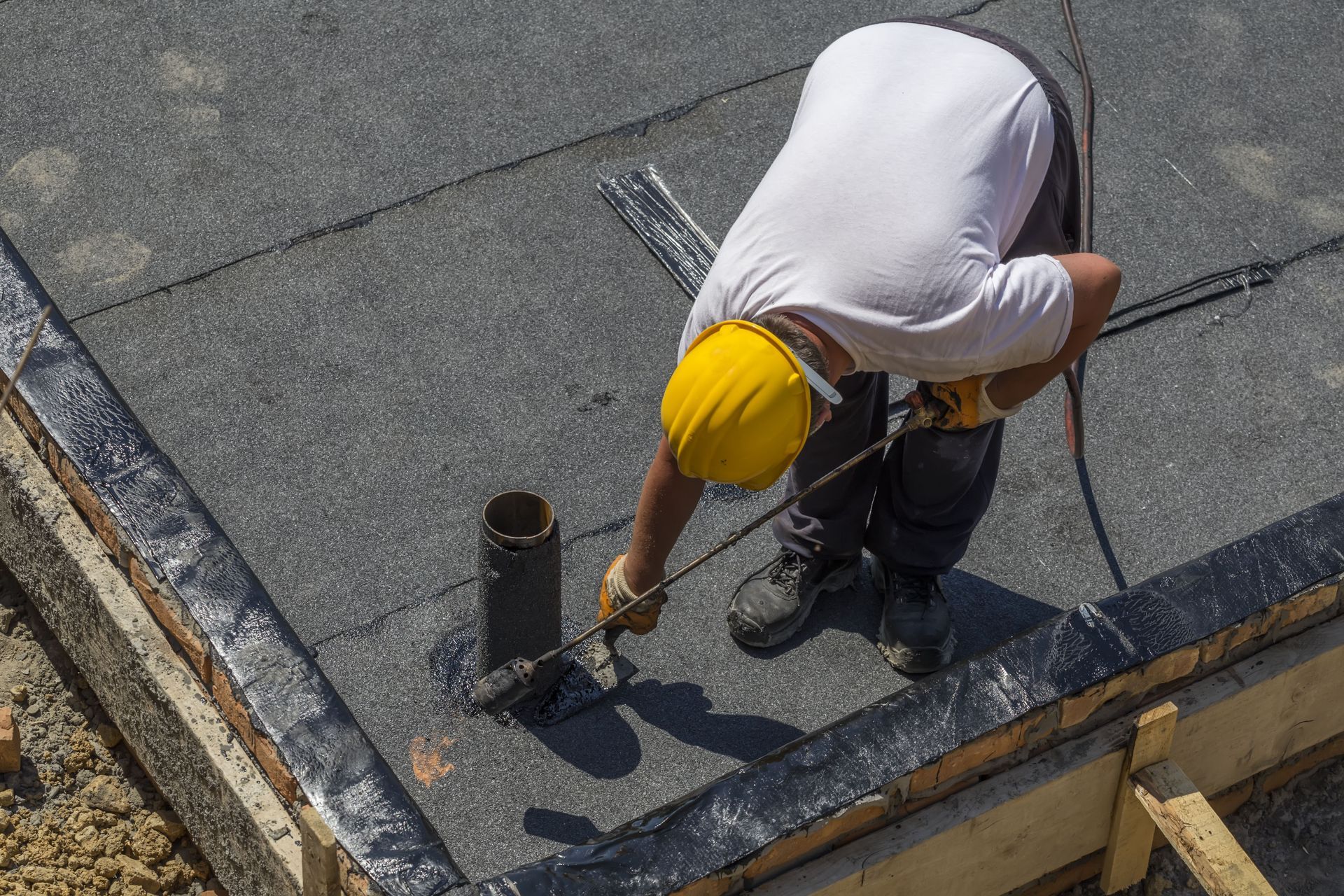
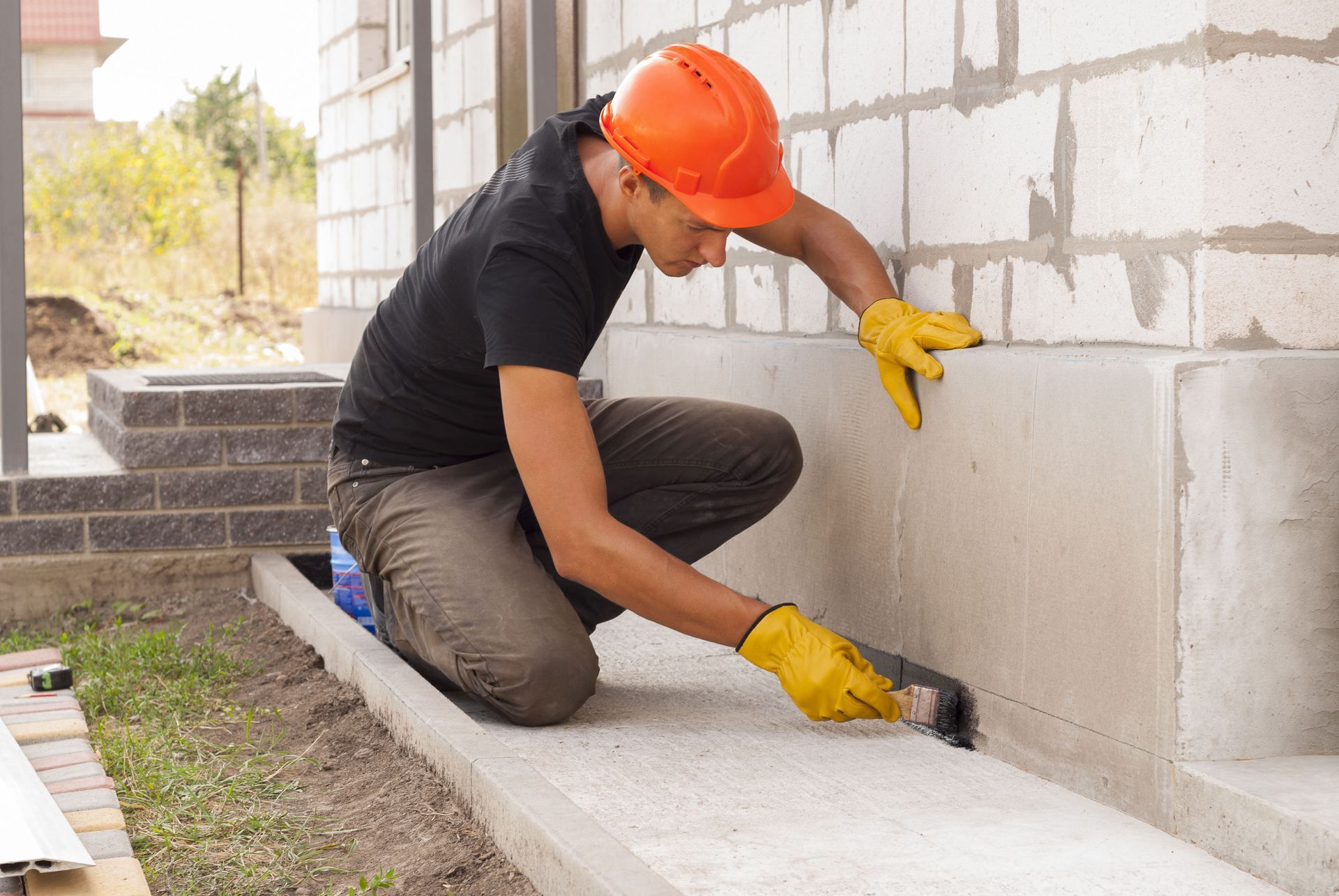
Several systems can help manage water around a property. Sump pumps collect groundwater and move it away from vulnerable areas, while French drains redirect excess water through underground channels. Exterior waterproofing membranes provide another layer of protection by limiting moisture penetration.
These systems require regular maintenance to remain effective. Homeowners should check sump pumps, maintain gutters and downspouts, and address drainage problems promptly. If water intrusion has already caused structural deterioration, a professional evaluation can determine whether waterproofing improvements and a foundation repair service are necessary.
6. Natural Settling and Structural Movement
Some foundation settling is expected as a home adjusts to the soil beneath it. During the first several years after construction, the structure's weight can gradually compact the supporting soil. Minor adjustments may produce small cosmetic cracks without indicating serious structural problems.
However, excessive or uneven settling deserves closer attention. When different sections of a home settle at different rates, the foundation experiences uneven stress. This can cause concrete cracks, gaps around windows and doors, sloping floors, and misaligned walls.
Monitoring changes over time can help homeowners recognize concerning movement. Photographing existing cracks, checking for changes in their width, and documenting new signs of misalignment can provide useful information during an inspection. Visible damage should not be dismissed simply because a home is older.
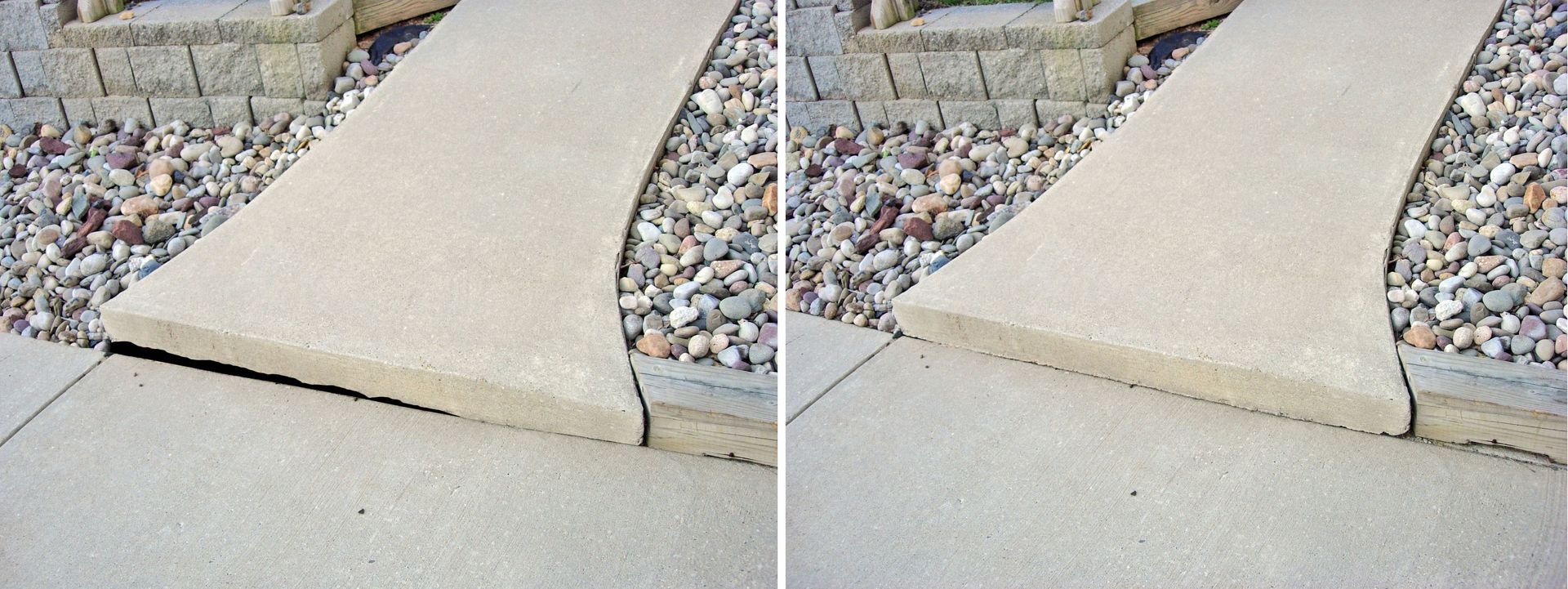
When excessive settling occurs, repair options may include underpinning, foundation piers, or slab lifting, depending on the underlying conditions. A professional assessment helps determine which approach is appropriate for the property's soil and foundation type. A foundation repair service can address the underlying cause rather than simply covering visible cracks, helping restore the structure's stability.
When foundation problems arise, working with an experienced contractor can help homeowners understand their options and address the underlying damage. Raise Right Foundation & Slab provides professional assistance for property owners dealing with foundation concerns. Contact the company to discuss your property's condition and explore available repair options with a foundation repair service.

Share On: