Understanding the Importance of Concrete Settlement With Mudjacking Companies
Concrete settlement is a common issue that affects various structures, leading to uneven surfaces and potential damage. One effective solution for addressing this problem is mudjacking, a method that lifts sunken concrete. Accurate measurement of concrete settlement depths is crucial in the mudjacking process to ensure successful and safe repairs. Continue reading to learn how mudjacking companies use this process and what it does.
Definition and Causes
Concrete settlement occurs when the ground beneath a concrete slab can no longer support its weight, causing the slab to sink or become uneven. Several factors contribute to this phenomenon, including soil erosion, poor compaction, water accumulation, and expansive soil. When soil shifts or erodes beneath a slab, it loses its ability to bear the load, resulting in settlement. This is a natural process, but it can be accelerated by environmental and human factors. Identifying the causes of settlement can help in choosing appropriate preventive and corrective measures.
Water is one of the most significant contributors to concrete settlement. Heavy rainfall, poor drainage, or broken pipes can lead to excess water in the soil, weakening its structure. As the soil becomes saturated, it loses its stability and compresses under the weight of the concrete, causing it to sink. In contrast, extreme dryness can also lead to settlement as soils shrink and create voids beneath the concrete. Proper water management is essential in preventing and mitigating settlement issues.
The type of soil beneath a concrete slab plays a critical role in its stability. Expansive soils, such as clay, are particularly problematic as they contract and expand with moisture changes. This continuous movement can undermine the slab's stability, causing it to settle unevenly. Conversely, non-expansive soils like gravel and sand provide better stability. Understanding soil conditions is vital for developers and homeowners when planning construction to minimize future settlement risks.
Impact on Structures
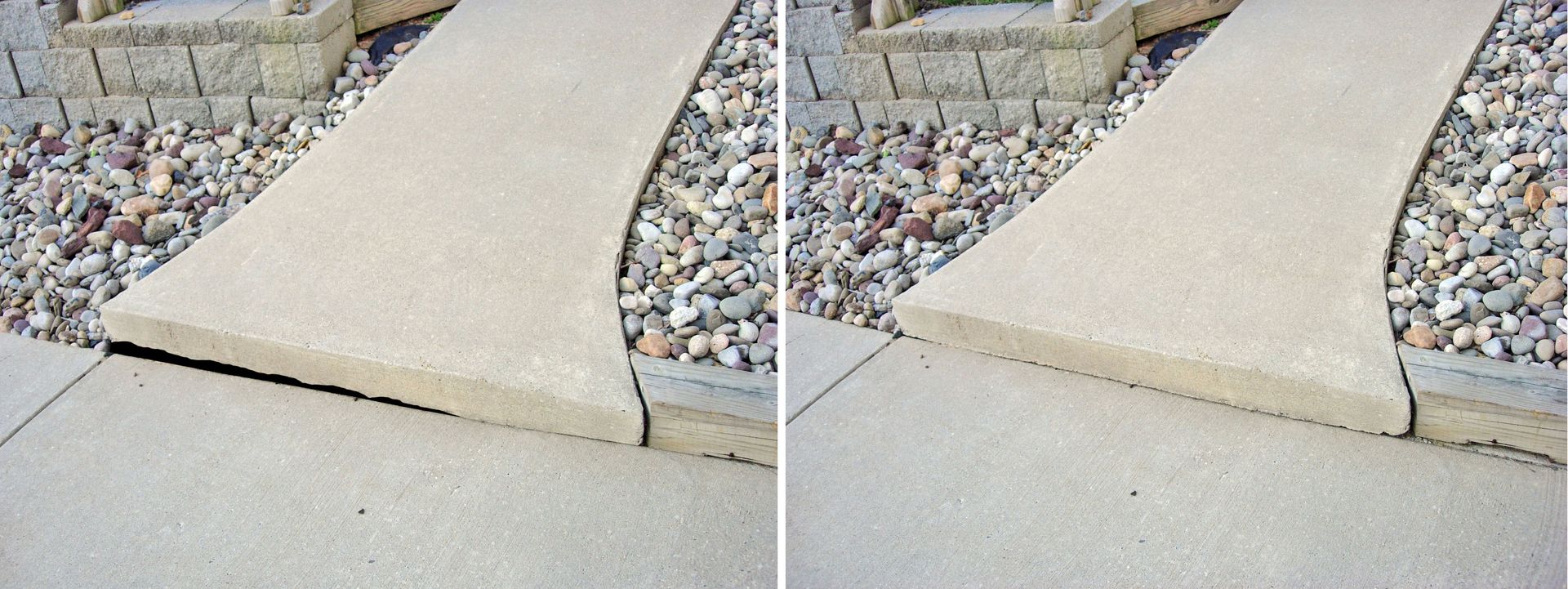
Settled concrete can have detrimental effects on structures, leading to issues like cracking, misalignments, and functional deficiencies. These problems are not just cosmetic; they can compromise the structural integrity and reduce the lifespan of the construction. For instance, a sunken driveway can lead to drainage problems and increased wear on vehicles. Structural issues may also increase maintenance costs over time. Therefore, addressing settlement issues promptly is crucial for maintaining the structural health and safety of buildings and other infrastructure.
Beyond immediate damages, concrete settlement can have cascading effects, especially in interconnected structures. For example, a settled foundation can affect the stability and alignment of walls, floors, and roofs. This can lead to door and window misalignments, cracks in walls, and uneven floors. Addressing the root cause of settlement is essential to prevent further structural issues. Regular inspections and maintenance help detect and rectify problems before they escalate into major repairs.
The economic impact of settlement issues can be significant. As structural damages worsen over time, repair costs increase, and property values may decline. Homeowners may face safety hazards and reduced functionality in affected areas. In commercial settings, structural issues can lead to downtime, affecting productivity and profitability. Proactive measures with mudjacking companies can help mitigate these risks, ensuring structures remain safe and functional for years.
Common Signs of Settlement
Identifying signs of concrete settlement early can save significant repair costs and maintain structural integrity. Common indicators include uneven or sloped surfaces, visible cracks in the concrete, and trapped water or poor drainage. These symptoms suggest the concrete is no longer level with the surrounding surfaces. Early detection allows for timely interventions such as mudjacking. Routine inspections can help catch these signs before they lead to structural complications.
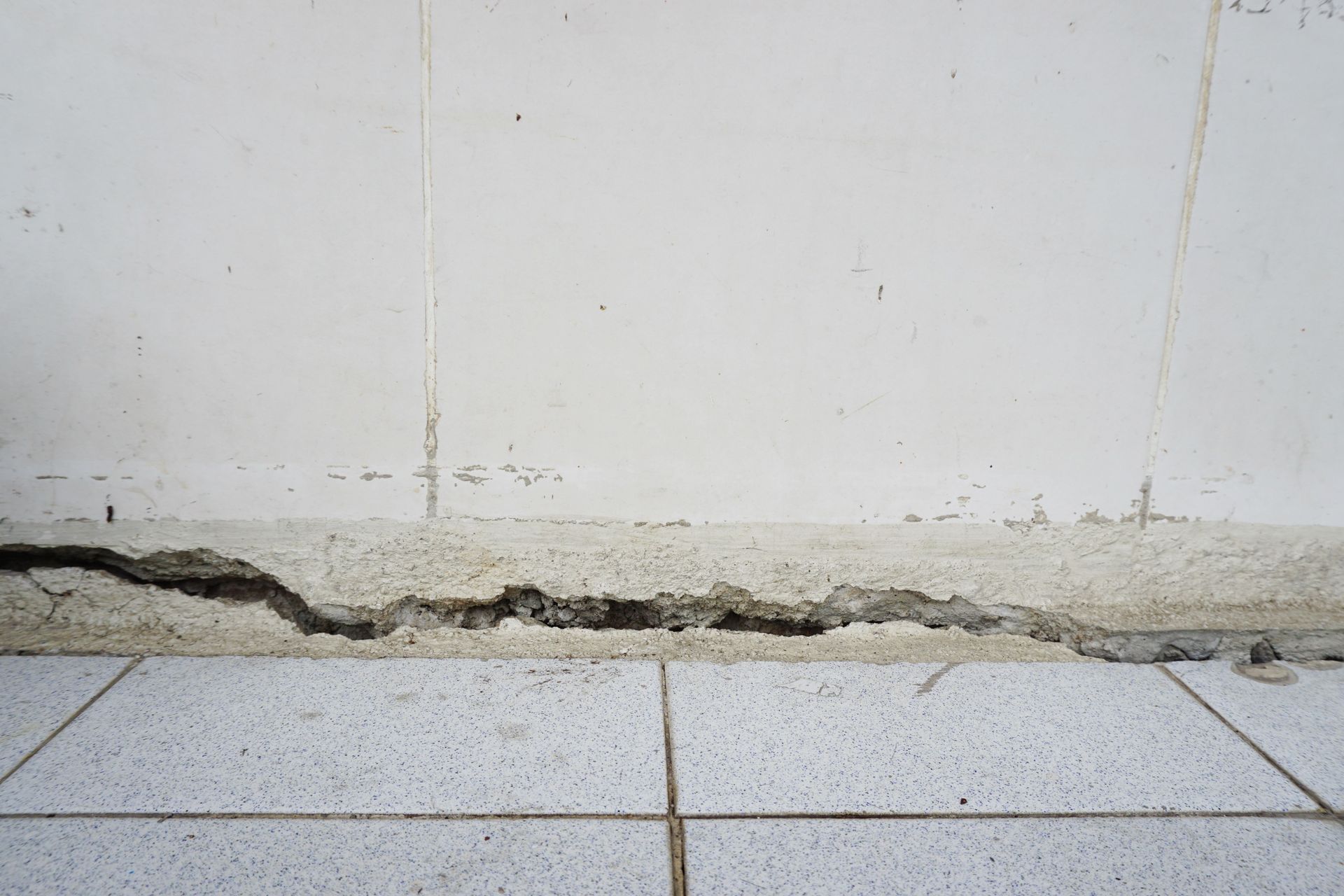
Other signs of settlement include misaligned doors and windows that become difficult to close properly. These misalignments occur because the supporting structures have shifted from their original positions. Cracks in walls, ceilings, or floors can also signal underlying settlement issues. Homeowners should pay attention to such symptoms as they indicate differential settling beneath the structure. Prompt professional assessment is recommended for accurate diagnosis and remediation.
In addition to visible signs, changes in the surroundings, such as unusual humidity levels or sounds, can indicate settlement. Water drainage patterns may change, causing pooling or erosion around the slab. New gaps between the structure and the ground can appear, allowing pests or additional water ingress. Homeowners should regularly inspect their properties to look for these warning signs. Early intervention with mudjacking companies can prevent larger issues from developing, keeping repair costs and structural damage to a minimum.
Differences Between Settlement and Heaving
While settlement and heaving may seem similar, they are opposite phenomena that require different approaches. Settlement is the downward movement of concrete due to soil instability, whereas heaving involves upward movement caused by soil expansion. Heaving is often influenced by factors such as ice formation and soil moisture increase during wetter months. Understanding these differences is crucial in determining the appropriate repair method. Professionals diagnose these issues by assessing symptoms and underlying soil conditions.
In some cases, both settlement and heaving might affect a single structure, leading to complex repair needs. This is particularly true in regions with significant seasonal temperature and moisture variations. Mudjacking is typically used for addressing settlement, whereas other methods like waterproofing or changing soil composition may resolve heaving. By accurately diagnosing the root causes of the respective movements, experts can apply strategies that prevent further structural damage.
Misdiagnosing settlement and heaving can lead to ineffective repairs and persistent structural issues. For example, raising a slab affected by heaving without addressing the root cause will not prevent future issues. Similarly, without treating the causes of settlement, raised surfaces might eventually sink again. It's essential to employ suitable techniques in each scenario to achieve long-lasting solutions. Consulting experienced mudjacking companies ensures the correct identification of the issue and effective corrective strategies.
Why Accurate Measurements Matter
Accurate measurement of settlement depths is critical to ensure that appropriate corrective actions, like mudjacking, are effectively implemented. Uneven lifting or misalignment during repairs can result if measurements are inaccurate, failing to restore structural integrity. Proper measurements guide decisions on repair methods, volume of materials required, and potential challenges in the process. Documentation of these measurements assists in tracking structural performance over time.
According to HomeGuide, contractors perform mudjacking by drilling holes and injecting a high-pressure slurry beneath sunken concrete to fill empty voids, restoring the slab to its proper position and making it usable within 24 hours. This process requires precise measurements to ensure the slurry is injected uniformly, providing a consistent lift. Errors in measuring the settlement depth can result in an uneven lift or inadequate support. Ensuring that technicians have the necessary skills and tools for accurate measurements contributes significantly to successful project outcomes.
Accurate measurements by mudjacking companies provide a baseline for ongoing monitoring of settled areas, aiding in the planning of maintenance activities. Such measurements allow stakeholders to quantify the extent of the issue and determine the best course of action. Regularly updated data assist in forecasting potential risks and integrating preventive measures into maintenance schedules. For property owners, these insights allow for informed decision-making regarding investments in repair projects.
Addressing concrete settlement promptly prevents severe structural damage and costly repairs. Precise measurement of settlement depth ensures uniform slurry injection, restoring sunken slabs safely within hours. By identifying underlying soil issues and hiring experienced mudjacking companies, property owners can secure long-lasting stability, maintain property value, and safeguard their infrastructure. Call Raise Right Foundation & Slab today for more information.

Share On: