
6 Common Problems Foundation Waterproofing Can Help Prevent
Water is one of the most persistent threats your home will ever face. It seeps through tiny gaps in concrete, pools beneath crawl spaces, and slowly weakens the structure that holds everything else up. Many homeowners don't notice the damage until a musty smell fills the basement or a crack starts creeping across the wall. By then, the repair bill is often far larger than it needed to be.
The good news is that most moisture-related trouble is preventable. Foundation waterproofing creates a barrier and a drainage plan that work together to keep water where it belongs: outside and away from your home. Whether you live in an older house with a damp crawl space or a newer build with a finished basement, understanding what water can do helps you act before small issues become major ones. Below, we'll walk through six common problems that proper protection can help you avoid.
1. Mold and Mildew Growth
Mold thrives in dark, damp places, which makes basements and crawl spaces ideal breeding grounds. Once water finds its way inside, it doesn't take long for trouble to start. According to Today's Homeowner, untreated water damage can lead to mold spore growth in as few as 24 hours. That means a single heavy rainstorm can set the stage for an infestation before you even realize anything is wrong.
Mold isn't just unsightly. It can trigger allergies, aggravate asthma, and spread to drywall, insulation, and stored belongings. Removing it often requires specialized equipment and protective gear, and it tends to return if the moisture source isn't addressed.
Foundation waterproofing tackles the root cause rather than the symptoms. By sealing concrete surfaces and installing drainage that moves water away from your home, you eliminate the conditions mold needs to grow. A professional can also identify hidden entry points you might miss, ensuring the problem doesn't quietly return a few months later.
2. Widening Foundation Cracks
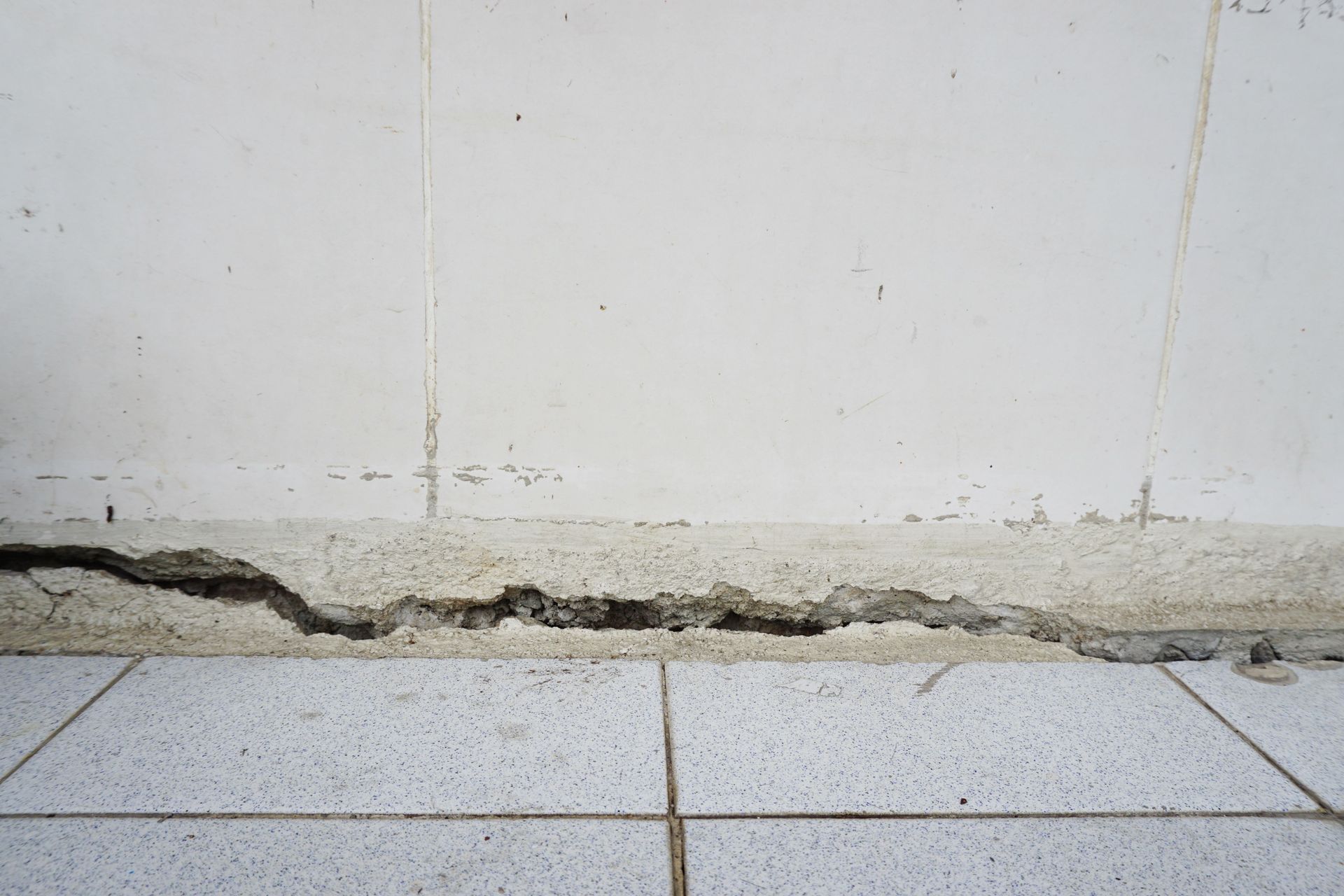
Even small hairline cracks deserve attention. Concrete naturally shifts and settles over time, but water accelerates the process. When moisture seeps into a crack, it can erode the surrounding material, and during colder months, freezing water expands and pushes the gap even wider. What began as a thin line can grow into a structural concern.
Left alone, widening cracks let in more water, which causes more cracking. It's a cycle that tends to speed up rather than slow down.
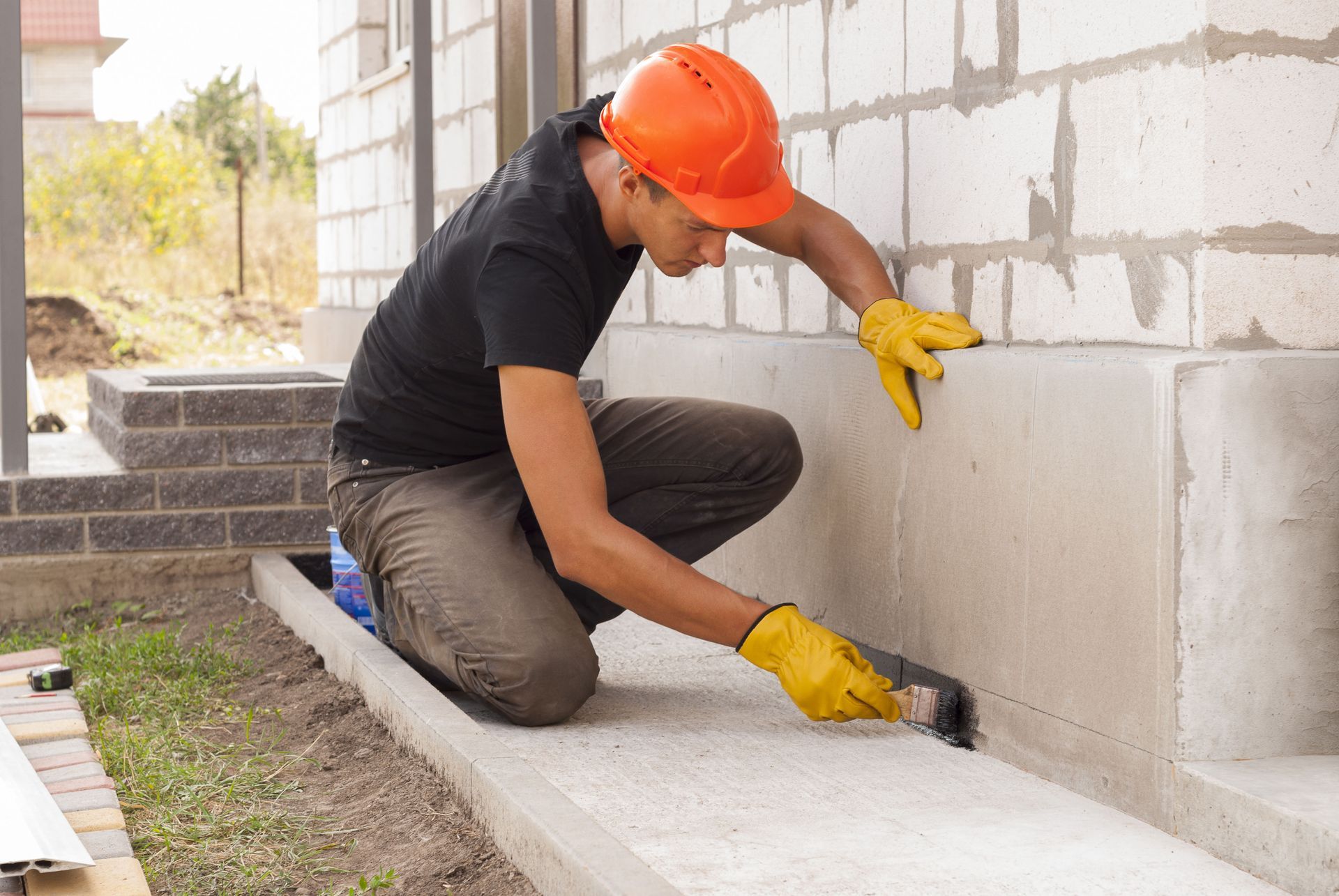
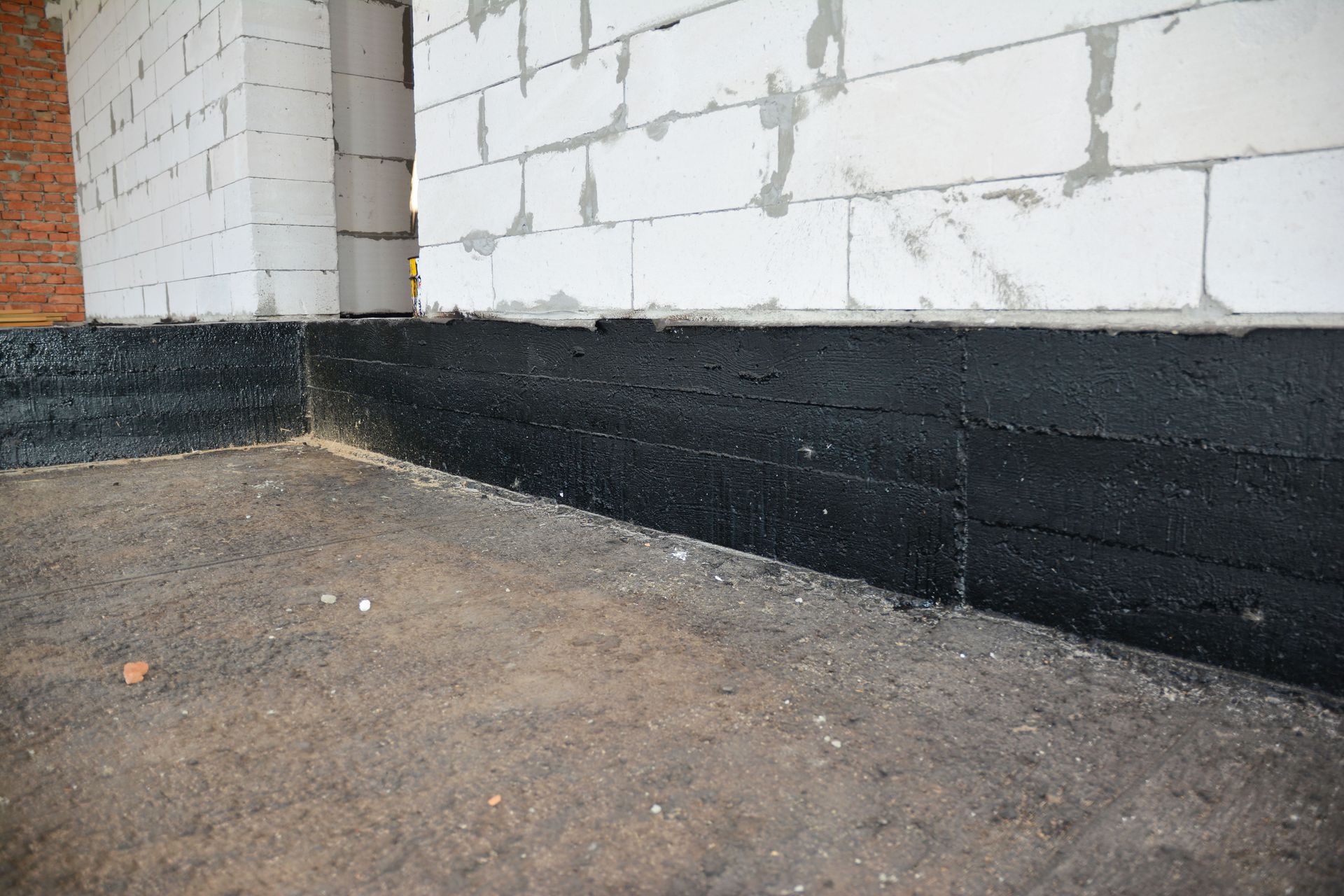
One effective solution is injecting polyurethane into cracks. The material fills the void, adds stability, and blocks water from traveling through. Afterward, the entire surface can be waterproofed for an added layer of defense. Because the right repair depends on the size, location, and cause of the crack, this is a job best left to experienced professionals. They can tell the difference between cosmetic settling and a sign of deeper trouble, and they have the tools to complete foundation waterproofing correctly the first time.
3. Basement Flooding and Standing Water
Few things are as stressful as walking downstairs to find water covering your basement floor. Flooding can ruin flooring, furniture, appliances, and keepsakes in a matter of hours. Even minor standing water creates a constant source of humidity and can damage your foundation over time.
Heavy rain, melting snow, and poor yard drainage all contribute to basement flooding. When the soil around your home becomes saturated, water pressure builds against the foundation walls and floor, forcing moisture through any weak point it can find.
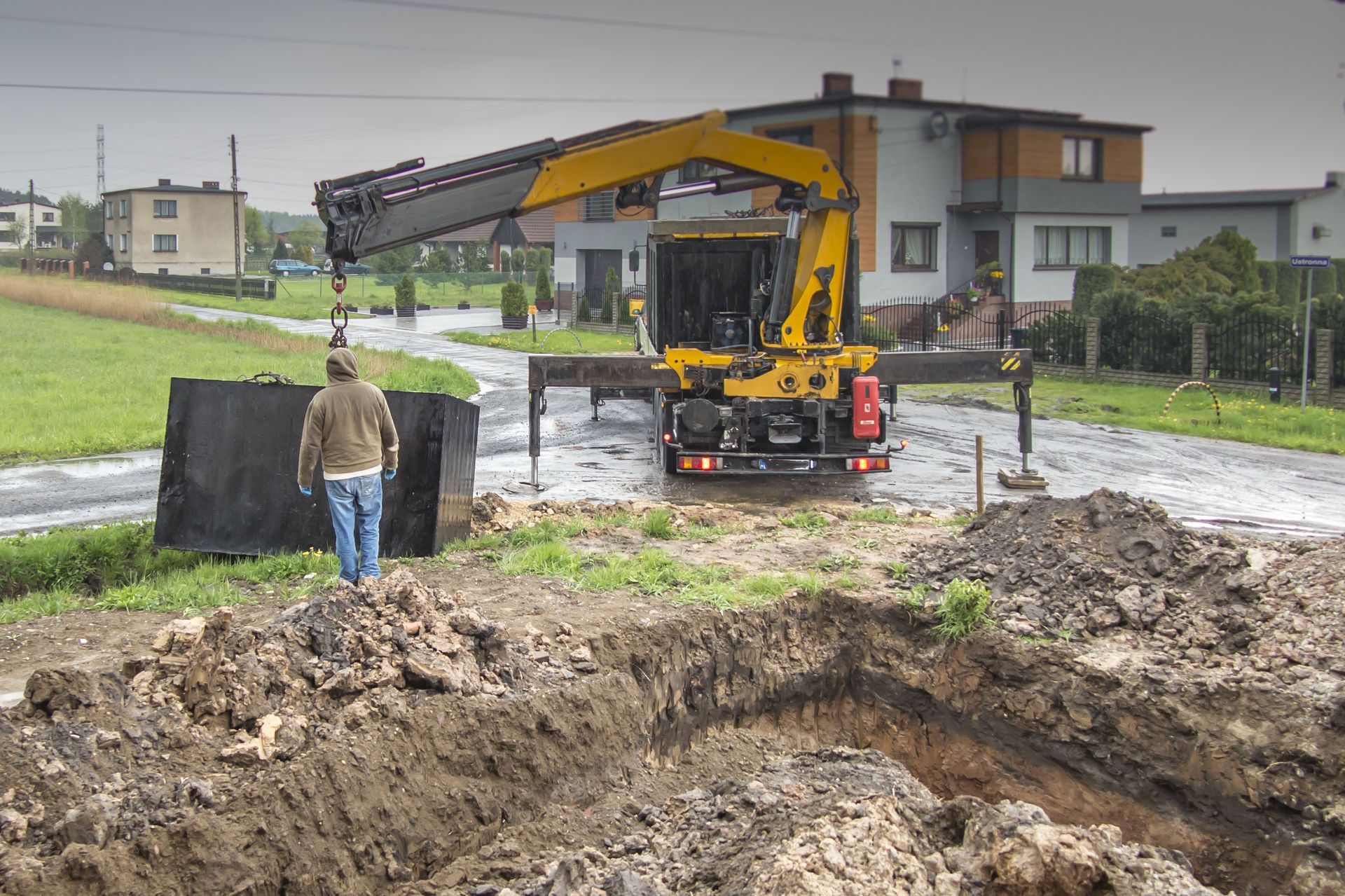
Foundation waterproofing often includes drainage systems designed to manage that water before it becomes a problem. Sump pumps collect water and pump it out and away from the home. French drains redirect groundwater through a gravel-filled trench, while baseboard drains capture water that seeps in along the base of basement walls. Choosing and positioning these systems correctly takes expertise, so a professional evaluation is the best way to determine which combination fits your property.
4. Musty Crawl Space Odors
If you've noticed an earthy, stale smell drifting through your home, your crawl space could be the culprit. Crawl spaces are often exposed to bare soil and outside air, which allows moisture to collect beneath your floors. That dampness produces musty odors that can travel upward into your living areas.
Air fresheners and open windows only mask the issue. The odor will keep coming back as long as moisture remains under the house.
Crawl space encapsulation is one of the most effective ways to solve this problem. The process typically involves installing a French drain and sump pump to remove water, then laying plastic sheeting over the ground and wrapping the walls to seal out moisture and odors. In more extreme cases, a dehumidifier may be added for extra control. Because crawl spaces are tight, difficult areas to work in, professional installation helps ensure every seam is sealed and the system performs as intended. Paired with foundation waterproofing, encapsulation keeps the space beneath your home clean and dry.
5. Excess Indoor Humidity
Moisture beneath your home doesn't stay put. Damp air from a basement or crawl space naturally rises into your living spaces, raising indoor humidity levels throughout the house. You might notice condensation on windows, a sticky feeling in the air, or a heating and cooling system that seems to work harder than usual.
High humidity can warp wood floors, cause paint to peel, and create an uncomfortable environment for your family. It can also invite pests like termites and dust mites, which are drawn to damp conditions.
Foundation waterproofing helps control humidity at its source. Sealing surfaces, directing water away with proper drainage, and encapsulating crawl spaces all reduce the amount of moisture that can enter your home in the first place. In homes with persistent dampness, a dehumidifier can provide additional support. A professional can assess your home's specific moisture levels and recommend a solution that keeps indoor air comfortable year-round.
6. Rotting Wood Supports
Many homes rely on wooden beams, joists, and support boards beneath the floor. These components are strong, but they're not built to withstand constant exposure to moisture. Over time, damp conditions cause wood to soften, rot, split, or break, which can compromise the stability of your entire floor system.
Warning signs include sagging or bouncy floors, doors that stick, and gaps forming between walls and ceilings. By the time these symptoms appear, the damage beneath your home may already be significant.
Keeping wood supports dry is the best way to protect them. Foundation waterproofing measures like French drains, sump pumps, and crawl space encapsulation reduce the moisture that wood is exposed to day after day. If rot has already set in, a professional can assess the damage and determine the right next steps before the problem spreads. Attempting this kind of work on your own can be risky, so it's important to rely on experienced specialists who understand how these systems work together.
Water may seem harmless at first, but it can quietly cause serious problems throughout your home. From mold growth and widening cracks to flooding, odors, humidity, and rotting wood, the effects of unchecked moisture add up quickly. Fortunately, each of these issues can be minimized or avoided entirely with the right approach.
Foundation waterproofing is one of the smartest investments you can make in your home's long-term health. Because every property is different, working with experienced professionals ensures your solution is tailored to your needs and installed correctly. A thorough evaluation can uncover hidden vulnerabilities and help you choose the systems that will keep your home dry for years to come.
Ready to protect your home from water damage? At Raise Right Foundation & Slab, we offer crack injections, surface waterproofing, sump pumps, French drains, baseboard drains, and crawl space encapsulation to keep moisture where it belongs. Contact us today to schedule your evaluation, and let us help you build a drier, healthier future for your home.

Share On: