
Foundation Problems Are Not Just for Old Homes
Foundation problems are frequently associated with aging properties that have endured decades of wear and tear. Modern construction, however, is far from immune to structural settling, shifting, and unexpected ground movements. Homeowners often assume that a newly built structure guarantees freedom from structural failures. Understanding why these issues arise in newer builds equips property owners with the insight needed to detect warning signs early and preserve their investment.
With reports of structural movement in recent builds becoming more frequent, learning about underlying soil dynamics and construction variables is vital. Early awareness empowers homeowners to take proactive steps rather than waiting for severe structural distress to appear. By examining the primary causes, structural indicators, and practical remedies, property owners can protect their living spaces and maintain property value across decades.
Understand the Basics of Home Foundations
A solid base supports the weight of an entire building, distributing loads evenly across underlying ground to prevent dangerous shifts. Monolithic concrete slabs, deep crawl spaces, and full basements each interact differently with soil conditions, regional weather, and moisture exposure. Understanding how these structural bases function helps homeowners recognize why stability depends on ground preparation and engineering accuracy from day one.
Structural design principles focus on distributing weight, managing groundwater, and isolating living spaces from natural ground movement. Quality construction materials like reinforced concrete, stone, and steel work together to maintain balance under varying structural loads. When engineering plans fail to account for site-specific conditions, even strong materials can experience stress that leads to shifting or cracking.
Soil characteristics serve as the foundational bedrock for any residential build, directly impacting long-term stability and structural performance. Clay-heavy soils swell and shrink dramatically with moisture changes, whereas loose sand allows settling if compaction is skipped. According to Modernize Home Services, a properly constructed structural base can endure 80 to 100 years when paired with optimal soil conditions and consistent maintenance.
Identify Causes of New Home Settling
Inadequate soil compaction during initial site preparation remains a leading cause of early structural displacement. When heavy machinery fails to compact backfill soil properly, the uncompressed ground compresses beneath the weight of the new house. Over time, this uneven downward movement creates structural stress, forcing walls to crack and floors to lose level balance.
Poor drainage planning around fresh construction causes water to collect near concrete footing walls, increasing surrounding hydrostatic pressure. Excess groundwater pushes against concrete surfaces, weakening structural integrity and causing localized cracking. When water stands near the base without proper runoff channels, the surrounding soil softens, accelerating unwanted settling and triggering the need for foundation repairs.
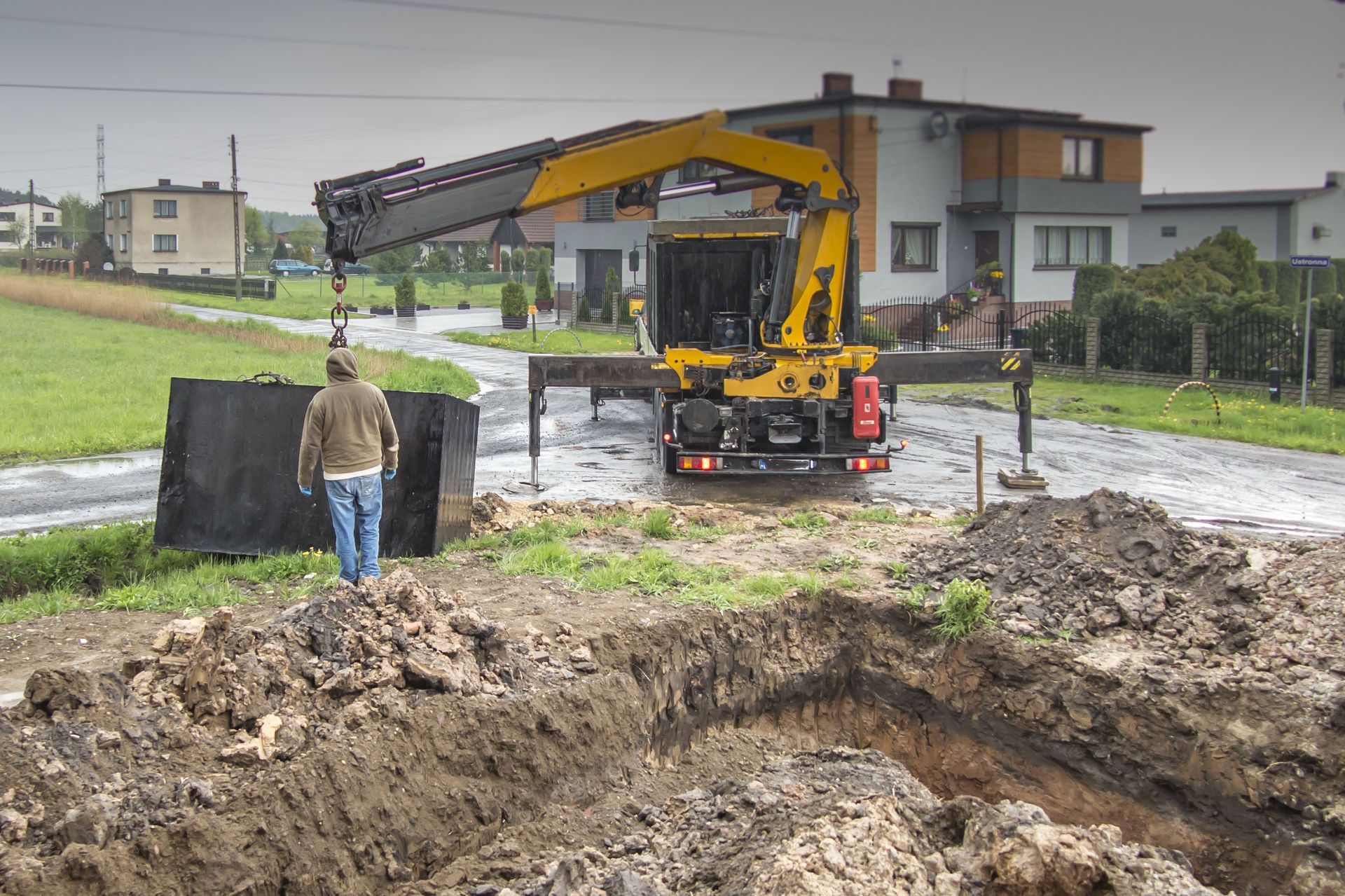
Defective materials and hurried construction workmanship can compromise even well-designed building projects. Utilizing low-grade concrete or misplacing essential steel reinforcement reduces load capacity and speeds up structural degradation. Nearby excavation work and heavy equipment vibrations from surrounding projects can also disturb earth surrounding a new build, creating unexpected ground shifts.
Recognize Early Signs of Structural Shifts
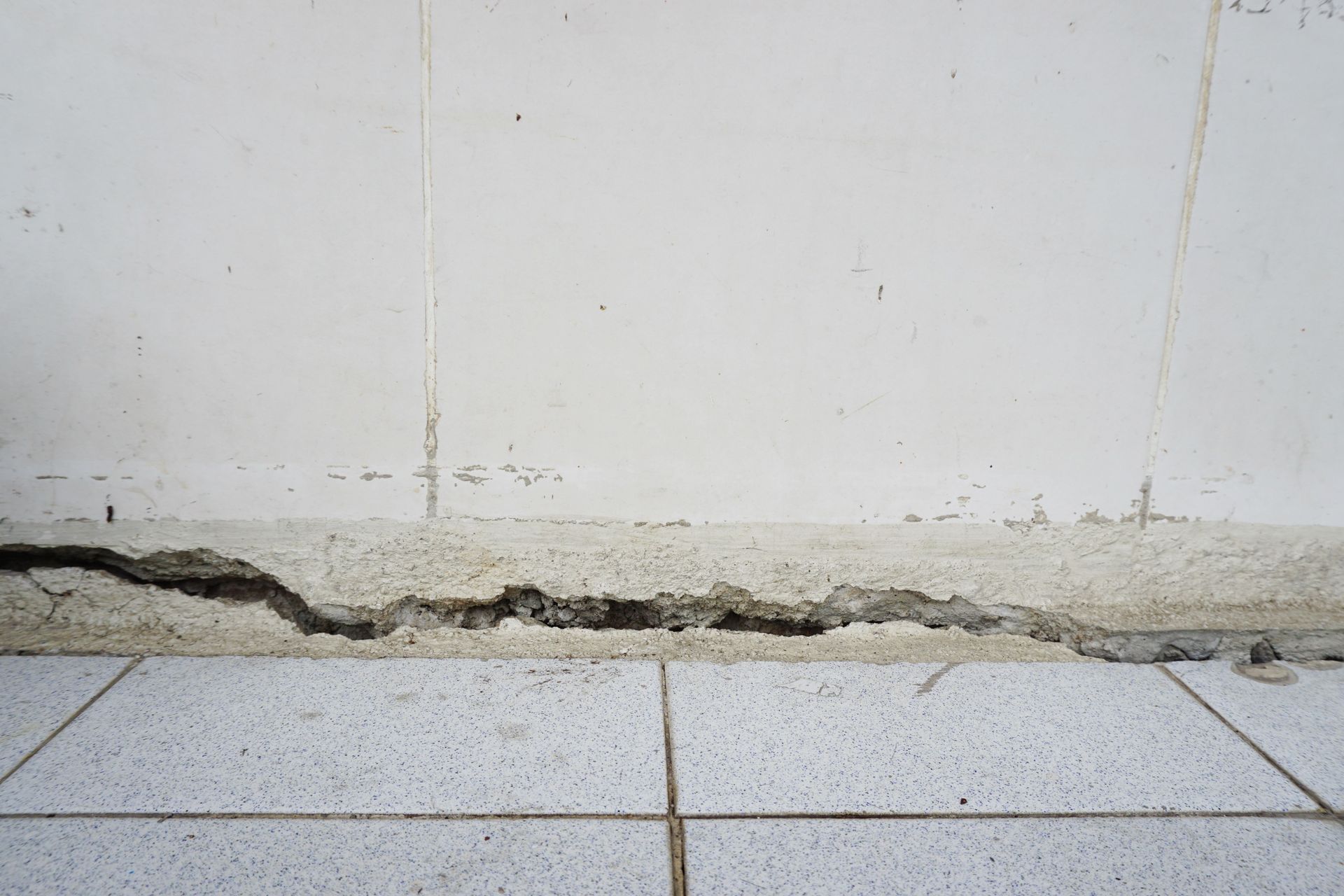
Cracks appearing along drywall or exterior walls serve as primary indicators of structural movement underneath a building. While hairline cosmetic cracks can occur during standard settling, wider horizontal or diagonal fractures suggest serious ground shifts. Monitoring crack growth patterns helps property owners determine when professional structural evaluations and timely foundation repairs become necessary.
Misaligned door frames and sticky windows indicate that a building's frame is warping due to uneven floor support. As portions of the underlying concrete drop or shift, rectangular door openings distort into irregular shapes, making doors bind or latch improperly. Addressing frame misalignments quickly prevents further structural degradation and protects interior finishings from costly secondary damage.
Sloping floors, interior trim separation, and basement water leaks provide obvious evidence of ongoing structural distress. Rolling a small object across a room reveals floor slopes, while water pooling in crawl spaces signals sub-surface seepage through fresh cracks. Recognizing these early warning indicators allows property owners to schedule necessary foundation repairs before minor ground shifts evolve into major structural failures.
Explore Effective Options for Structural Damage
Professional contractors rely on targeted structural methods to restore stability and lift sunken concrete back to level positions. Heavy-steel piering involves driving steel shafts deep into stable soil layers beneath unstable surface ground, providing reliable support for sagging structures. Underpinning extends existing footing depths, allowing engineered supports to carry heavier loads without risking future settling or shifting.
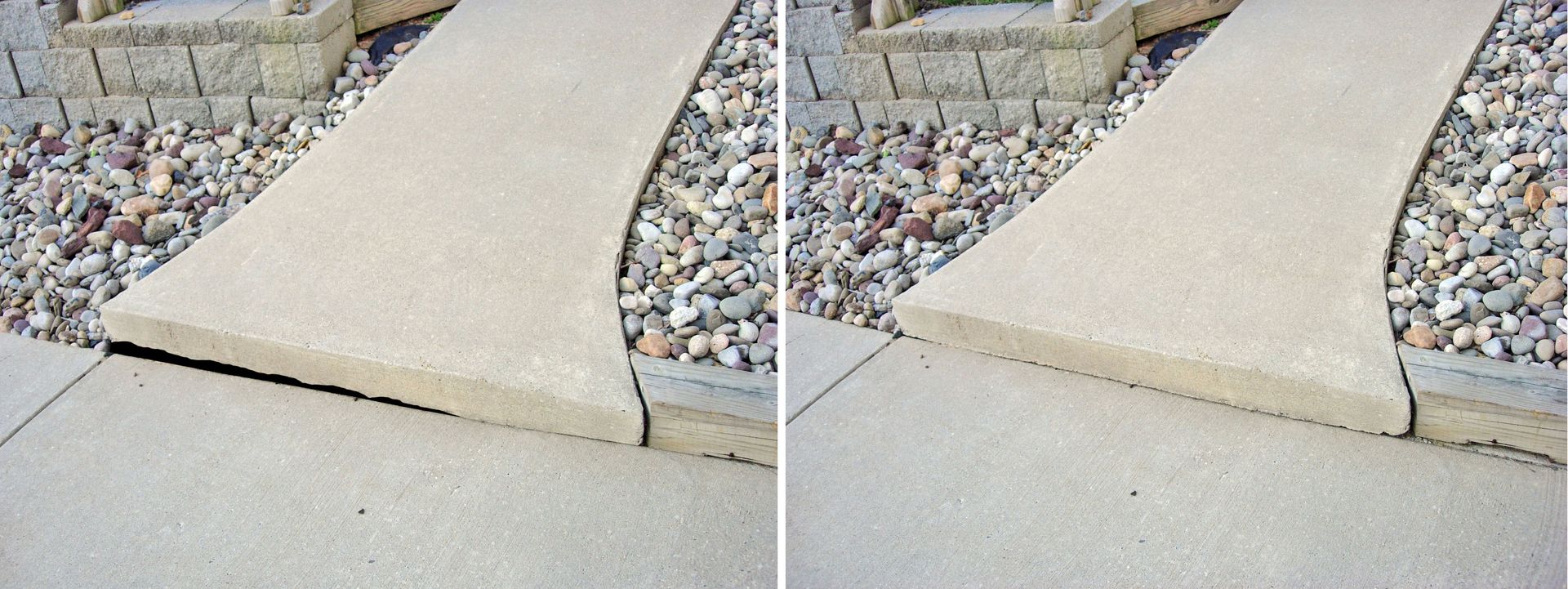
Slab jacking offers an efficient strategy for restoring sunken concrete surfaces back to original elevations. Specialized crews pump durable mixtures beneath concrete slabs to fill empty voids and gently raise settled floor sections. This non-invasive process addresses uneven floors effectively, serving as one of the most common foundation repairs for restoring flat concrete surfaces without full replacement.
Correcting subsurface water flow through perimeter drains, French drain systems, and chemical soil stabilization protects structures from ongoing ground movement. Managing surrounding moisture levels reduces hydrostatic pressure and stops expansive soil from expanding or contracting underneath footings. Selecting suitable foundation repairs ensures long-term home stabilization and protects structural components against future ground shifts.
Implement Preventive Measures for Home Longevity
Comprehensive site assessments prior to construction help engineers identify soil weaknesses and plan appropriate footing designs. Geotechnical evaluations analyze soil composition, water tables, and potential erosion risks before concrete is poured. Proper planning upfront prevents unexpected structural failures and reduces the need for expensive foundation repairs after construction concludes.
Routine property maintenance helps property owners protect their living spaces from water damage and structural settling. Inspecting roof gutters, clearing downspouts, and ensuring soil grades direct water away from footings prevents water accumulation. Catching minor drainage issues early keeps surrounding soil moisture levels consistent and minimizes ground expansion around structural bases.
Smart landscaping design plays a vital role in keeping structural bases stable throughout changing seasons. Planting large trees far from building perimeters prevents hungry root systems from drawing moisture out of surrounding clay soil. Installing continuous ground monitoring devices offers real-time tracking of subtle structural shifts, allowing homeowners to complete minor foundation repairs before major damage occurs.
Debunk Common Myths About Home Damage
Many property owners mistakenly believe that structural problems only affect historical or decades-old houses. Modern builds face identical risks when soil preparation is rushed, drainage is ignored, or concrete curing is executed poorly. Recognizing that fresh construction remains vulnerable ensures that new homeowners stay watchful and pursue necessary foundation repairs whenever early warning signs emerge.
Another persistent myth suggests that every small hairline crack indicates impending structural collapse. In reality, minor hairline cracks often result from normal concrete curing rather than serious structural failure. Distinguishing between normal settling cracks and active structural shifts helps homeowners avoid unnecessary panic while knowing when professional evaluation is appropriate.
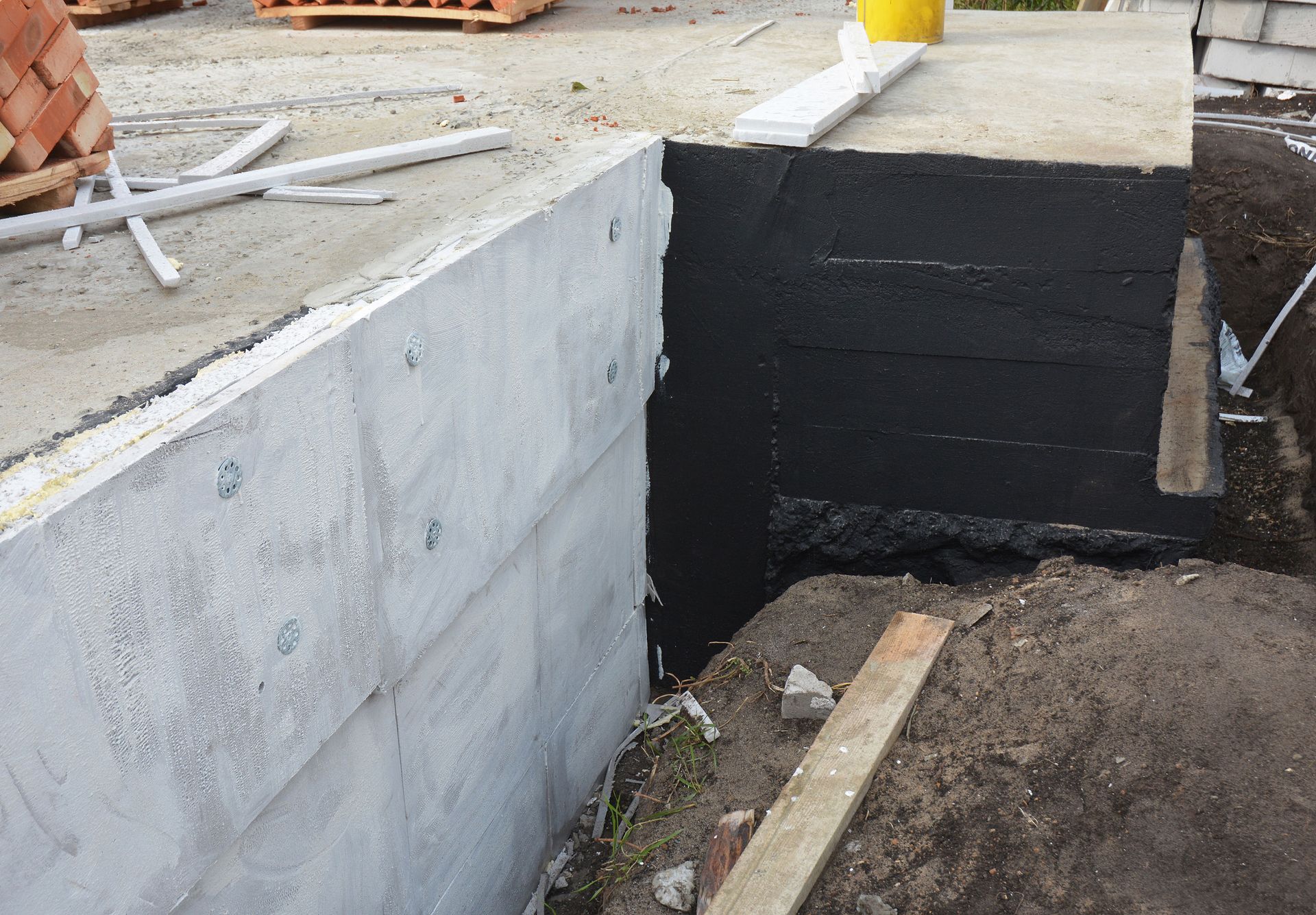
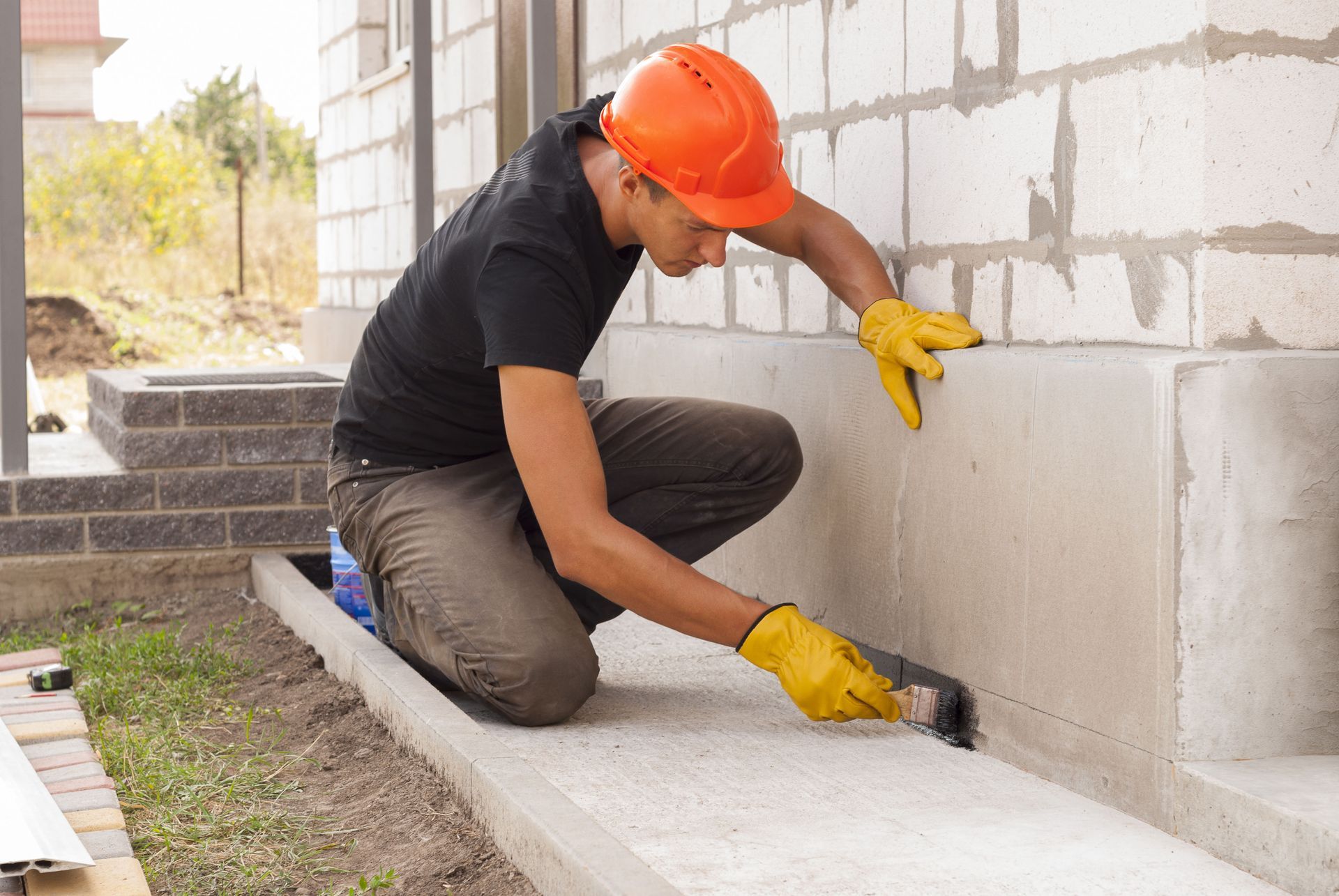
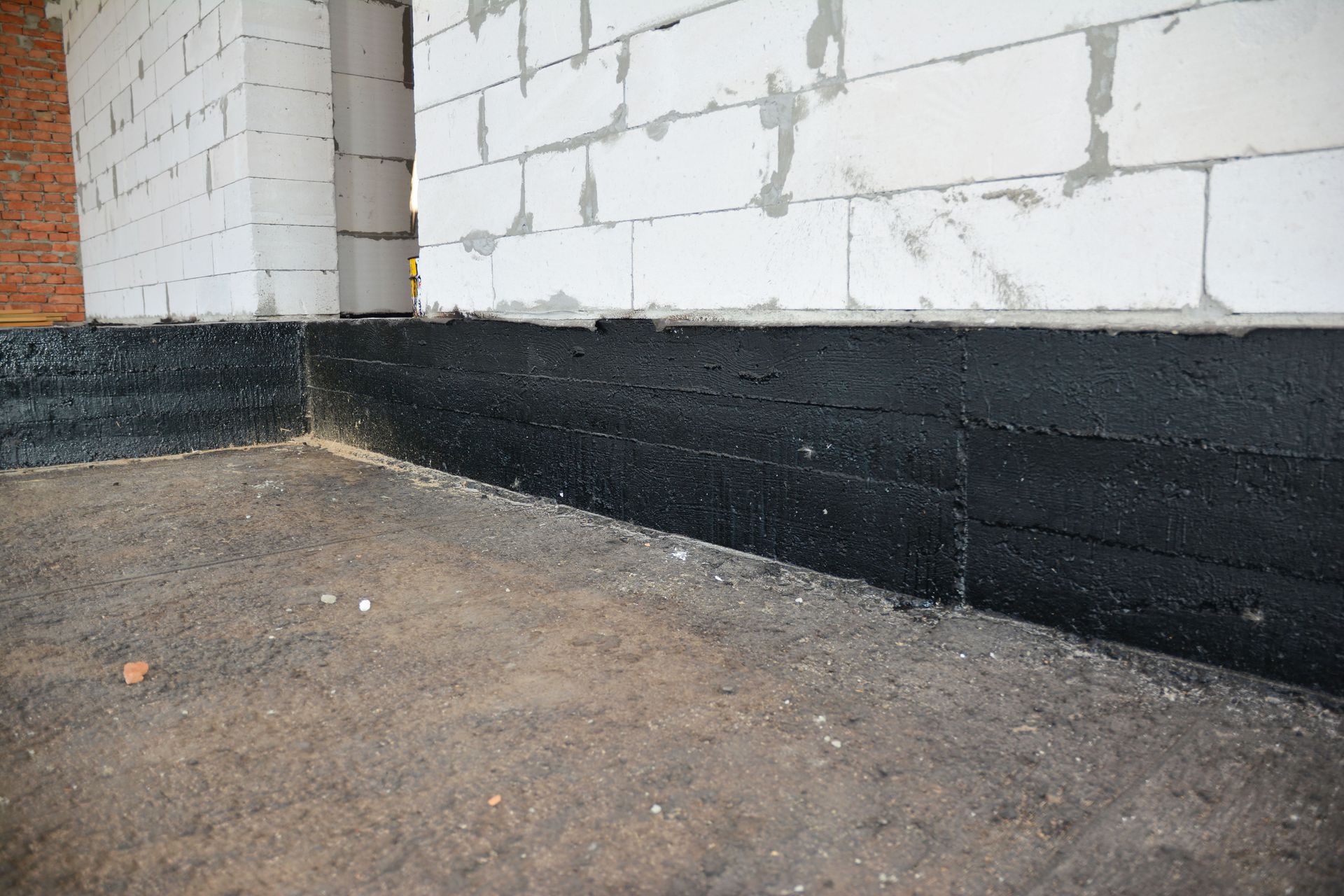
Relying on do-it-yourself fixes or assuming that simple waterproofing solves structural settling leads to ongoing structural risk. Surface sealants keep moisture out but cannot fix shifting ground or sunken footings underneath a house. Working with experienced professionals ensures that property owners implement lasting solutions, preserving structural integrity and protecting overall property value.
Foundation challenges are not limited to historical homes, as new constructions face similar ground movement risks, soil shifts, and water pressure issues. Recognizing early warning signs, maintaining proper drainage systems, and addressing structural shifts promptly protects your investment across every stage of homeownership. Remaining proactive with property maintenance ensures that minor ground shifts never compromise safety or longevity.
Partnering with qualified structural specialists allows property owners to resolve potential issues before minor cracks become major structural concerns. Modern engineering methods provide reliable, lasting solutions that stabilize structural bases and maintain long-term property values. When you need expert guidance and trusted quality, our team at Raise Right Foundation & Slab is ready to help you safeguard your home.
Share On: