How Mudjacking Companies Safely Restore Sunken Concrete
Concrete is a ubiquitous material in construction, known for its exceptional strength and long-term durability. However, over time, even exceptionally well-laid concrete can begin to sink, leading to unsightly, uneven surfaces that pose significant tripping hazards. Mudjacking, also known as slab jacking or pressure grouting, is a time-tested remedial process used to lift and level settled concrete by injecting a dense slurry mixture beneath the surface. Understanding its importance, methodology, and safety protocols is crucial for anyone looking to restore the structural integrity and appearance of their property. Professional mudjacking companies specialize in executing this precise technique, providing property owners with a reliable, cost-effective alternative to complete concrete replacement.
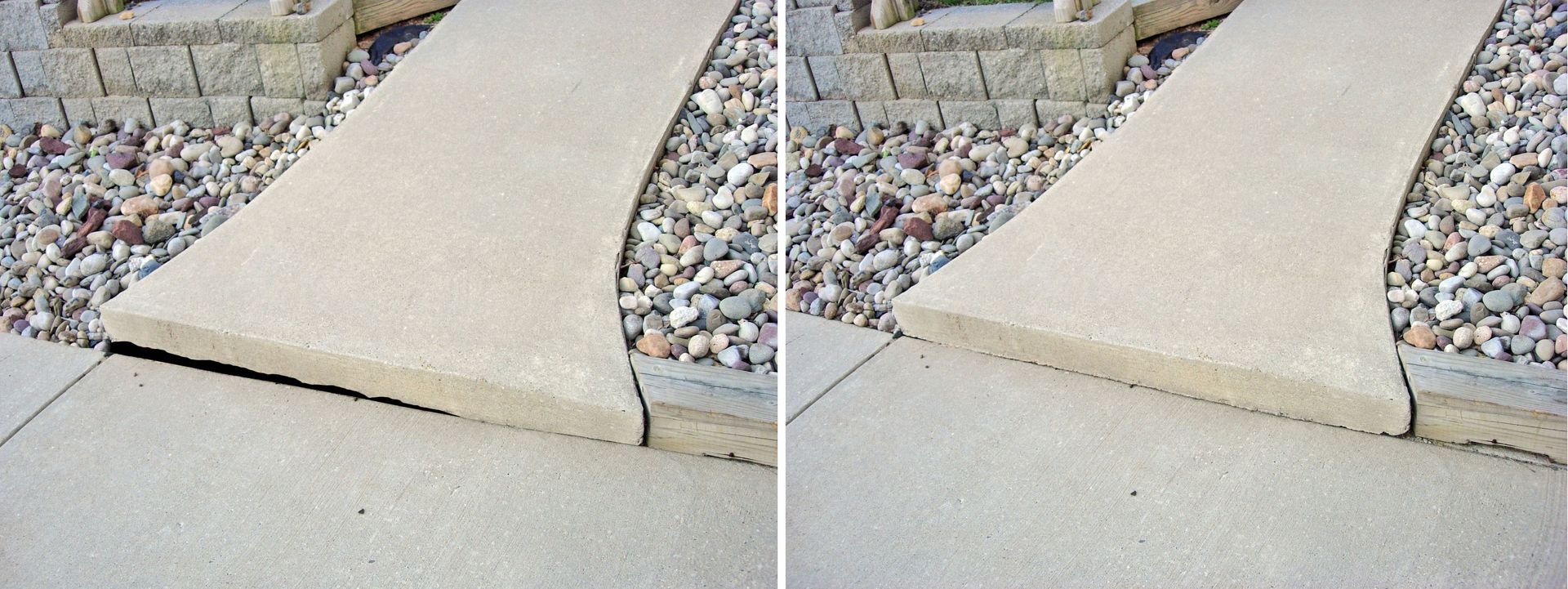
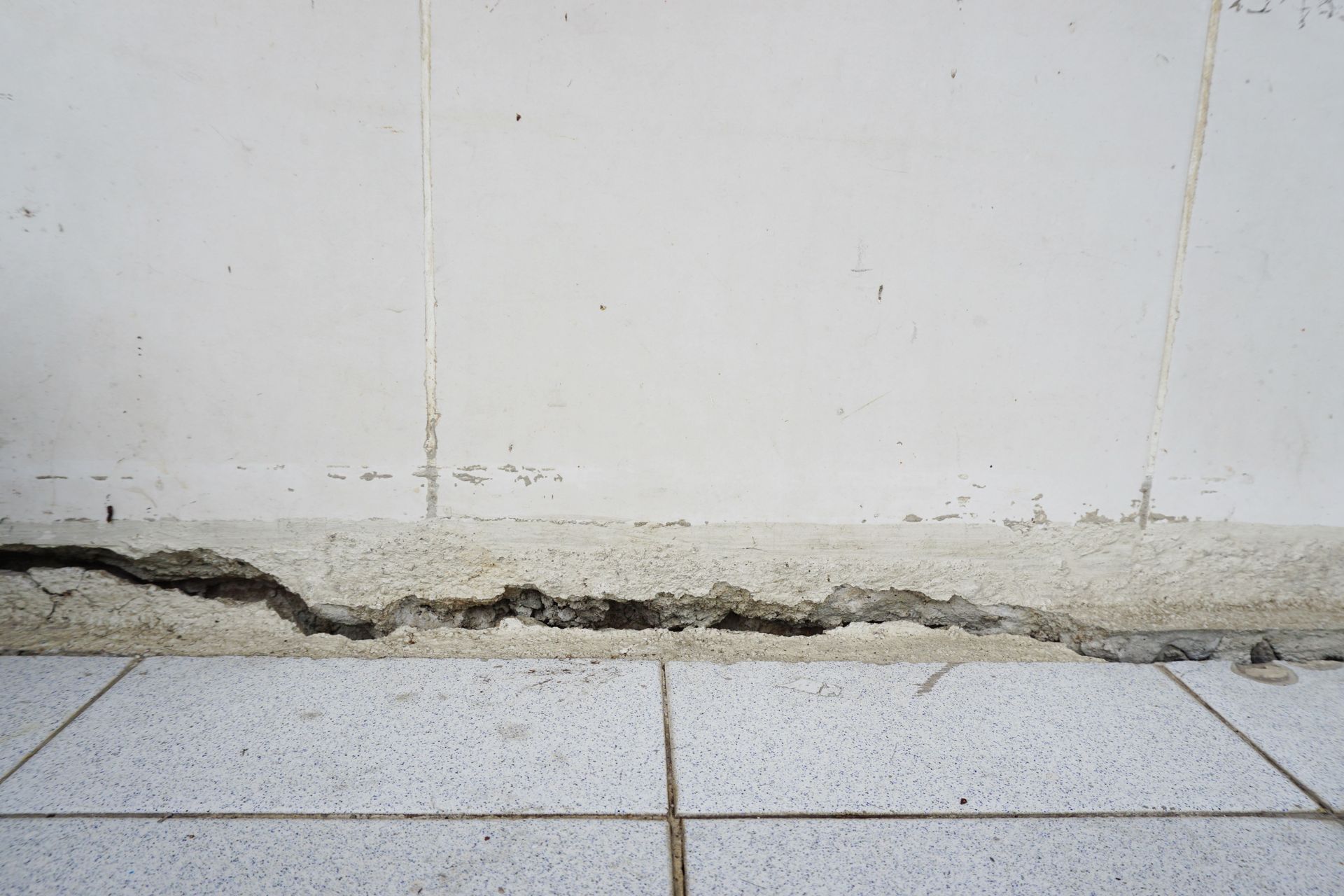
Addressing sub-surface void spaces helps restore functional stability and safety to residential and commercial environments alike. Soil erosion, uncompacted subgrade, inadequate drainage, freeze-thaw cycles, and improper installation methods all contribute to subterranean voids that cause heavy slabs to settle over time. By pumping specialized cementitious slurry directly beneath compromised concrete, mudjacking companies fill those hidden air pockets and lift slabs back into alignment. This non-invasive structural restoration preserves existing surfaces, saves property owners thousands compared to replacement, and permanently eliminates dangerous tripping hazards across driveways, sidewalks, and patios.
Analyzing the Root Causes of Concrete Settlement
Soil erosion is one of the primary culprits behind sunken concrete slabs, occurring when uncontrolled water runoff washes away supportive subgrade beneath paved surfaces. Factors such as excessive precipitation, poor landscape grading, and inadequate drainage systems accelerate soil displacement and leave heavy concrete unSupported. Loose or improperly compacted soil beds similarly fail to bear heavy loads over time, causing structural settlement. Experienced mudjacking companies address these foundational vulnerabilities by pumping specialized slurry directly into subterranean voids, consolidating loose subsoil and restoring uniform, long-term load-bearing support.
Extreme weather cycles, particularly severe frost heaves and torrential rainfall, also impose immense physical stress on concrete foundations. In colder climates, expanding groundwater lifts concrete, creating hollow voids beneath the surface once ice thaws and recedes. Furthermore, subpar construction techniques during initial installation—such as poor compaction or inferior aggregate selection—severely shorten a slab's operational lifespan. By injecting dense, structural slurry beneath compromised areas, mudjacking companies successfully stabilize weather-damaged and suboptimally constructed slabs, stopping ongoing structural deterioration across changing seasons.
Executing the Mudjacking Restoration Process
The initial phase of any successful concrete restoration project begins with a comprehensive diagnostic inspection of the area. Qualified technicians evaluate the surface, surrounding drainage patterns, and soil conditions to identify the root cause of settlement before core drilling begins. Precision core drills then create small access points measuring approximately one to two inches in diameter through the slab. Experienced mudjacking companies strategically space these access holes across the surface to ensure even slurry distribution beneath the concrete without compromising its structural integrity.
Once access points are created, a customized slurry mixture of water, cement, and sand is injected through the holes under controlled hydraulic pressure. As the fluid material fills underground voids, the increasing volume exerts steady upward force, carefully raising the slab back to its proper elevation. Technicians closely monitor this controlled lift to achieve smooth alignment with surrounding surfaces. To complete the repair, technicians fill and seal all drilled access holes with high-strength, color-matched concrete patch material, preventing future water intrusion and completing a seamless restoration.
Selecting Engineering Materials and Assessing Durability
The overall success of concrete lifting relies heavily on the specific engineering properties and mix design of the injected slurry. Standard mixtures combine locally sourced aggregate sand, Portland cement, and water to create a fluid, highly compressive compound capable of filling microscopic subterranean voids. Depending on site-specific structural loads and soil conditions, mudjacking companies tailor slurry formulations with specialized additives to adjust set times, improve pumpability, or boost compressive strength, ensuring the underlying material provides durable foundation support.
Modern concrete repair strategies prioritize long-term performance alongside environmental responsibility. According to HomeGuide, as long as contractors fix the underlying structural problems that caused the slab to sink, mudjacked sidewalks can last for 20 years. Using natural, non-toxic components minimizes the ecological footprint of repair operations while delivering permanent structural stability. Furthermore, ongoing innovations in material science—such as rapid-setting hydraulic binders and moisture-resistant additives—continue to enhance performance, solidifying mudjacking as a highly efficient, sustainable concrete restoration technique.
Implementing Essential Safety Standards and Guidelines
Prioritizing jobsite safety is essential during hydraulic lifting operations to protect field personnel, property owners, and surrounding structures. Rigorous safety protocols begin with mandatory personal protective equipment, thorough machinery training, and precise hydraulic pressure management during injection. Technicians continuously check perimeter boundaries and underground utilities to avoid accidental pressure damage to adjacent property features. By maintaining clear jobsite communication and well-serviced pumping equipment, mudjacking companies execute high-pressure structural lifting smoothly, safely, and efficiently.
Continuous elevation monitoring throughout the injection process prevents structural binding, over-leveling, or stress cracking in the concrete. Technicians utilize precision levels to verify that raised slabs achieve exact alignment with surrounding walkways and thresholds. Furthermore, compliance with regional building codes, material disposal regulations, and public safety standards is mandatory for professional contractors. Strictly adhering to established safety guidelines protects property owners from liability while ensuring that completed concrete restoration work meets rigorous technical and regulatory benchmarks.
Evaluating Comparative Benefits and Methodologies
Slab jacking offers substantial economic and operational advantages when compared directly to traditional concrete demolition and replacement. Removing and repouring concrete involves high material expenses, extensive labor, heavy equipment rentals, and landfill disposal fees, whereas slab lifting utilizes existing concrete to reduce project costs by up to 70 percent. Furthermore, mudjacking companies complete most residential projects in just a few hours. Lifted surfaces can sustain immediate foot traffic and vehicular traffic within 24 hours, minimizing operational downtime and eliminating prolonged inconvenience.
When performed by qualified trade specialists, hydraulic concrete lifting delivers long-term structural performance that rivals completely new concrete installations. Injected cementitious slurry consolidates unstable base soils, creating an enduring foundation that resists settlement and eliminates tripping hazards. Real-world case studies and positive client reviews demonstrate the extreme versatility of slab raising across driveways, warehouse floors, municipal sidewalks, and patio decks. Resolving sub-surface voids directly provides a permanent, cost-effective fix that protects concrete surfaces against future movement.
Partnering with Experienced Restoration Professionals
Selecting a trustworthy concrete repair contractor requires a thorough review of company credentials, licensing, insurance coverage, and practical industry experience. Property owners should verify affiliations with professional trade associations and select contractors who possess a proven track record handling complex structural lifting projects. Experienced mudjacking companies understand how different soil types respond to hydraulic slurry injection, allowing them to adjust pumping pressure dynamically and deliver precise, long-lasting surface leveling without damaging surrounding landscape features or utilities.
Comprehensive service warranties and transparent project estimates further reflect a contractor's commitment to quality workmanship and client satisfaction. Written warranties protect property owners against future resinking, while itemized estimates provide clear pricing breakdowns for inspection, drilling, slurry materials, and surface sealing. Reviewing independent customer feedback helps confirm a company's punctuality, jobsite cleanliness, and technical reliability. Partnering with a fully insured, licensed contractor ensures that your structural repairs are executed in complete compliance with local building codes and safety standards. Thoroughly vetting past project portfolios gives property owners confidence in a team's ability to handle complex soil dynamics and structural challenges smoothly. Ultimately, investing in qualified expertise guarantees a seamless repair experience from the initial assessment through the final cleanup. Contact Raise Right Foundation & Slab today to schedule a comprehensive structural evaluation and safely restore the safety, value, and beauty of your concrete surfaces.

Share On: