What is Mud Jacking and How Can it Help Your Property?
Uneven or sunken concrete is a common concern for property owners. Over time, driveways, sidewalks, patios, and garage floors can settle due to soil movement or voids beneath the slab. When this happens, the surface may become cracked, sloped, or misaligned, affecting both appearance and functionality in noticeable ways.
Mud jacking is a concrete lifting method designed to restore settled slabs without removing and replacing them. By raising the existing concrete back to a more level position, this process helps improve stability while minimizing disruption to surrounding areas. Understanding how mud jacking works can help property owners determine whether it may be an appropriate solution for their situation and long-term property goals.
Fundamental Insights of Mud Jacking
Define Mud Jacking
Also known as slab jacking, this process is used to lift and level sunken concrete. The method involves injecting a specialized mixture beneath the slab to fill empty spaces and raise the concrete back toward its original position. This approach focuses on correcting settlement while preserving the existing slab whenever possible.
Rather than demolishing and replacing the affected surface, mud jacking works with the existing slab. This approach makes it a practical option for many residential concrete surfaces experiencing minor to moderate settling. For property owners exploring repair options, the concept centers on restoring support beneath the concrete so it can perform as intended.
Explain the Process of Concrete Lifting
The mud jacking process begins by drilling small holes into the affected concrete slab. These holes allow material to be injected beneath the surface where voids or soil displacement have caused sinking. Careful placement of these openings supports even distribution of the lifting material.
A slurry mixture, typically made of water, soil, and cement, is then pumped through the drilled holes. As the material fills the empty spaces below, pressure gradually lifts the slab. Once the desired level is achieved, the injection stops and the holes are sealed to complete the process.
Outline the Equipment and Materials of the Method
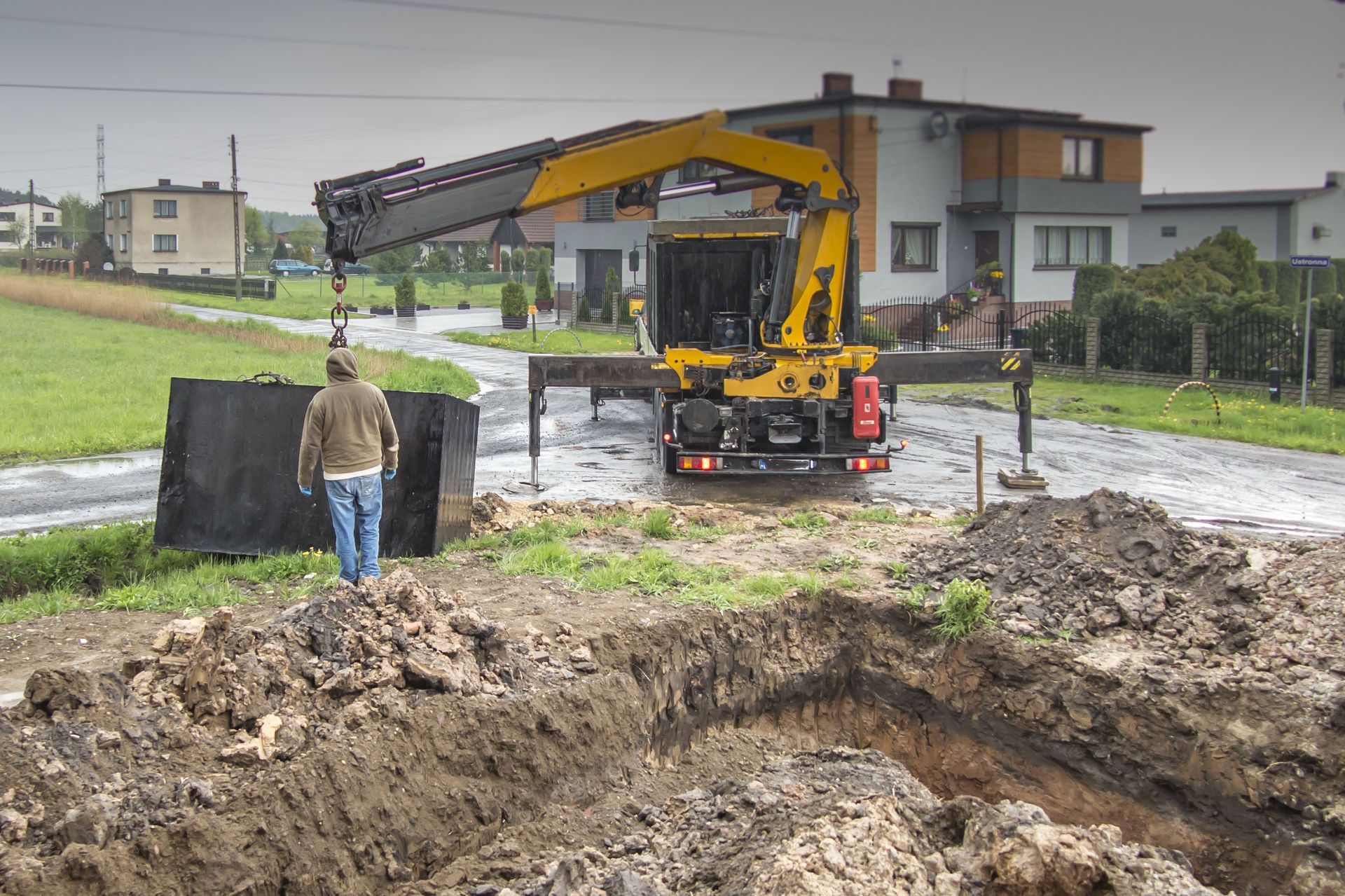
This process requires special pumps, drills, and hoses designed to deliver the slurry mixture beneath the slab with controlled pressure. Proper placement of injection holes is important to ensure even lifting and consistent support. Each stage of the process is carried out with attention to detail.
The slurry mixture plays a key role in stabilizing the slab. When injected, it fills gaps beneath the concrete and provides support to help reduce further settling. Careful preparation and application are essential for achieving consistent results that align with the condition of the slab.
Critical Indicators of Concrete Settlement
Identify Signs of Surface Movement
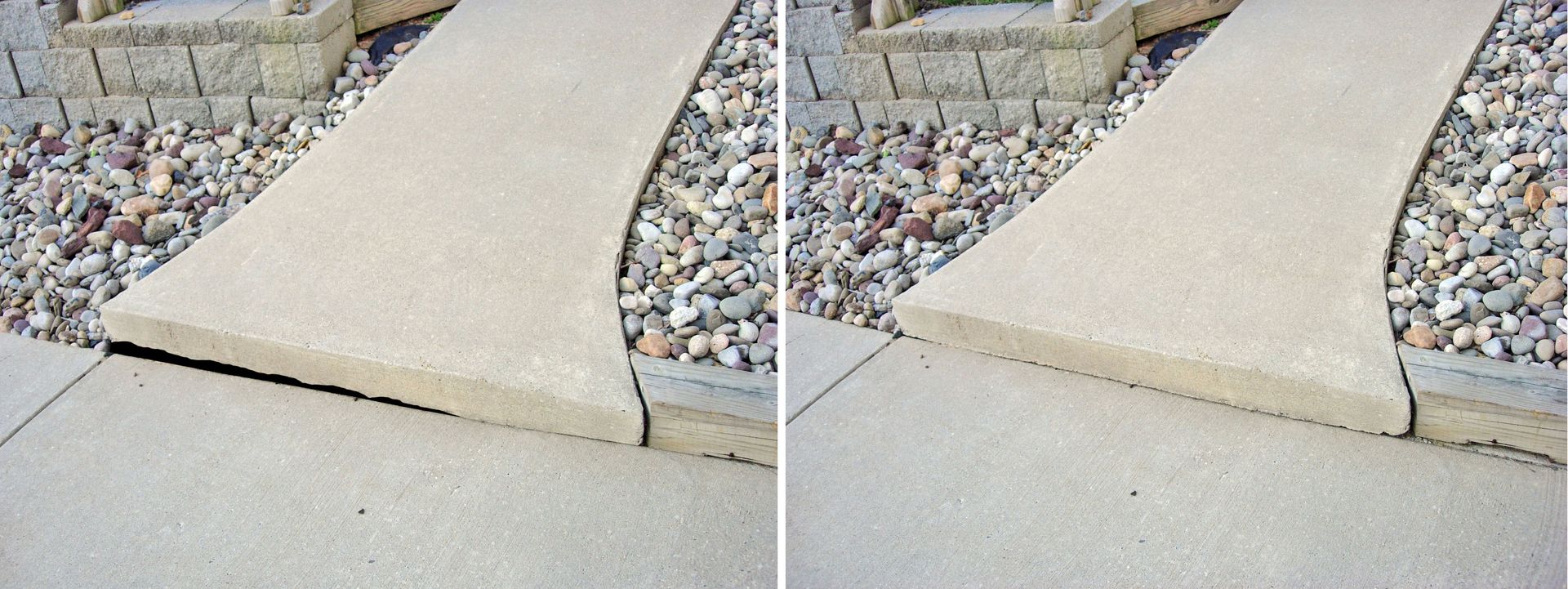
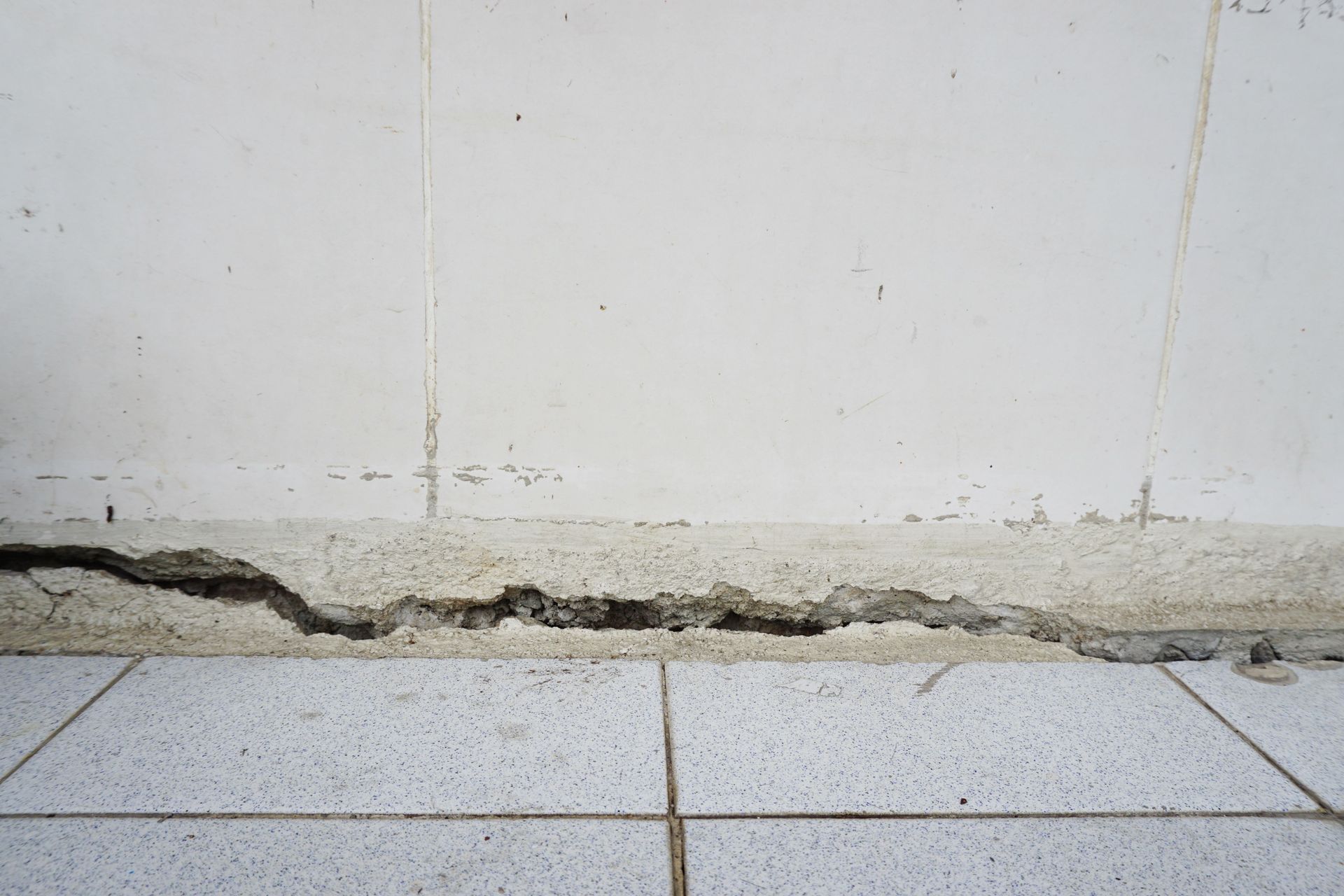
Sunken or uneven concrete can show several visible warning signs. These may include cracks in the slab, sections of concrete that sit lower than surrounding areas, or gaps forming between slabs. Water pooling on flat surfaces can also indicate shifting or settling beneath the concrete.
Addressing these issues early can help prevent further deterioration. If the slab remains structurally intact but has settled unevenly, mud jacking may be a suitable option to restore alignment. Paying attention to subtle changes in concrete surfaces can make a meaningful difference over time.
Describe Types of Surfaces Affected
Mud jacking is commonly used on residential concrete surfaces such as driveways, sidewalks, patios, garage floors, and other slab areas. These surfaces are especially susceptible to settling due to changes in soil conditions beneath them. Even small variations in support can lead to noticeable unevenness.
Assess Factors Influencing Suitability
The condition of the slab and the extent of the settlement are important factors in determining whether mud jacking is appropriate. Minor to moderate sinking is typically a better candidate for lifting than slabs with severe structural damage. Evaluating the overall integrity of the concrete helps guide this decision.
In situations involving significant foundation movement or structural cracking, additional repair services may be recommended. A professional evaluation can help determine the most appropriate solution for the property based on observed conditions. Each property presents unique circumstances that influence the repair approach.
Detailed Stages of the Mud Jacking Process
Evaluate the Slab
The process begins with an inspection of the affected area. The goal is to assess the extent of settling and identify where lifting is needed. This evaluation helps determine the placement of injection holes and the amount of material required for stabilization.
A clear understanding of the slab’s condition allows the repair process to move forward in a focused and organized way. Careful review of visible settlement supports accurate planning. This preparation helps ensure mud jacking is applied where it is most effective.
Drill Injection Points
Small holes are drilled into the slab in strategic locations. These openings provide access for the slurry mixture to be delivered beneath the concrete. Careful placement supports even distribution and consistent lifting across the affected surface.
Inject Supporting Material
The prepared slurry is pumped beneath the slab through the drilled holes. As the material fills voids and compacts the underlying space, the slab begins to rise. The process is monitored to ensure gradual and controlled lifting throughout each stage.
Finish the Surface
Once the slab reaches the desired height, pumping stops. The injection holes are then filled and sealed to restore the surface. The result is a stabilized, even area designed to improve function and appearance.
Finishing touches help ensure the surface looks clean and cohesive with the surrounding concrete areas. Proper sealing also helps maintain the repaired surface. These final steps complete the mud jacking process in an organized manner.
Key Benefits of Mud Jacking
Reduce Disruption
Because the slab remains in place, mud jacking typically involves less disruption to surrounding landscaping and adjacent structures compared to full replacement. The focused nature of the process allows repairs to be completed efficiently and with attention to existing features. This approach also helps maintain the overall appearance of the property, ensuring that restored areas blend seamlessly with the surrounding concrete and landscape.
Limiting disturbance to nearby areas can make the repair process more manageable for property owners. Maintaining the surrounding environment supports a smoother overall experience. This controlled approach aligns with the goal of restoring stability with minimal interruption.
Essential Considerations for Additional Services
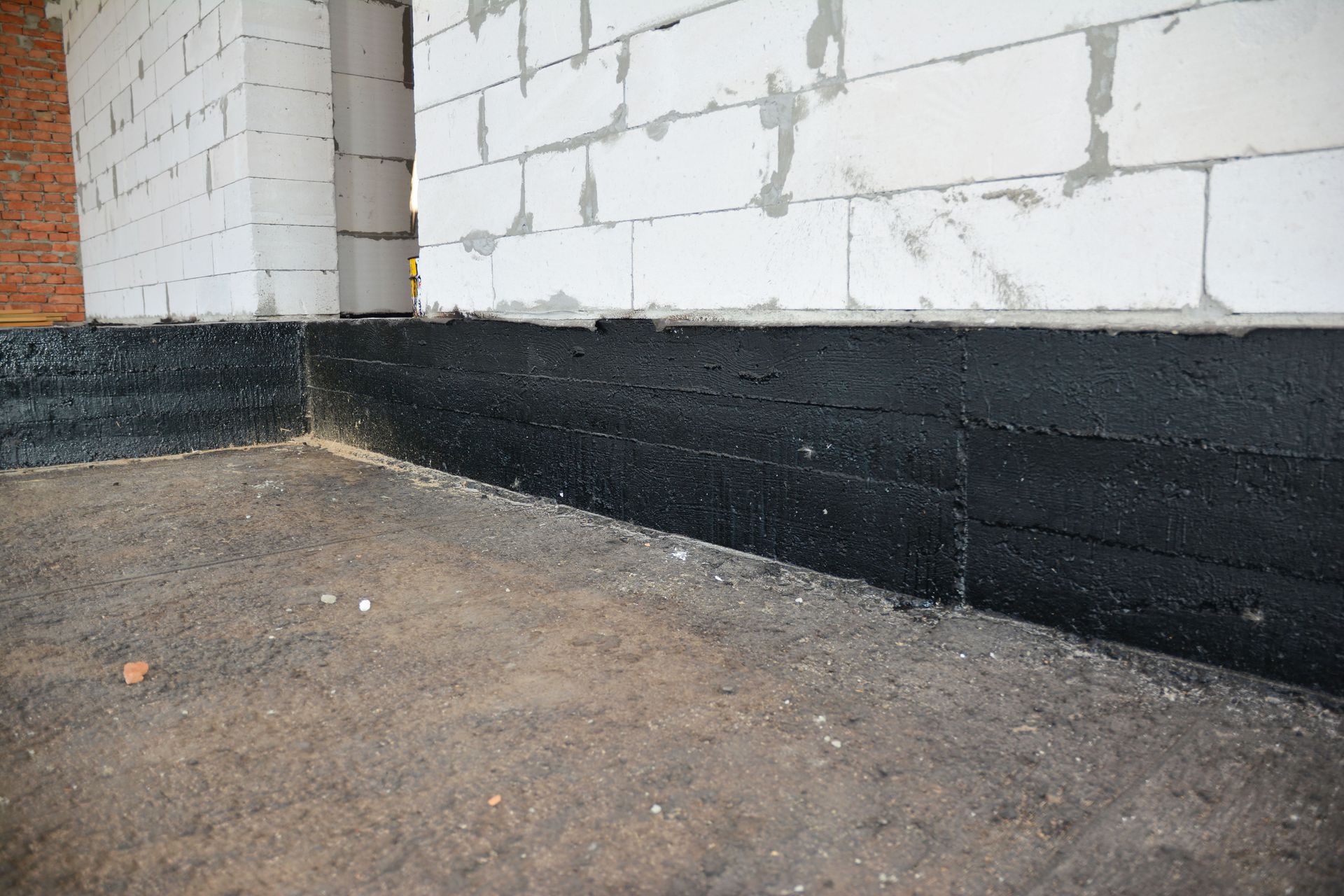
While mud jacking is effective for many settled concrete surfaces, some situations may require additional repair solutions. Structural foundation issues may call for foundation repair services, while moisture intrusion concerns may require waterproofing solutions. In some cases, other solutions may be recommended as an alternative lifting method depending on site conditions.
Considering all available options ensures that the repair strategy aligns with the specific condition of the property. According to HomeGuide, mudjacking can cure in as fast as 24 to 48-hours. A professional evaluation can help determine which approach is most appropriate for long-term stability.
Sunken concrete can impact how your property looks and functions, especially when uneven surfaces create safety concerns or drainage issues. Mud jacking provides a practical way to lift and stabilize settled slabs while preserving the existing concrete. Taking action when changes first appear can help maintain the condition and usability of your surfaces over time.
If you are exploring options for concrete lifting, foundation repair, or waterproofing learn more about how Raise Right Foundation & Slab can help restore stability and support to your property in the U.S.

Share On: