
How a Professional Foundation Repair Service Restores Home Stability
A home depends on its foundation to distribute weight, support walls, and keep floors level. When that support changes, problems can spread beyond the concrete beneath the house. Doors may begin sticking, drywall can develop cracks, and gaps may form around windows. Although these symptoms sometimes have harmless explanations, persistent or worsening changes can signal movement that deserves professional attention.
Foundation damage rarely develops overnight. Soil conditions, water exposure, construction practices, and seasonal changes can gradually affect how a home settles. Addressing these issues requires more than covering cracks or adjusting a doorframe. A foundation repair service examines the source of movement, recommends suitable corrections, and works to restore reliable support. Understanding the repair process helps homeowners recognize warning signs, make informed decisions, and protect their property against further damage.
Recognizing the Warning Signs
Foundation problems can appear in several areas of a home, not just along the visible concrete. Homeowners might notice stair-step cracks in brickwork, sloping floors, separating trim, or interior doors that no longer close smoothly. Exterior gaps where walls meet windows or garage doors may also suggest uneven movement.
The size of a crack alone does not always reveal its significance. A narrow crack that continues growing can warrant more concern than an older, stable surface crack. Changes that appear together, such as new wall cracks and sticking doors, may provide stronger evidence of shifting support.
A foundation repair service can assess these patterns instead of treating each symptom as an isolated cosmetic issue. Homeowners can help by photographing visible changes, recording when they appear, and noting whether problems worsen after heavy rain or dry weather. This information may help identify ongoing movement.
Investigating the Underlying Causes
Before recommending repairs, professionals need to understand why the foundation has moved. Expansive clay soils can swell when wet and shrink during drought. Poorly compacted fill may settle under a home's weight, while erosion can remove supporting soil near the foundation. Plumbing leaks and improperly directed runoff may also contribute to unstable ground conditions. Nearby excavation, mature trees, and landscape changes can influence soil moisture or support, making the property's maintenance history relevant to the investigation.
A foundation repair service typically begins with a visual inspection and measurements of floor elevations or other indicators of movement. Depending on the circumstances, additional soil evaluation, plumbing investigation, or input from a structural engineer may be appropriate.
Identifying the cause matters because identical cracks can develop for different reasons. Repairing damage without addressing active moisture problems or soil loss may allow movement to continue. A careful evaluation helps distinguish routine settling from conditions that require structural intervention and supports a plan suited to the home's construction.
Developing a Targeted Repair Plan
No single repair technique works for every foundation. The appropriate approach depends on the foundation type, soil behavior, extent of displacement, and condition of the surrounding structure. Repairs may involve supporting settled sections, filling voids beneath concrete, sealing selected cracks, or correcting drainage around the home.
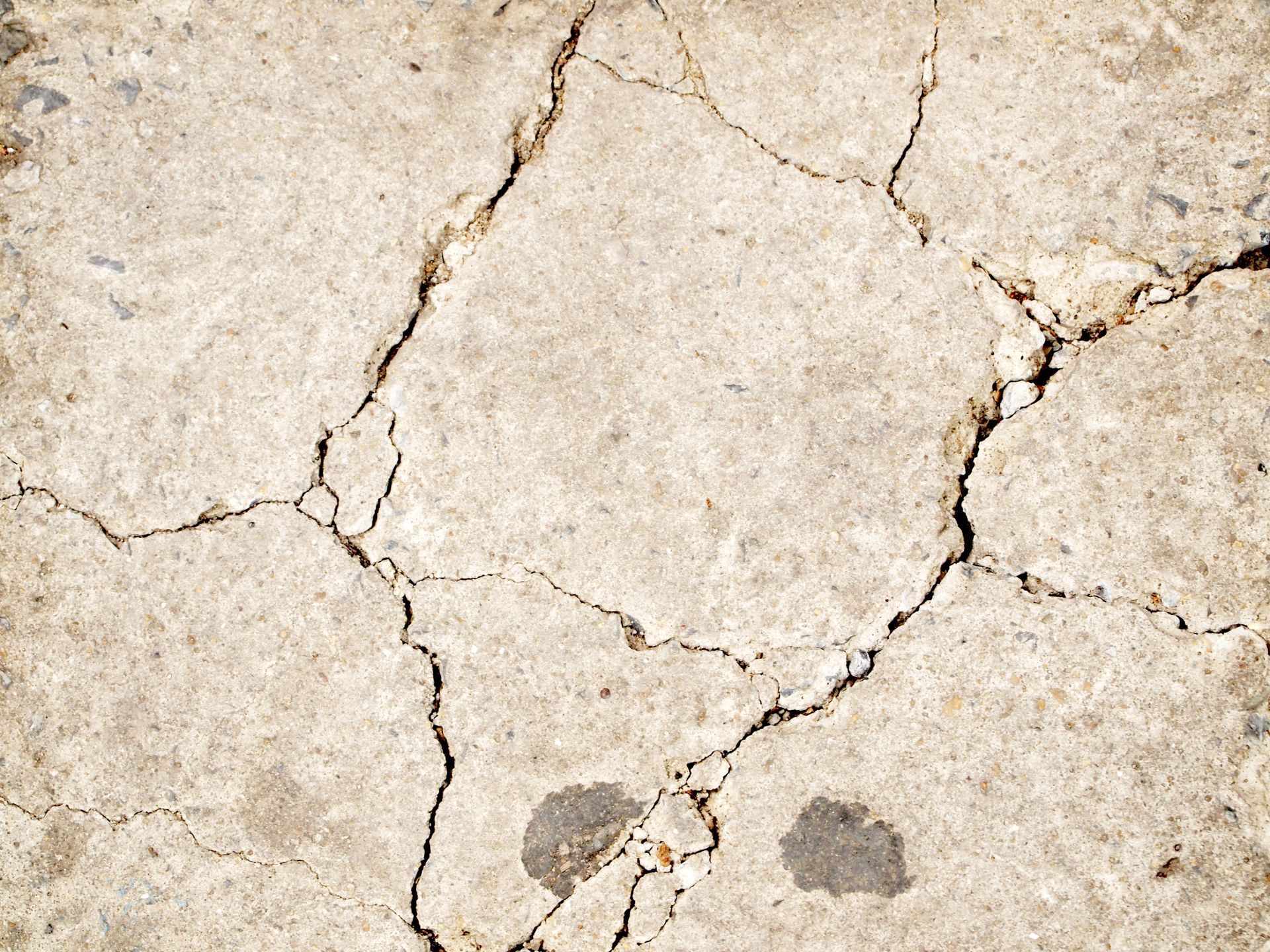
According to Gitnux, 72% of U.S. homes have concrete slab foundations, which can be susceptible to cracking. However, a crack in a slab does not automatically indicate structural failure. Some cracks result from normal concrete shrinkage, while others develop when supporting soil shifts or loses strength.
A foundation repair service should explain which problems require stabilization and which may need monitoring or less extensive treatment. Homeowners should ask how the proposed work addresses the diagnosed cause, what areas will be affected, and whether an engineer's assessment or local permits are necessary. Clear expectations make it easier to compare recommendations without assuming that the most extensive option is always appropriate.
Stabilizing Uneven or Settling Foundations
When part of a foundation settles, repairs may need to transfer structural loads to more stable supporting material. Depending on site conditions, contractors may install engineered pier systems beneath affected sections. Push piers and helical piers use different installation methods, but both can provide support when properly designed for the structure and soil.
In some cases, controlled lifting may reduce unevenness, although returning a building to its original elevation is not always safe or feasible. Existing finishes, utilities, and connections can limit how much adjustment is appropriate. The primary goal is often to improve stability rather than achieve perfectly level floors.
A foundation repair service should discuss expected movement, possible cosmetic effects, and limitations before work begins. For settled concrete surfaces that are not carrying the home's primary structural loads, lifting or void-filling methods may sometimes be appropriate. Selecting the right intervention helps avoid unnecessary disturbance while addressing the actual support problem.
Managing Moisture and Drainage
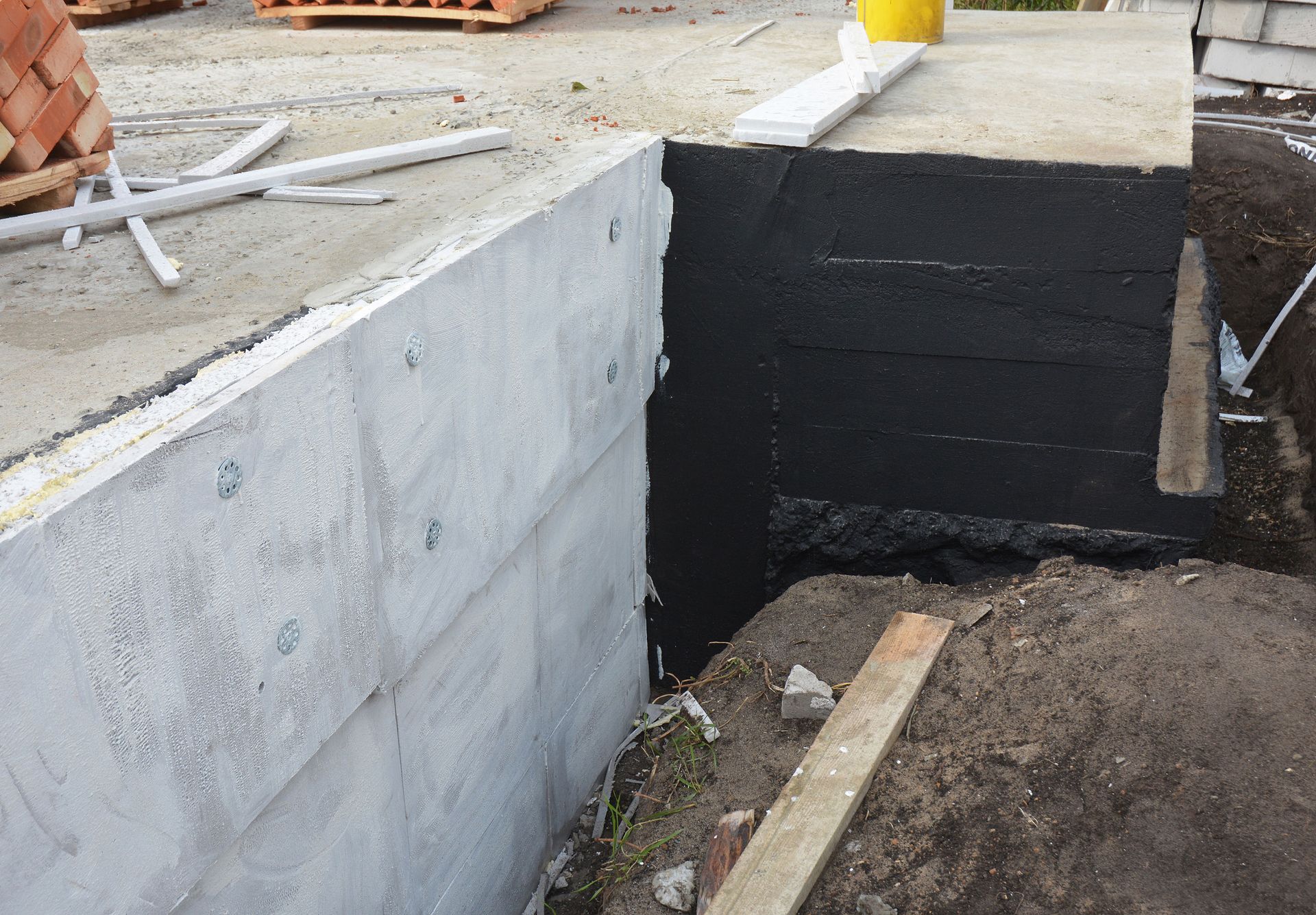
Water management is an important part of protecting foundation performance. Rainwater that collects next to exterior walls can saturate soil, increase pressure, and contribute to erosion. In areas with expansive soils, major changes in moisture content may also cause the ground to swell or contract.
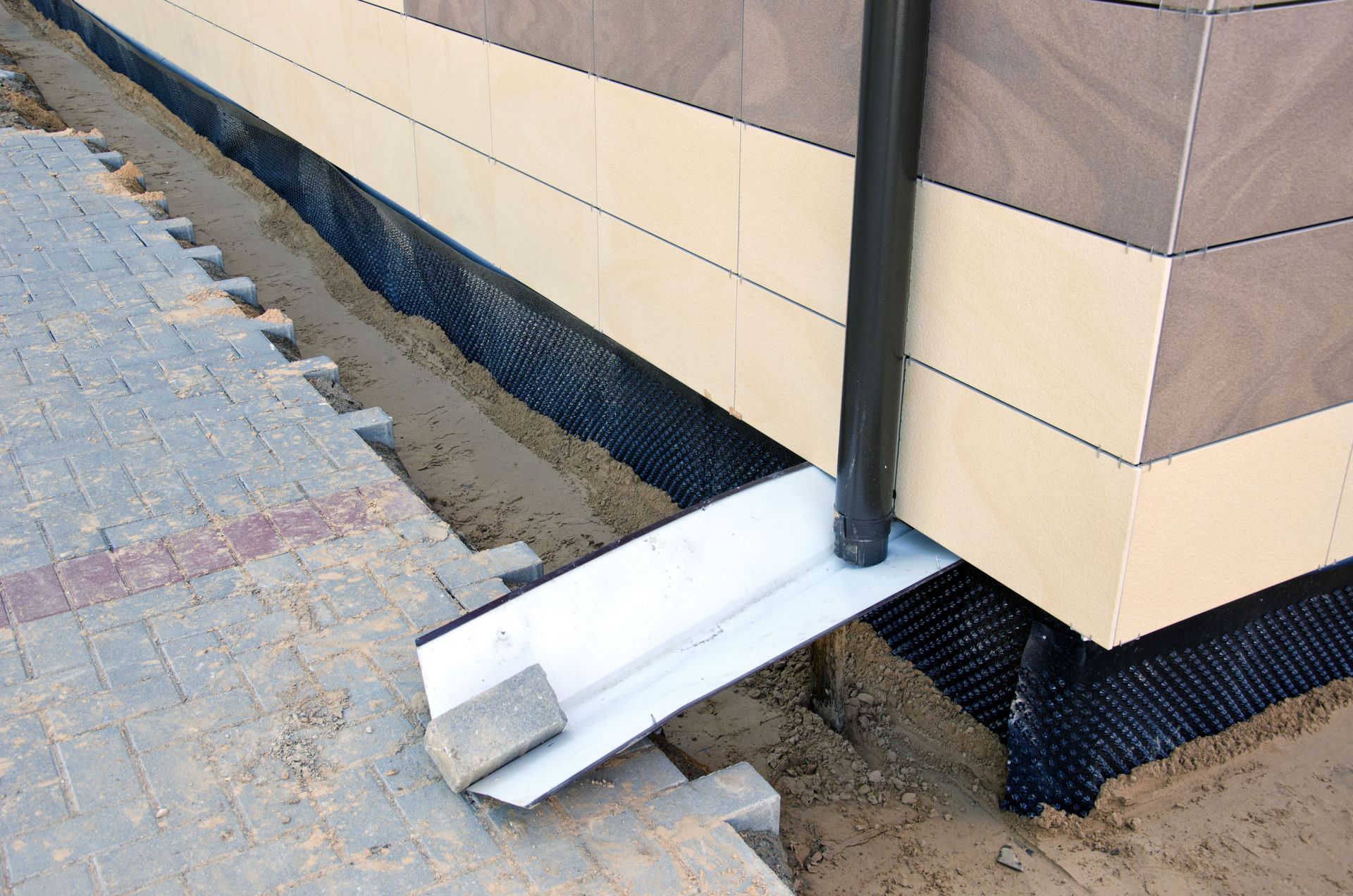
A foundation repair service may recommend improvements that complement structural repairs, such as extending downspouts, correcting grading, or addressing standing water near the house. The precise solution depends on the property's slope, soil characteristics, and existing drainage infrastructure.
Homeowners should also watch for persistent plumbing leaks, blocked gutters, and landscaping that directs water toward the structure. Avoiding extreme moisture fluctuations around the foundation can help reduce conditions associated with movement. Drainage improvements cannot reverse every structural problem, but they may reduce preventable stress on repaired areas and support better long-term results.
Protecting the Structure During Repairs
Foundation work can affect more than the area immediately beneath a damaged wall. Raising or supporting sections of a house may change pressure on framing, drywall, windows, and plumbing connections. Experienced crews therefore need to plan access, equipment placement, and repair sequencing with the rest of the structure in mind.
A foundation repair service should communicate which areas must remain clear, whether landscaping or concrete removal is necessary, and what occupants can expect during construction. For complicated projects, coordination with structural engineers or specialized trades may be needed to evaluate load paths and protect vulnerable utilities.
Homeowners may also need to separate structural work from cosmetic restoration. Stabilizing a foundation will not automatically close every drywall crack or realign every door. Some finishes require attention after movement has been addressed, and allowing the structure to stabilize before completing cosmetic repairs may help prevent repeated work.
Maintaining Long-Term Foundation Performance
Completed repairs mark an important milestone, but ongoing observation remains useful. Homeowners can periodically check previously affected walls, monitor drainage, and look for new gaps around doors or windows. Taking dated photographs helps distinguish unchanged older damage from fresh movement that warrants further evaluation.
A foundation repair service may provide documentation describing the work performed, applicable warranties, and recommendations for follow-up inspections. Keeping these records alongside engineering reports and property maintenance information can help homeowners understand what was corrected and identify future concerns.
Routine upkeep also plays a role. Cleaning gutters, maintaining drainage paths, repairing plumbing leaks promptly, and avoiding changes that trap water beside the house can reduce unnecessary soil stress. If warning signs reappear, homeowners should request an assessment rather than assuming previous repairs have failed. With suitable stabilization and continued care, a home can regain dependable support and remain more comfortable to live in.
Call Raise Right Foundation & Slab today to schedule your foundation or concrete slab repair service.
Share On: