Foundation Repair Services That Shield Your Home from Storms
Residential homes often face significant threats from natural elements, with storms being particularly destructive. Foundation repair services play a crucial role in safeguarding homes against storm-induced damage, ensuring structural stability. In this article, we will explore different facets of foundation repair services, from vulnerabilities to innovative techniques, revealing how they protect homes from the ravages of storms. A strong foundation is the backbone of any building, providing the necessary support to withstand various environmental stresses. However, storms can accelerate the deterioration of foundations, making timely repair services indispensable. Understanding the importance of foundation repairs aids in appreciating the safety they confer to homes under threat from severe weather conditions. With climate change inducing more frequent and intense storms, the need for foundation repair services becomes increasingly critical. This article delves into the complexities surrounding foundation repair services and highlights the steps homeowners can take to minimize risks and maintain the integrity of their properties. By prioritizing these repairs, homes can be fortified against storms, ensuring safety and peace of mind.
Understanding Foundation Vulnerabilities
Several factors contribute to foundation issues, including soil composition, moisture levels, and construction practices. Expansive clay soils, for example, can swell when wet and contract when dry, leading to movement and stress on the foundation. Poor drainage systems exacerbate this problem by allowing water to accumulate near the foundation, promoting settlement or upheaval. Tree roots, too, can cause damage by absorbing moisture from the soil or physically penetrating the foundation. Therefore, understanding and addressing these causes is vital in preventing and mitigating foundation problems, often with the assistance of professional foundation repair services.
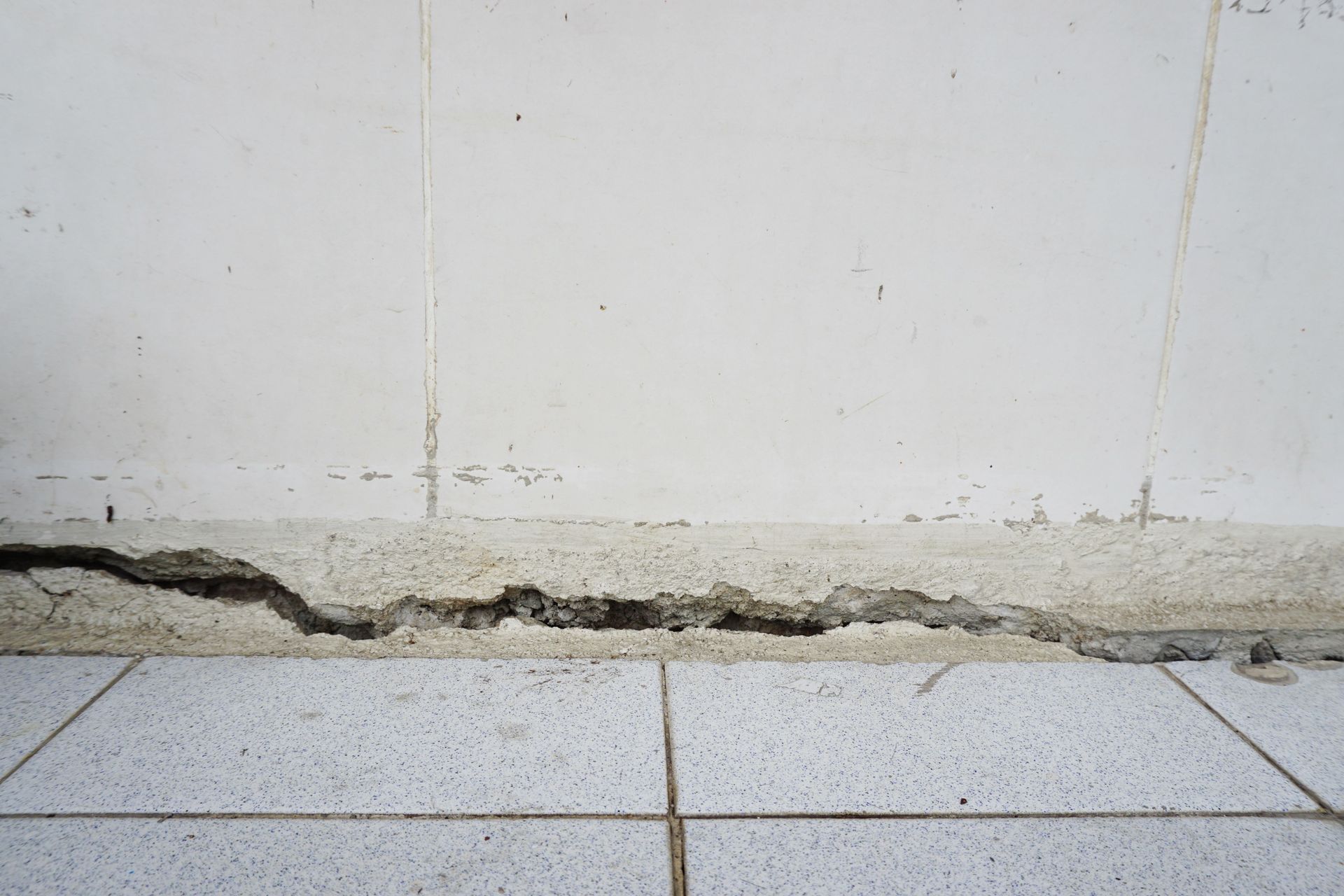
Across many parts of the United States, freeze-thaw cycles create unique challenges for home foundations. According to Future Market Insights, rising soil movement from these cycles and moisture changes adversely affect 65% of homes built before 1980, leading to cracking. These cracks can jeopardize the structural integrity of the building, creating safety hazards for occupants. Addressing such foundational vulnerabilities requires a detailed assessment by experienced professionals. Preventive maintenance and timely interventions can go a long way in preserving foundation stability.
Natural factors aside, human factors also play a significant role in foundation vulnerability. Subpar construction techniques and materials can compromise the initial strength of the foundation, while negligence in long-term building maintenance can allow minor issues to escalate. Furthermore, the increasing frequency and severity of storms pose additional risks, highlighting the importance of thorough inspections. Identifying weaknesses early and employing appropriate repair measures are essential in prolonging the life and resilience of foundations.
Discovering Types of Foundation Repair Techniques
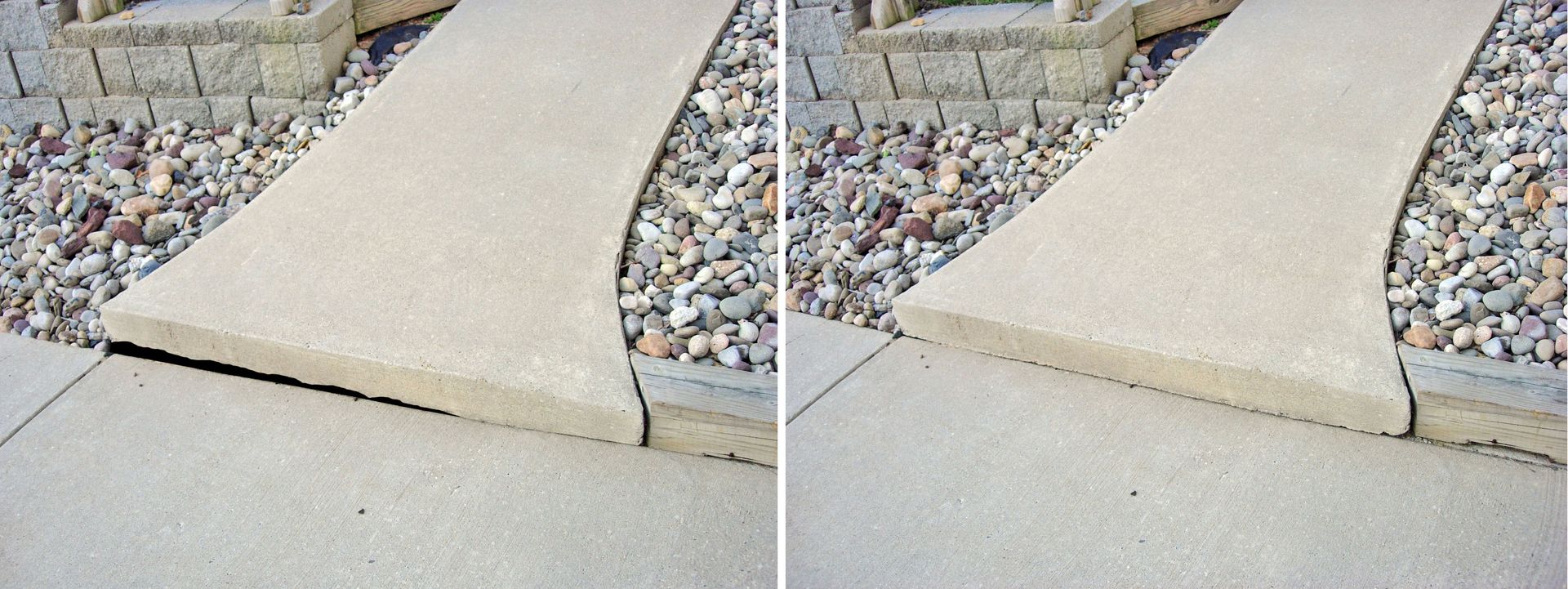
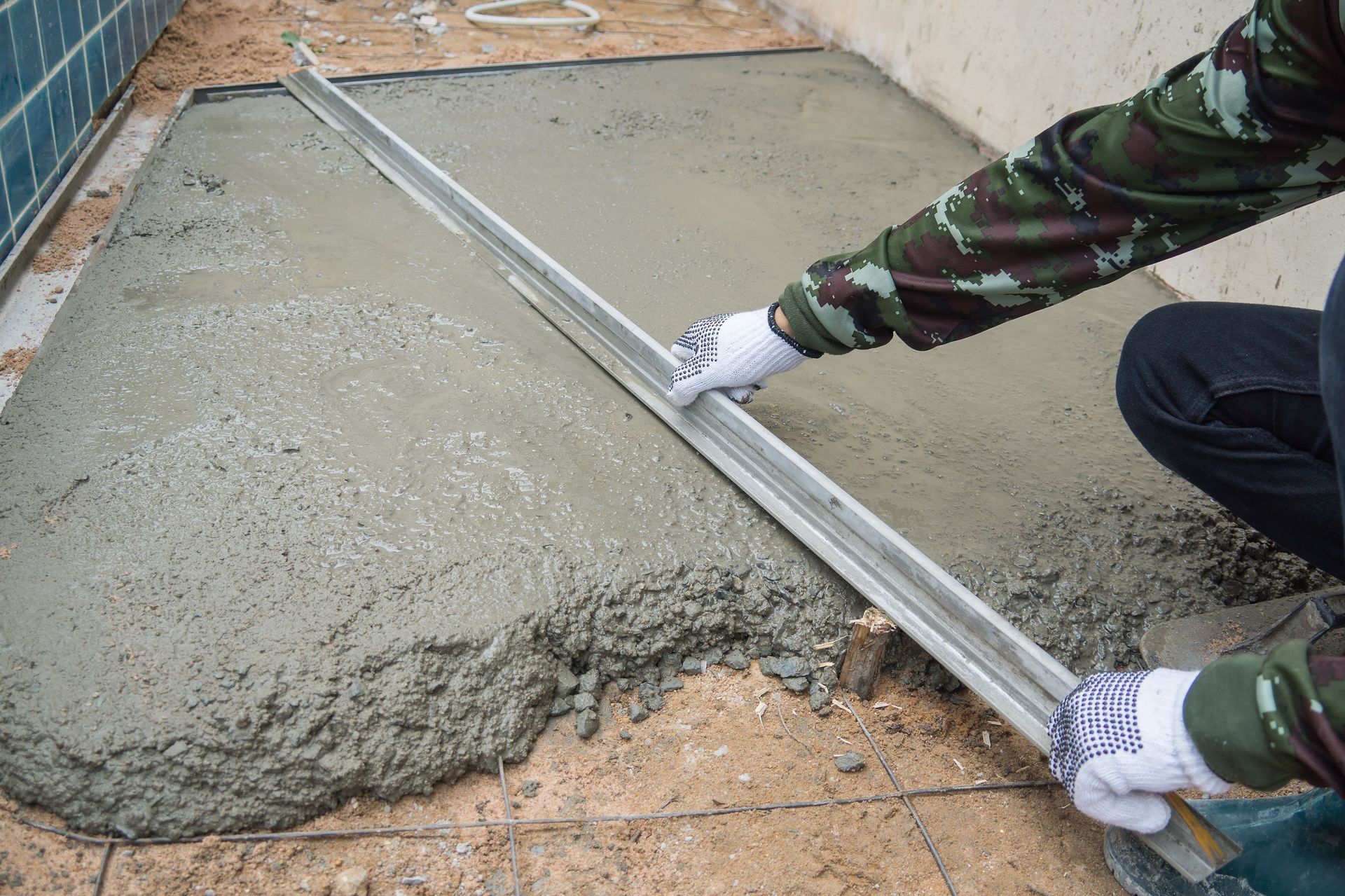
Slab jacking is an effective foundation repair technique used to correct concrete slabs that have settled or become uneven. This method involves pumping a grout mixture beneath the slab to lift it back to its original position. Slab jacking is particularly beneficial for areas where soil erosion or compacted fill has caused foundation settlement, allowing quick resolution without requiring extensive excavation. It is cost-effective, non-disruptive, and yields immediate results, making it a popular choice among homeowners. Moreover, the process reinforces the soil below, providing long-term stability beyond merely addressing the symptoms of foundation issues.
This technique excels in climates where soil shifting due to moisture changes is common. By addressing the underlying soil stability, slab jacking prevents further structural issues that could arise from these environmental conditions. In addition to its efficiency, slab jacking is less invasive than other repair methods, minimizing disruption to daily life. It also effectively restores the evenness of floors and driveways, improving both aesthetic and functional aspects of the property. This method offers a balanced approach between cost and efficacy, making it suitable for a wide range of foundation problems.
Overall, slab jacking stands out for its ability to quickly address foundational concerns while fortifying the soil to resist future movement. This dual-action approach not only imparts immediate stability but also contributes to a more durable solution over time. Its ability to adapt to different soil conditions further enhances its appeal, ensuring effective application across diverse geographic areas. As a foundation repair tactic, it represents a vital tool for maintaining structural integrity and minimizing the impact of storms on homes. Consequently, slab jacking remains an indispensable component of comprehensive foundation maintenance and repair strategies.
Piering Methods for Stabilization
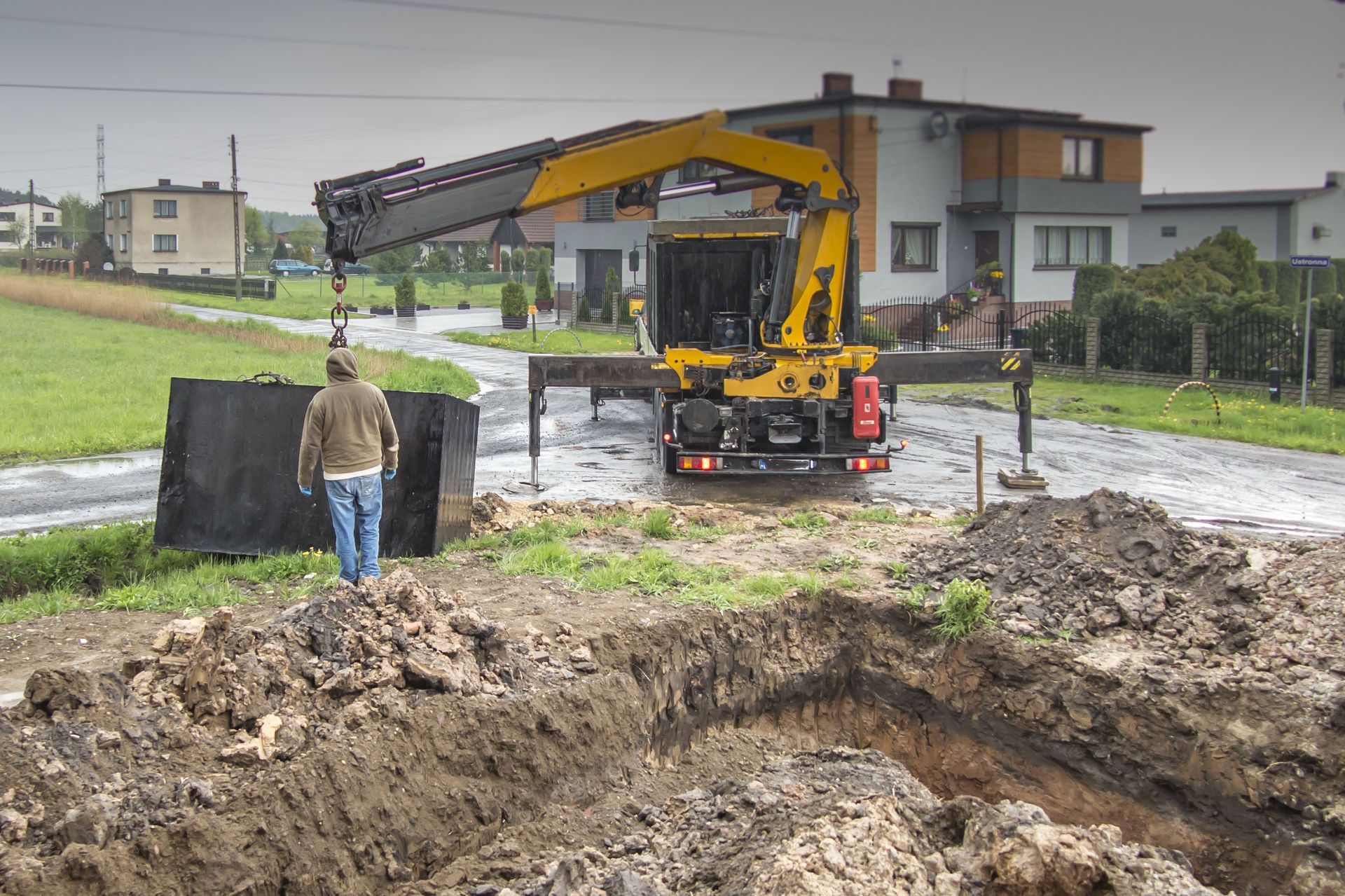
Piering is a robust foundation repair technique used primarily to stabilize and support unstable foundations. Two primary types of piers are commonly employed: steel push piers and helical piers. Steel push piers are driven deep into the soil beneath the foundation, transferring the load to stable ground layers. Helical piers function similarly but are screwed into the soil using helices to ensure solid contact with load-bearing strata. Both techniques effectively halt further settlement and provide reliable structural support. For structures severely impacted by soil movement or erosion, piering offers a permanent solution to maintain stability.
It is particularly valuable in scenarios where differential settlement has caused uneven loading, leading to cracking or sinking. By extending the foundational support to deeper, more stable soil layers, piering addresses root causes rather than surface symptoms. The method is versatile, applicable to both residential and commercial properties, and adaptable to various ground conditions, strengthening its efficacy and relevance.
Piering's primary advantage lies in its durability and the long-term security it offers against multiple types of foundational issues. Proper installation restores structural integrity and prevents future damage, ensuring indoor safety and stability. This makes piering an invaluable choice for properties plagued by recurring foundation problems or those in regions subject to significant environmental stressors. Coupled with its ability to redistribute loads evenly, piering remains a cornerstone of advanced foundation repair techniques, offering unmatched stabilization for affected structures.
Sealing Cracks and Waterproofing
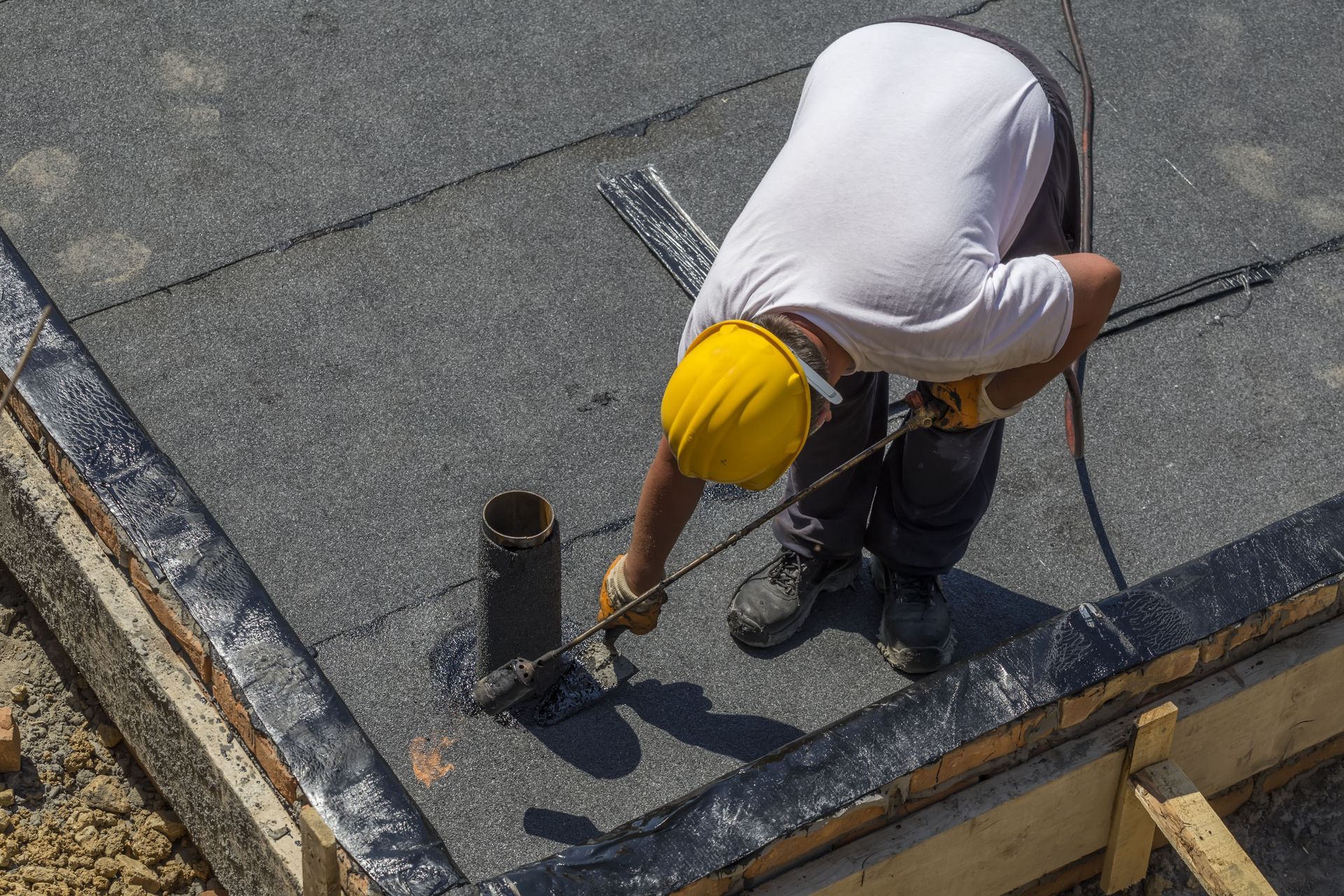
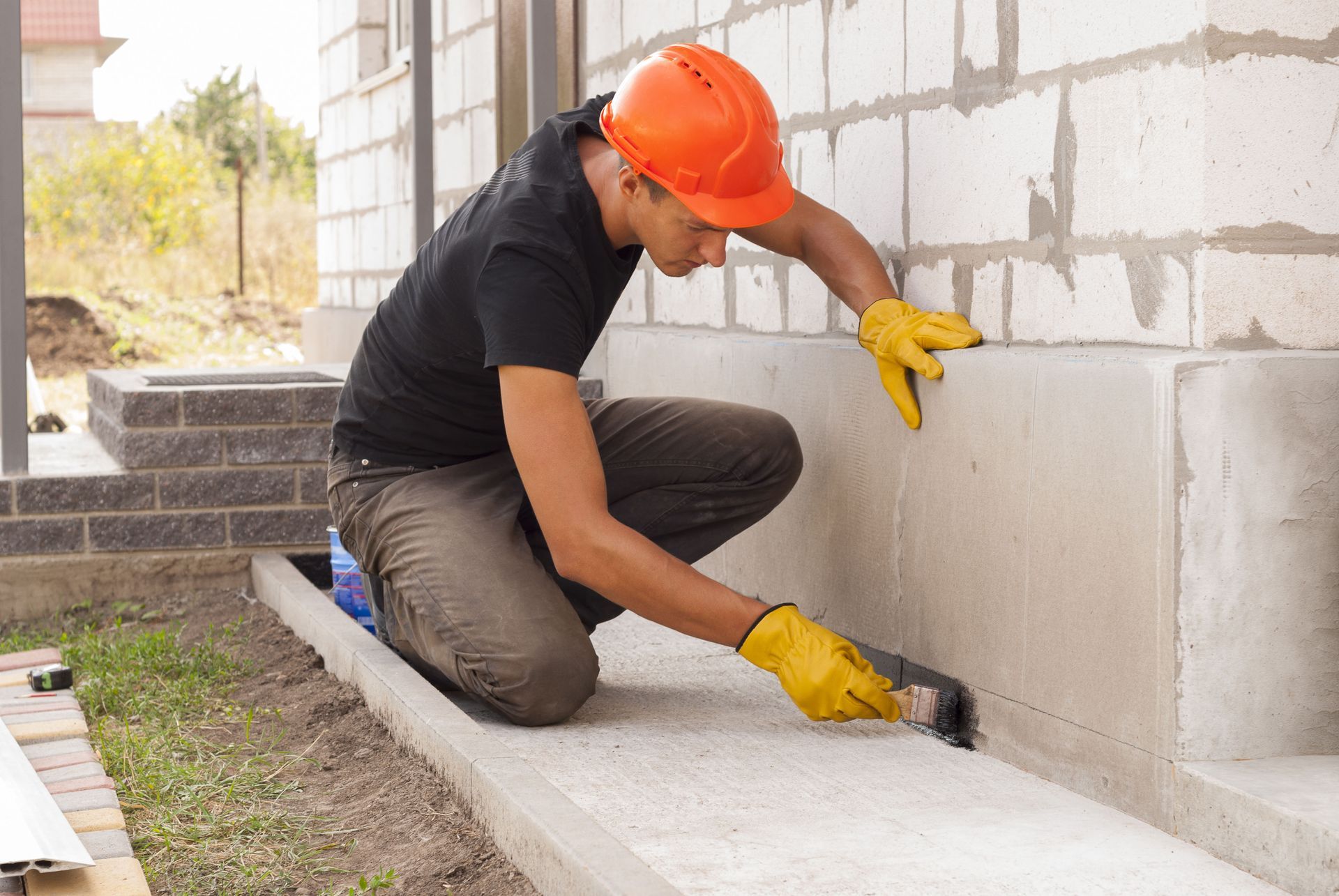
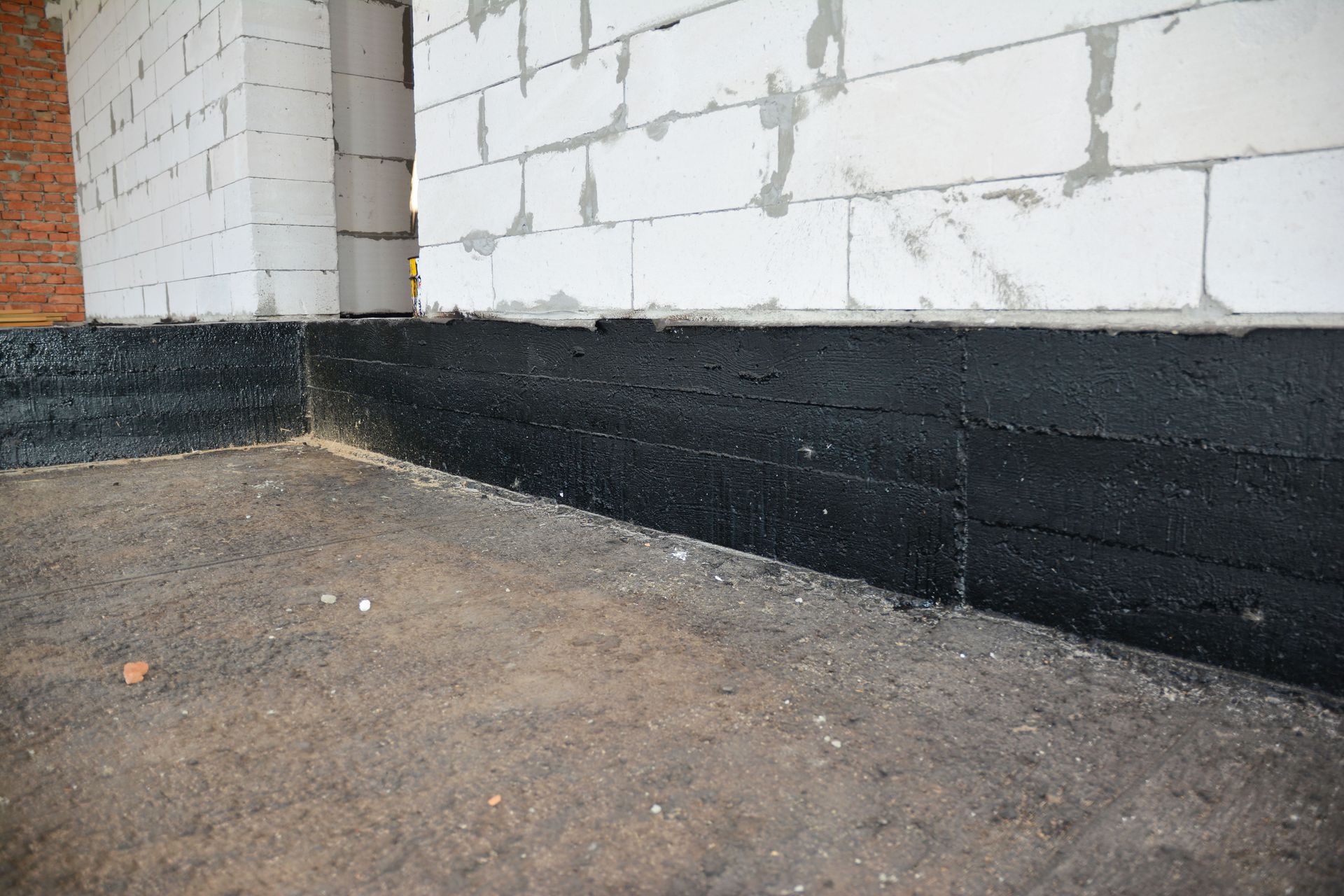
Crack sealing and waterproofing are essential steps in any comprehensive foundation repair process. Cracks allow water to penetrate the foundation, exacerbating structural damage and promoting mold growth and wood rot. Techniques for sealing cracks include epoxy injections and polyurethane foam applications, which fill the gaps and create a barrier against moisture intrusion. Implementing waterproofing measures, such as membrane applications and sealant coatings, further protects the foundation by repelling water and ensuring durability. These methods are critical, especially in regions prone to heavy rain and flooding.
Waterproofing, in particular, plays a significant role in preserving foundation integrity over time. It involves creating a protective layer that surrounds the foundation, preventing water from seeping through porous materials. Where cracks are left untreated, potential damage can lead to significant structural issues, such as foundation settlement or basement flooding. Thus, proactive waterproofing reduces long-term repair costs and supports the structural health of a home.
By combining crack-sealing techniques with waterproofing, homeowners can mitigate water-related risks significantly. These protective measures are not only preventive but also curative, addressing existing damage while fortifying against new threats. By sealing cracks and ensuring water is directed away from the foundation through proper drainage, homes can withstand environmental stresses more effectively. The increase in storm frequency and intensity makes these interventions even more imperative, providing a line of defense against potential harm. Overall, the combination of sealing and waterproofing forms an essential aspect of a multifaceted approach to foundation repairs.
Foundation repair services play a vital role in fortifying homes against the damaging effects of storms, safeguarding both structural integrity and occupant safety. By addressing common vulnerabilities, employing advanced repair techniques, and embracing technological innovations, homeowners can significantly reduce the risks associated with foundation damage. Furthermore, proactive measures, such as routine inspections and strategic landscaping, complement repair efforts, resulting in durable and resilient foundations capable of withstanding environmental stresses. If you are looking for foundation repair services near you, contact Raise Right Foundation & Slab today.

Share On: