
Why Foundation Waterproofing Matters More Than You Think
Moisture beneath a home is one of the most overlooked threats to long-term structural stability. Water can enter through soil saturation, hydrostatic pressure, and small cracks that gradually expand over time. These issues often begin silently, making them difficult for homeowners to detect until significant damage has already occurred. Over time, even minor moisture exposure can weaken concrete, encourage mold growth, and compromise indoor air quality.
Proper foundation waterproofing helps create a protective barrier between a home’s structural base and surrounding groundwater. Without this layer of defense, water can steadily accumulate around the foundation, increasing pressure and allowing seepage into basements and crawl spaces. Addressing moisture risks early is essential for preserving both structural integrity and interior comfort.
Recognizing Early Signs of Basement Water Intrusion
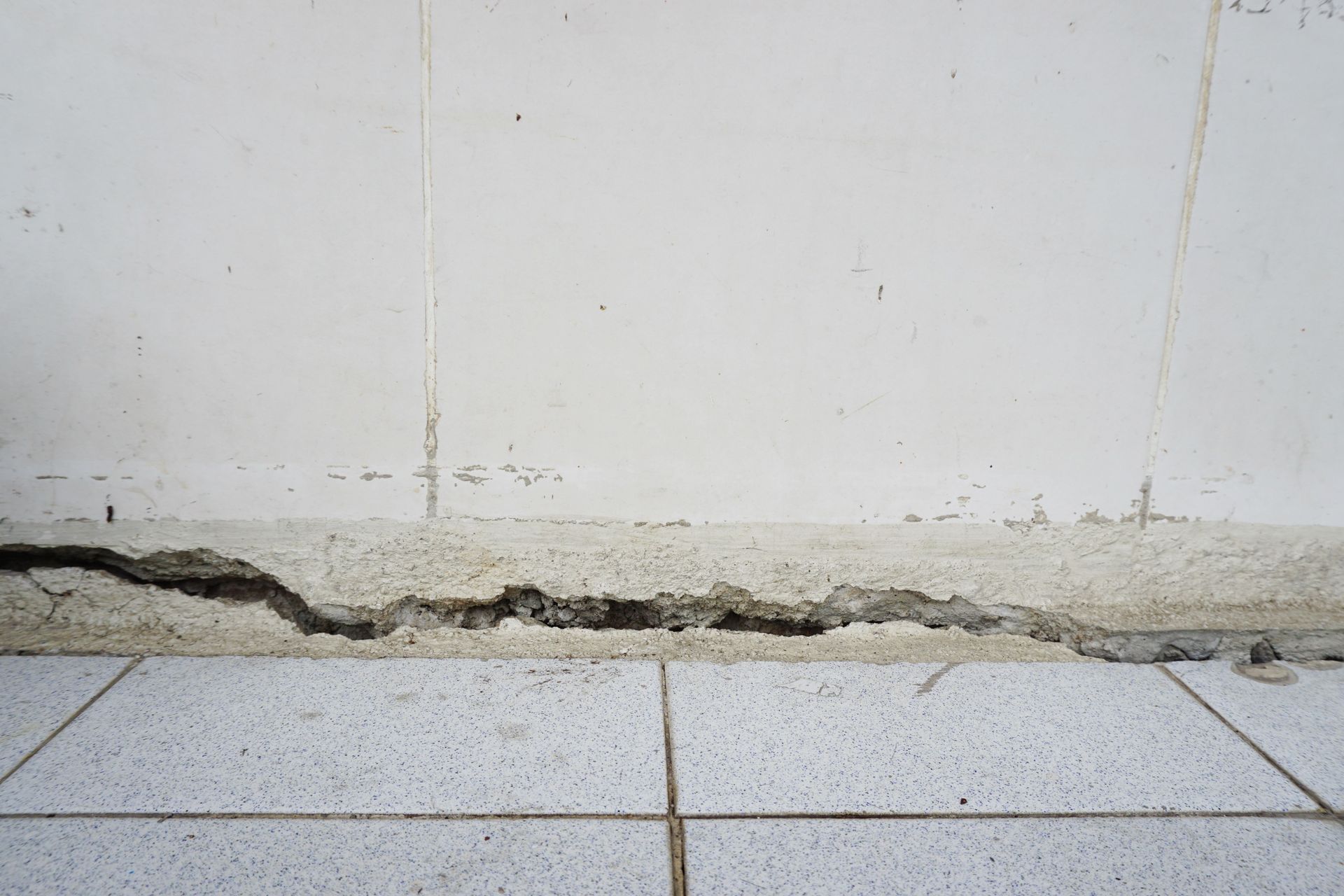
Water intrusion rarely happens all at once. Instead, it develops gradually through subtle warning signs that are often ignored. Common indicators include damp walls, musty odors, peeling paint, white chalky residue on concrete, and minor pooling after heavy rain. These symptoms suggest that water is already finding its way into the structure.
Foundation waterproofing becomes especially important at this stage because early intervention can prevent small issues from escalating. When moisture is caught early, repairs are typically more manageable and less costly. However, if ignored, these warning signs often progress into more severe structural concerns, including foundation cracks and persistent flooding.Homeowners who pay attention to early signals are more likely to avoid long-term damage and expensive restoration work.
Understanding Long-Term Structural Damage Risks
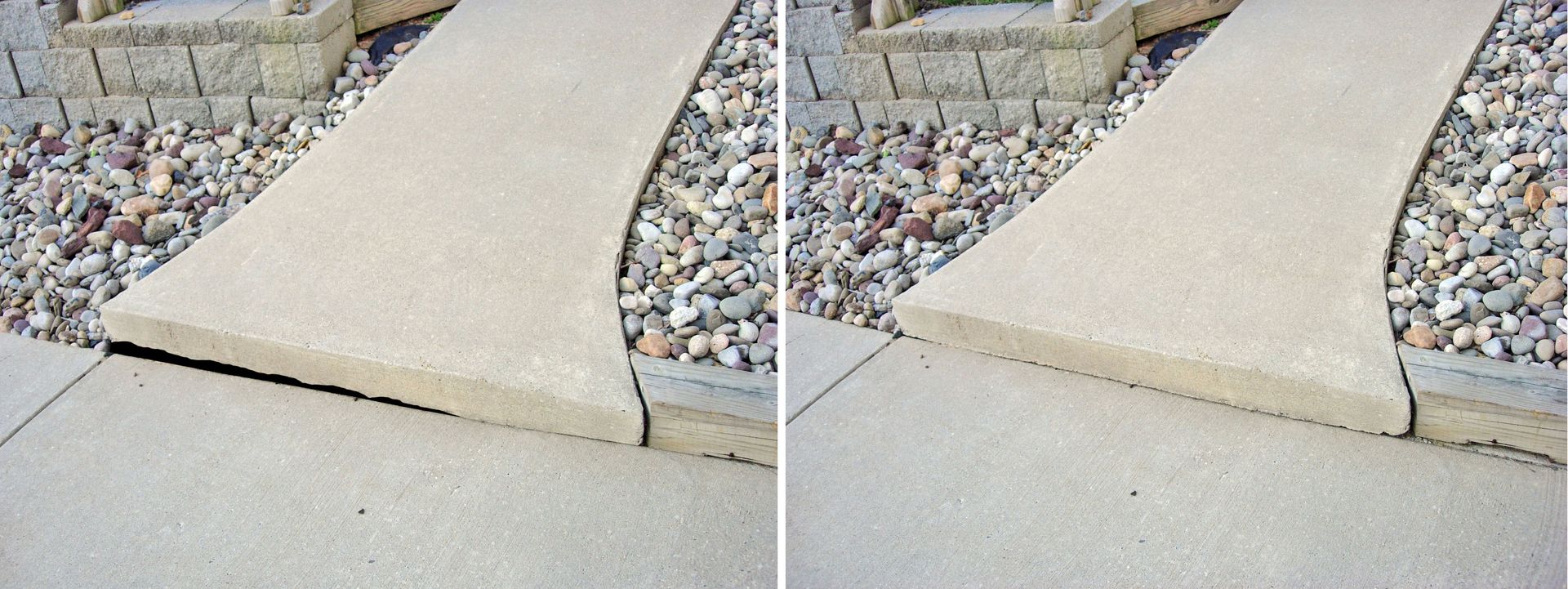
When water repeatedly enters a foundation over time, it begins to weaken the structural components of a home. Concrete can deteriorate, steel reinforcement may corrode, and soil displacement can lead to uneven settling. These issues not only affect the basement but can also impact walls, flooring, and overall home stability.
Implementing foundation waterproofing helps reduce these risks by limiting prolonged exposure to moisture. Once water infiltrates structural materials, damage often progresses internally where it is not immediately visible. This makes early prevention far more effective than reactive repairs. Long-term exposure to moisture can also reduce property value, as structural issues are among the most serious concerns in real estate evaluations.
Exploring Common Sources of Water Entry
Water can enter a foundation through multiple pathways, many of which are not obvious at first glance. Poor grading around the home, clogged drainage systems, and cracks in foundation walls are among the most common causes. Additionally, saturated soil after heavy rainfall can increase hydrostatic pressure, forcing water through even the smallest openings.
Effective foundation waterproofing addresses these vulnerabilities by creating both external and internal barriers against moisture intrusion. It works in combination with drainage systems to redirect water away from the structure before it can accumulate. Identifying the source of water entry is essential for selecting the right solution and ensuring long-term effectiveness. Without addressing these root causes, even minor water issues can become recurring problems.
Understanding Drainage and Grading Importance
Proper drainage and grading play a major role in keeping water away from a home’s foundation. When soil slopes toward the structure instead of away from it, water naturally collects near the base of the home. Over time, this increases the likelihood of seepage and basement moisture problems.
Incorporating foundation waterproofing alongside proper grading helps create a comprehensive defense system. While waterproofing protects the structure itself, grading ensures that water is directed away before it reaches the foundation. Gutters, downspouts, and exterior drainage systems also contribute to this protective process. When these systems work together effectively, the risk of long-term water damage is significantly reduced.
Evaluating Interior and Exterior Protection Methods
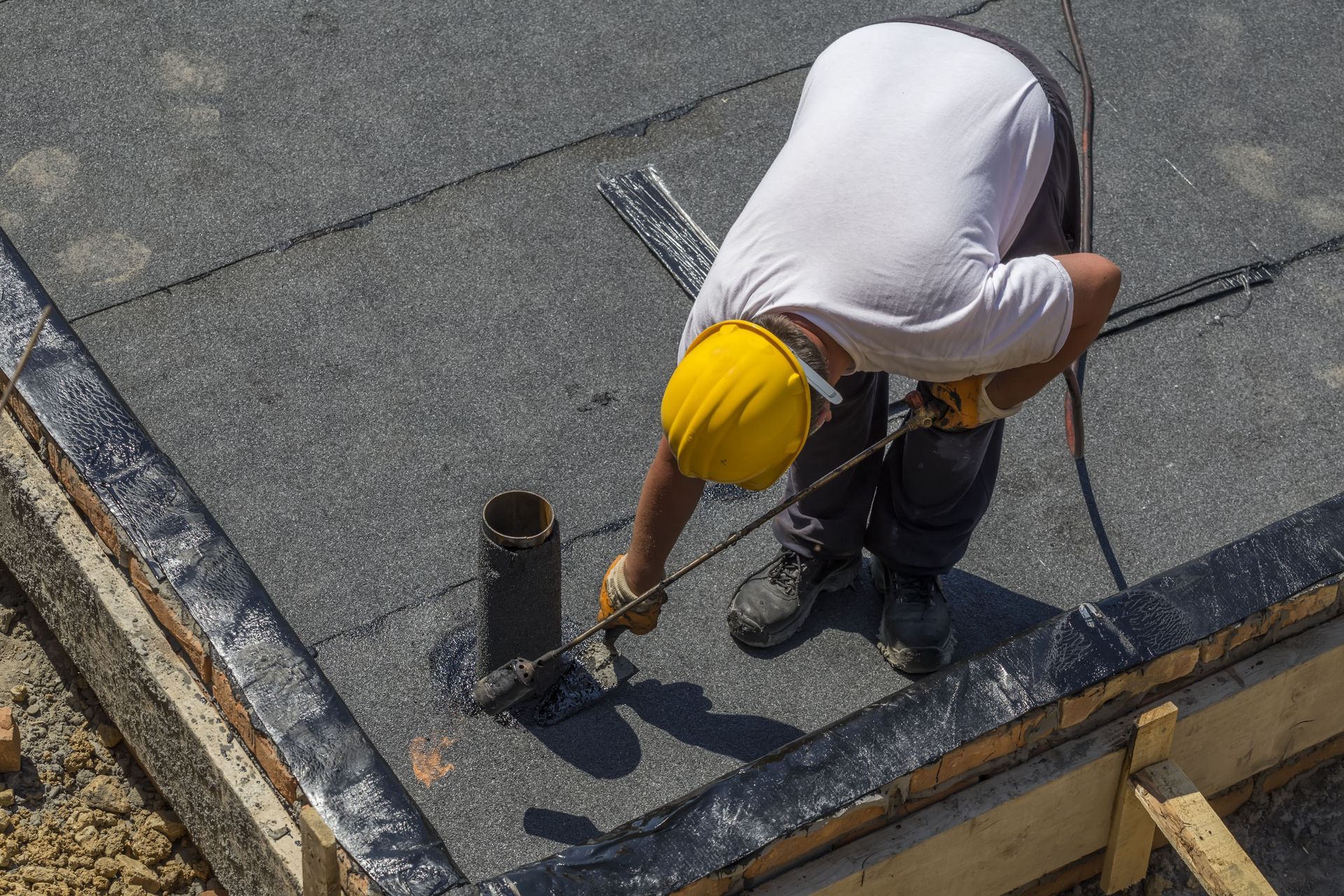
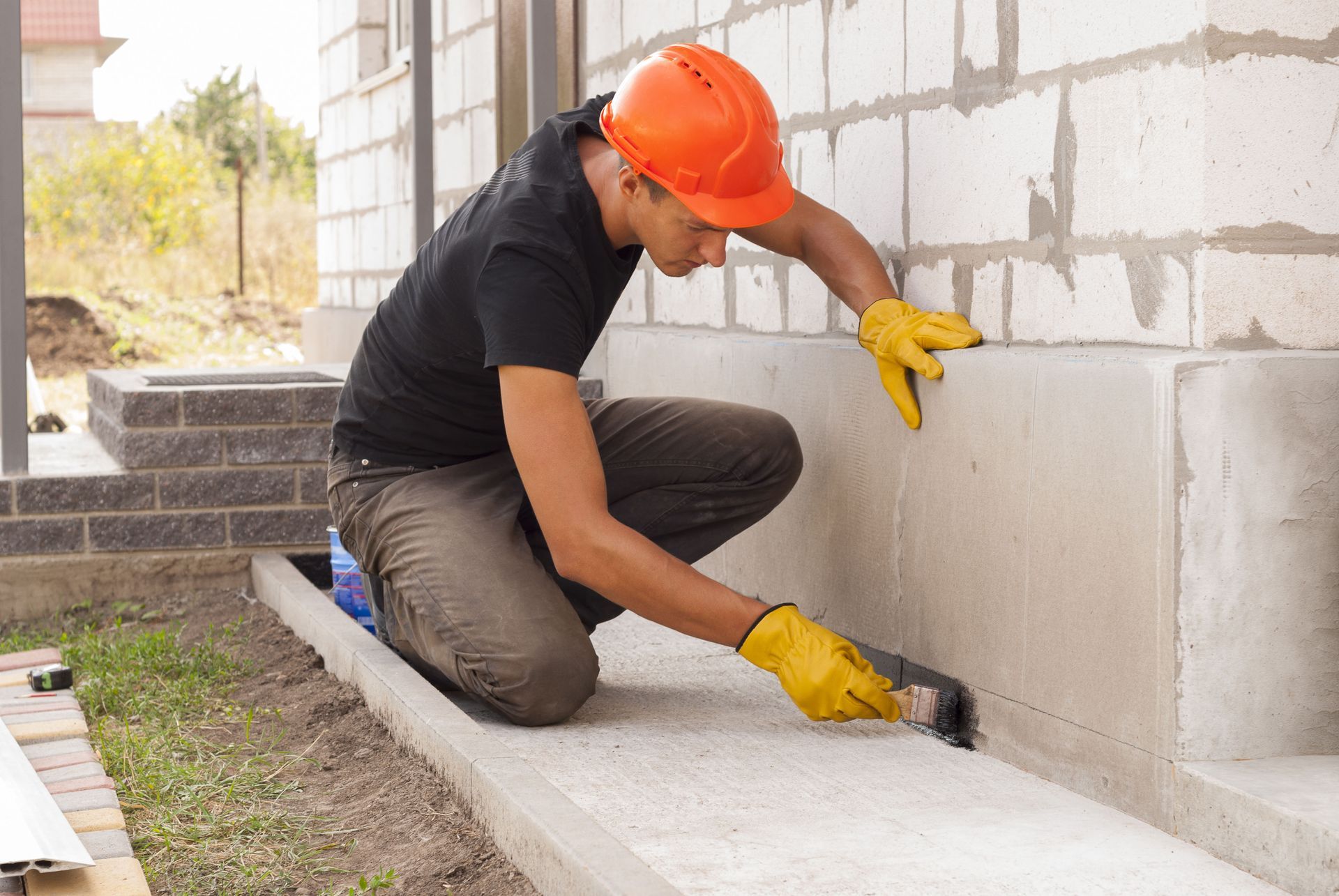
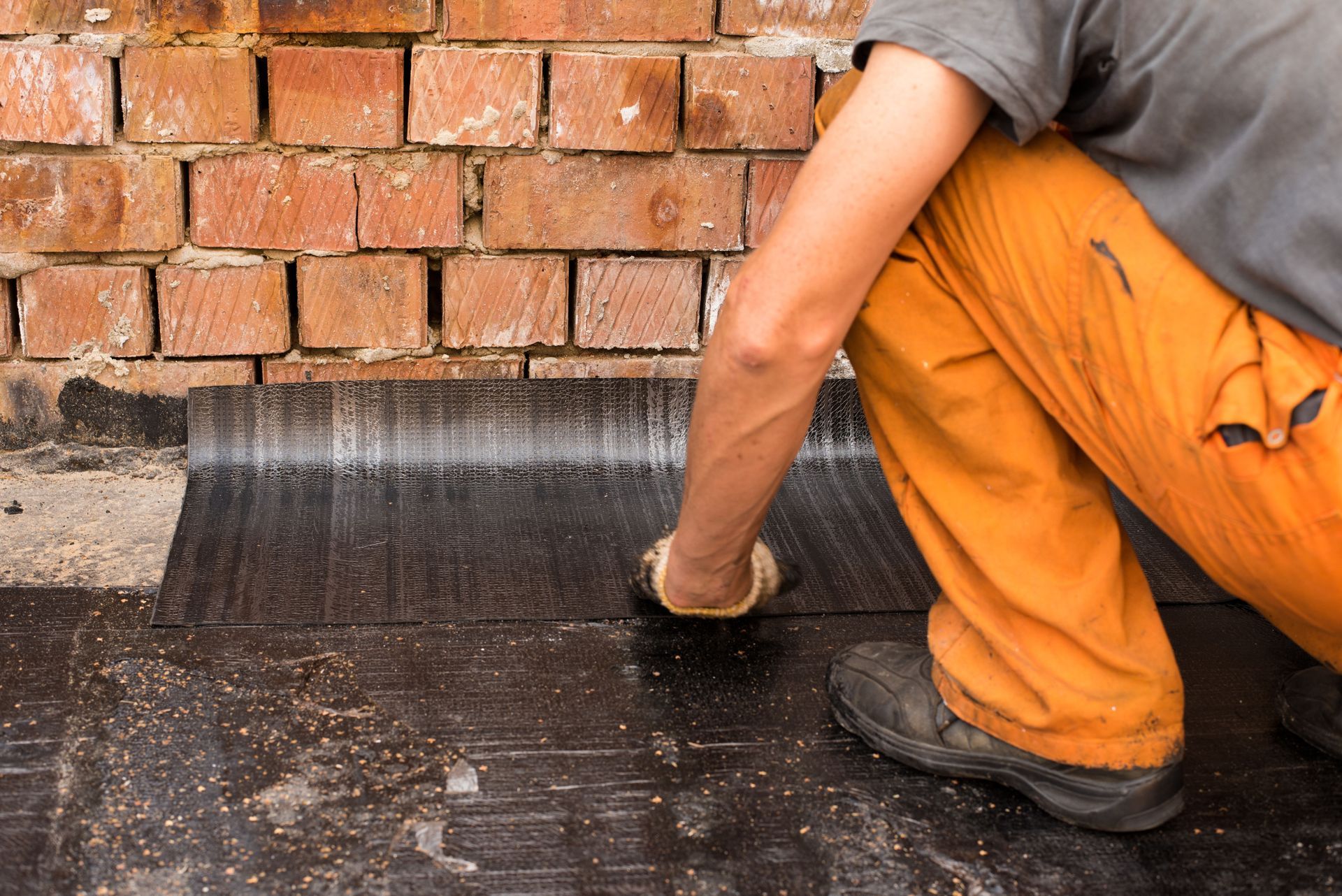
There are two primary approaches to protecting a foundation from water damage: interior and exterior methods. Exterior systems focus on preventing water from entering the structure in the first place, often using membranes, coatings, and drainage solutions. Interior systems, on the other hand, manage water that has already entered by redirecting it away through sump pumps and drainage channels.
Combining both methods with foundation waterproofing provides a more complete solution. While exterior protection reduces exposure, interior systems act as a secondary safeguard during extreme conditions. The most effective moisture control strategies often involve a layered approach that addresses both prevention and management. Choosing the right method depends on soil conditions, climate, and the existing condition of the foundation.
Understanding Real-World Risk and Moisture Impact
Basement water damage is far more common than many homeowners realize, and research highlights just how widespread the issue can be. According to findings reported by Rainbow Restoration, nearly all basements in the United States — approximately 98% — will experience some form of water-related damage during their lifetime. In simpler terms, this means that basement moisture is not an occasional issue but a near-universal risk that most homeowners will eventually face.
This statistic highlights why foundation waterproofing is not just a preventive upgrade but a necessary measure for long-term property protection. With such a high likelihood of water exposure over time, preparing a home’s foundation becomes essential rather than optional. Even homes that appear dry today may still be vulnerable to future moisture intrusion due to shifting soil conditions and weather patterns. Understanding this level of risk helps homeowners take proactive steps before damage occurs rather than reacting after problems appear.
Preventing Future Damage With Proactive Care
Preventive maintenance is one of the most effective ways to protect a home from foundation-related issues. Regular inspections, gutter cleaning, grading adjustments, and crack sealing all contribute to keeping moisture under control. Addressing small issues early can significantly reduce the likelihood of major structural damage later.
Consistent foundation waterproofing maintenance ensures that protective systems remain effective over time. Even the best-installed systems require periodic evaluation to ensure they are functioning properly. Seasonal changes, heavy rainfall, and soil movement can all affect how well a foundation resists water intrusion. By staying proactive, homeowners can extend the life of their foundation and reduce long-term repair costs.
Understanding Environmental and Seasonal Influences
Environmental conditions play a significant role in how water interacts with a home’s foundation. Heavy rainfall, snowmelt, and fluctuating temperatures all contribute to changing soil conditions. In colder climates, freeze-thaw cycles can also cause expansion and contraction in soil, increasing pressure on foundation walls.
Applying foundation waterproofing helps stabilize the structure against these environmental changes. While weather conditions cannot be controlled, their impact can be managed through proper protection systems. Homes that are not adequately prepared for seasonal shifts are more likely to experience cracks, leaks, and long-term moisture problems. Understanding these environmental influences allows homeowners to plan more effectively for year-round protection.
Understanding Repair Challenges and Restoration Complexity
Once water damage occurs, repairing a foundation can become a complex and costly process. Restoration may involve structural reinforcement, crack injection, drainage correction, and mold remediation. The severity of repairs often depends on how long the moisture problem has been present.
Strong foundation waterproofing helps reduce the likelihood of reaching this stage by addressing vulnerabilities before damage escalates. Preventive systems are significantly easier to maintain than repairing structural damage after it has already occurred. In many cases, early intervention can eliminate the need for extensive restoration altogether. This makes proactive protection a far more efficient approach to long-term home maintenance.
A home’s foundation is its most critical structural component, and protecting it from moisture is essential for long-term stability. Water intrusion can lead to structural weakening, interior damage, and costly repairs if left unaddressed. Understanding the causes, warning signs, and long-term risks helps homeowners make informed decisions about protection strategies.
For reliable solutions and expert guidance, Raise Right Foundation & Slab provides professional support designed to safeguard homes from water-related damage. Their team specializes in creating durable systems that strengthen foundations and improve long-term resilience. Protect your home before moisture becomes a problem — contact Raise Right Foundation & Slab today to learn how expert foundation waterproofing solutions can help secure your property for years to come.

Share On: