The Mechanics of Professional Mud Jacking
Managing and repairing large, heavy concrete surfaces presents distinct challenges that require specialized technical solutions. Ordinary repair methods often fall short, particularly when dealing with deep soil settlement and foundational instability under heavy slabs. Choosing a professional mud jacking service emerges as a highly practical approach, offering excellent efficiency and structural power when managing shifted surfaces.
Learning the core mechanics of how these processes function helps property owners make smart maintenance decisions. Relying on professional intervention is necessary when dealing with heavy infrastructure, as skilled technicians ensure your concrete slabs return to their proper positions without causing extra damage.
Understanding Slabs and Lift Methods
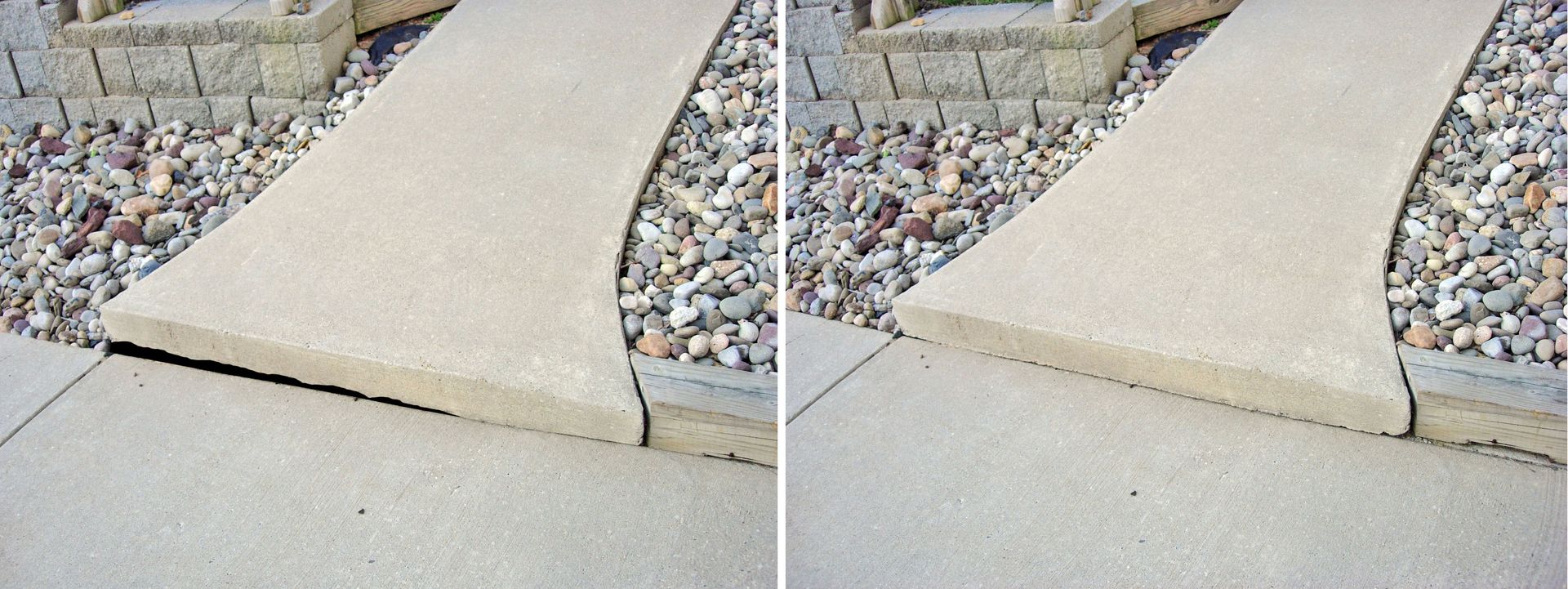
Mud jacking is an established plumbing and concrete repair technique used to lift and stabilize sunken concrete walkways, driveways, and floor slabs. The process begins when technicians drill small, strategic access holes through the affected concrete surface. Next, a customized slurry mixture containing water, Portland cement, and local soil or sand is pumped directly beneath the slab using hydraulic pressure.
This thick infusion fills empty subterranean voids, creating an upward force that carefully raises the concrete back to its original position. A key advantage of this method is the immense hydraulic lifting power it generates beneath the slab. For instance, according to structural tracking from HomeGuide, professional mud jacking can lift between 6,000 and 14,000 pounds per square foot, making it highly effective for heavy residential and commercial leveling needs.
Reviewing Construction History and Progress
This concrete lifting method has a long history that spans several decades, starting as a simple way for property owners to fix sunken walkways around their homes. Over the years, the core process has progressed significantly by incorporating dense technical materials and highly precise pumping machinery.
Once reserved for basic backyard paths, modern methods handle large-scale industrial floors and public roadways. This mechanical progress reflects a growing demand for cost-effective, sustainable repairs that fix existing building materials instead of tearing them out.
Comparing Alternative Slab Lifting Methods
When comparing traditional mud jacking to alternative methods like polyurethane foam leveling or full slab replacement, several specific structural differences become apparent. Foam leveling utilizes a synthetic material that expands beneath the surface, which offers a fast cure time but often carries a much higher material cost. Complete concrete demolition, on the other hand, requires heavy jackhammers and creates significant landfill waste.
Identifying Ideal Concrete Projects
Finding the right candidates for an application requires a thorough structural evaluation of the damaged area. Technicians must examine the overall depth of the settlement and check the texture of the underlying soil layers. Slabs that have sunk due to water erosion or minor soil packing are ideal candidates for hydraulic lifting.
Conversely, if the concrete slab is completely shattered into small fragments or sits on actively shifting swamp mud, alternative structural methods may be required. Catching minor sinking early allows you to use a non-invasive slurry lift before the concrete cracks permanently.
Reviewing Compatible Structural Varieties
This specialized lifting method fixes a wide variety of sunken outdoor and indoor concrete configurations:
- Residential Spaces: Leveling sloped driveways, unlevel sidewalks, sagging pool decks, and uneven front porches.
- Commercial Zones: Lifting settled warehouse floors, heavy loading docks, and cracked retail parking lots.
- Municipal Facilities: Re-leveling public school walkways, unlevel city curbs, and sunken highway approach slabs.
Spotting Early Settlement Indicators
Recognizing the early warning signs of an unlevel concrete base allows you to schedule repairs before your plumbing lines or structural walls face severe stress. Common indicators include visible pooling water on your driveway, uneven sidewalk joints that create trip hazards, or exterior doors that stick in their frames.
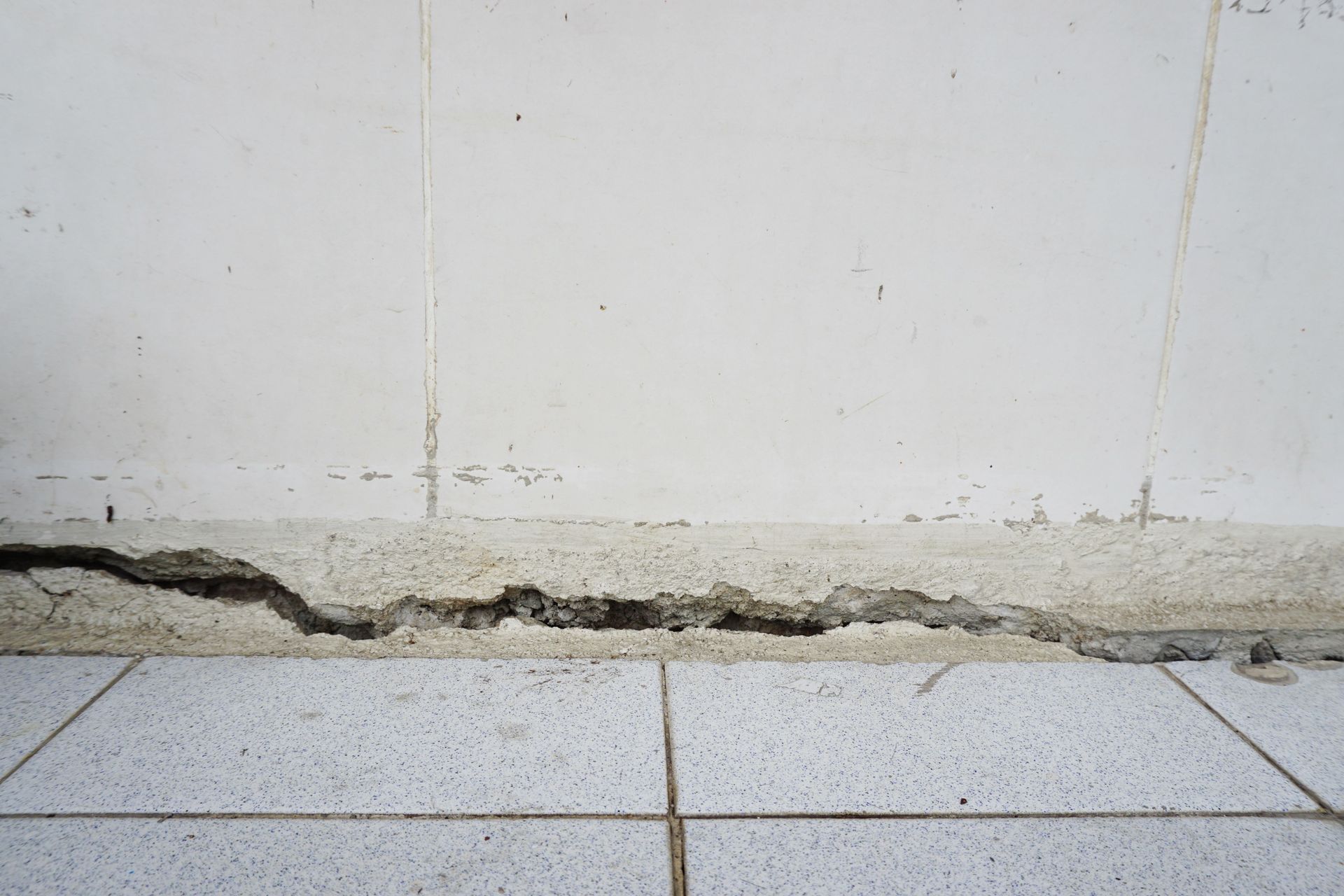
Additionally, look for long cracks appearing across your garage floor or separating brick lines along your foundation. Addressing these settlement symptoms early protects your property value and eliminates the need for expensive structural replacements.
Analyzing Equipment and Slurry Chemistry
The success of a project depends heavily on the use of specialized hydraulic pumping machinery. These heavy-duty truck-mounted pumps are precisely calibrated to push the thick slurry through narrow hoses without binding.
Experienced operators monitor the pressure gauges constantly to deliver a smooth, controlled lift across the entire surface of the concrete. Maintaining these commercial pumps ensures that the slurry spreads evenly into every hidden underground pocket, preventing localized stress fractures in your concrete.
Compounding the Slurry Mix
The lifting material used in mud jacking is a carefully balanced compound engineered to flow smoothly under pressure and harden into a dense, rock-like base. Technicians mix specific ratios of water, clean sand, pulverized soil, and standard cement to match the load requirements of your project.
This compound can be adjusted on-site to handle unique environmental factors, such as high moisture levels or dense clay pockets. Pumping a properly mixed slurry ensures that the void beneath your concrete stays completely stabilized, preventing future sinking.
Executing Precise Hole Patterns
Drilling the entry holes requires careful planning to ensure the lifting force is distributed evenly across the unlevel slab. Technicians drill small holes in a grid pattern, focusing on the lowest points of the sunken concrete.
Pumping the slurry into these holes in short, alternating cycles allows the slab to rise uniformly, preventing corners from binding against adjacent walls. Once the lifting phase is complete, the holes are patched with matching concrete, leaving a smooth, level surface.
Evaluating Economic and Environmental Benefits
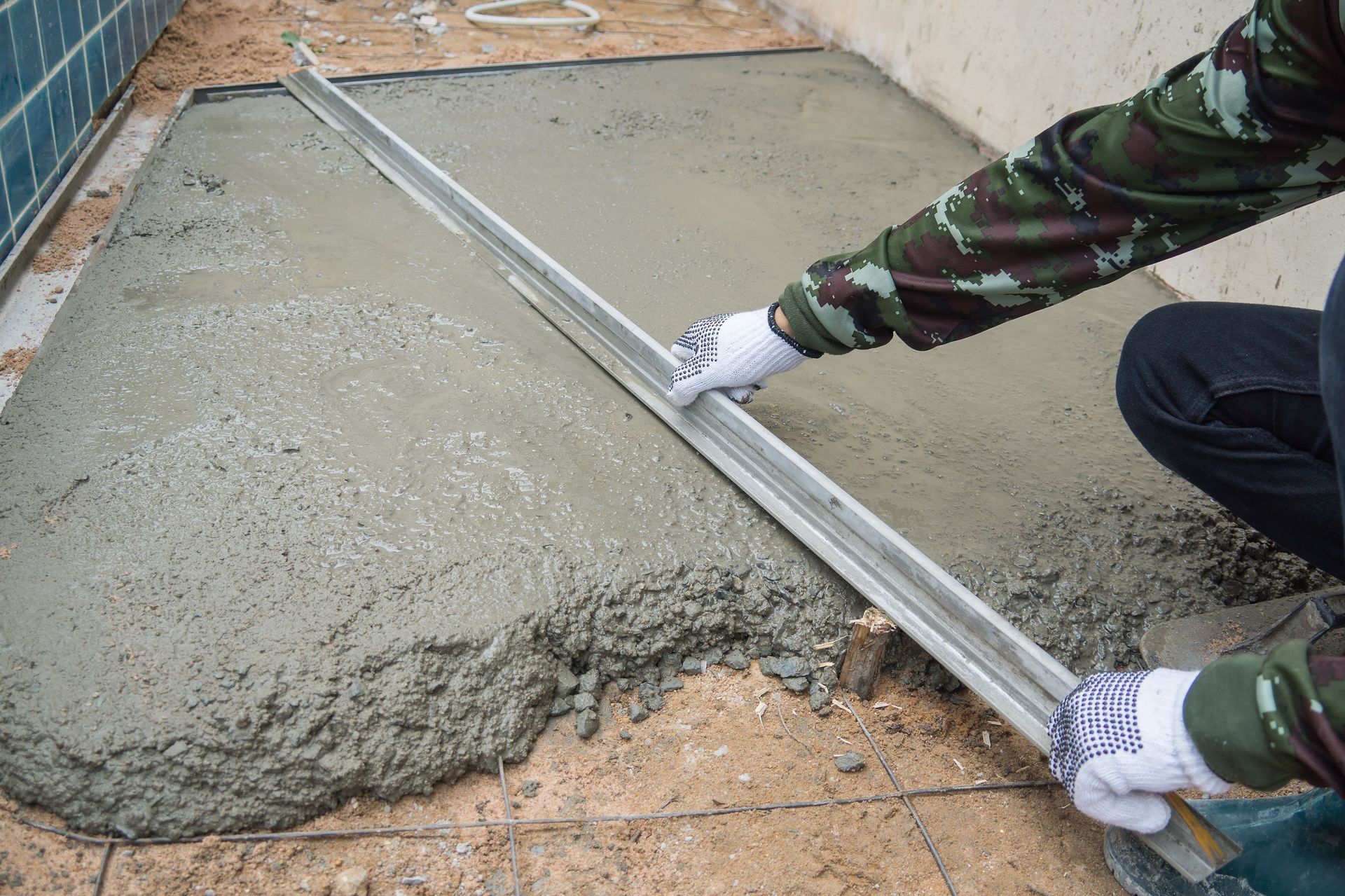
Choosing mud jacking over full concrete replacement provides immediate financial savings for homeowners and commercial property managers. Tearing out an old concrete driveway requires hiring heavy demolition crews, paying landfill disposal fees, and purchasing an entirely new batch of wet cement.
A professional slurry injection bypasses these expensive installation steps by utilizing your existing concrete. These direct labor and material savings make hydraulic lifting a highly economical choice for property maintenance budgets.
Minimizing Commercial Business Disruptions
For local businesses and municipal facilities, project speed is just as important as the overall repair budget. Complete concrete pouring requires closing off access roads, parking lots, or warehouse aisles for several days while the new mixture cures.
A mud jacking application can usually be completed in just a few hours, and the stabilized surface can handle full structural traffic almost immediately. Minimizing this operational downtime keeps your business running smoothly without losing valuable daily productivity.
Protecting Local Ecosystems
Fixing your existing concrete assets is an environmentally responsible choice that aligns with modern green building habits. Because this process lifts your original slab, it stops tons of old concrete debris from filling up local landfills.
The slurry mix relies on natural earth materials like sand and soil, ensuring that no toxic chemicals seep into the surrounding water table. Choosing a localized slurry repair lowers your property's environmental footprint while extending the life of your building materials.
Avoiding unproven DIY repair kits and cheap foam patches is the most effective way to keep your outdoor surfaces safe, level, and functional. Relying on professional services ensures that the deep empty spaces beneath your sunken concrete are filled with a dense, long-lasting structural base. Taking care of your driveways, sidewalks, and floor slabs at the same time protects your original real estate equity and keeps your property compliant with local safety codes.
When your property needs long-lasting structural care, selecting experienced assistance is the best way to safeguard your infrastructure. You can coordinate with Raise Right Foundation & Slab to evaluate your concrete alignment and handle your maintenance needs. Investing in timely property care stabilizes your surfaces and provides a reliable, lasting baseline that keeps your outdoor walkways and indoor floors functional for the future.

Share On: