
Protect Your Structural Integrity With Expert Foundation Repair
The structural integrity of a building depends heavily on its foundation. When structural issues develop, timely foundation repair is necessary to prevent expensive damage and protect the property's long-term value. A stable foundation supports the entire structure, helping maintain proper alignment, safety, and durability. Even small foundation concerns can become more serious when they are ignored, making early identification and professional solutions essential for homeowners and property managers.
A foundation is one of the most important components of any building because it supports the entire structure and helps distribute weight evenly into the surrounding soil. When foundation concerns are overlooked, small issues can develop into larger problems that affect the safety, appearance, and functionality of the property. Regular inspections and preventative maintenance allow homeowners to identify potential risks before they require more extensive solutions.
Common Damage Causes
Foundation problems typically develop because of changes in the soil beneath a structure. Settlement occurs when soil compresses or loses its ability to properly support the building, causing sections of the foundation to sink unevenly. This movement can create stress throughout the structure and lead to visible damage. On the other hand, heaving occurs when expansive soils absorb large amounts of moisture, swell, and push upward against the foundation. These repeated cycles of expansion and contraction can gradually weaken structural stability.
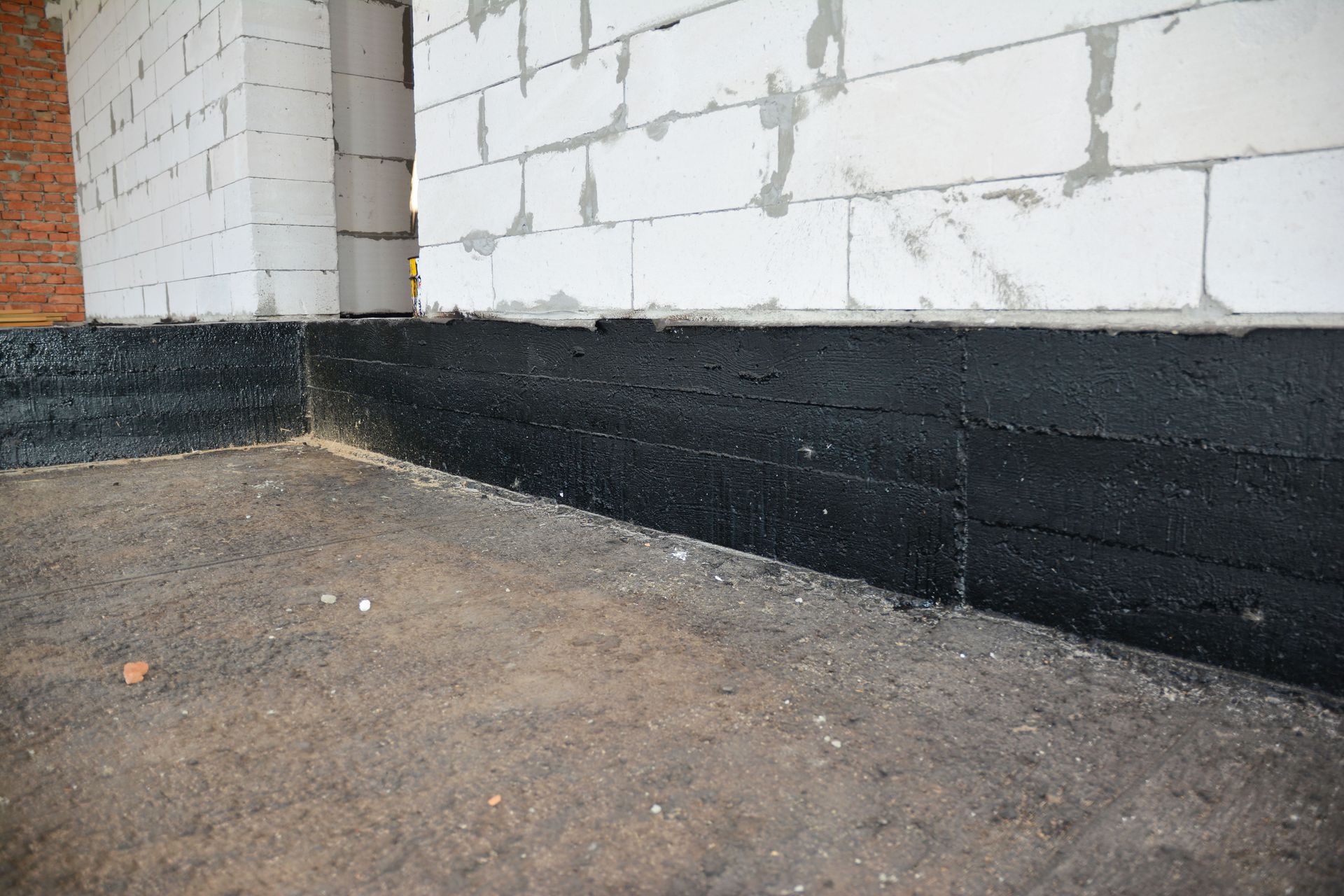
Environmental conditions play a major role in foundation performance. Heavy rainfall, poor drainage systems, plumbing leaks, and changing groundwater levels can all contribute to soil instability. When water collects near the base of a building, it can create pressure against foundation walls and accelerate deterioration. In colder climates, freezing and thawing cycles may also cause soil movement that affects the structure above.
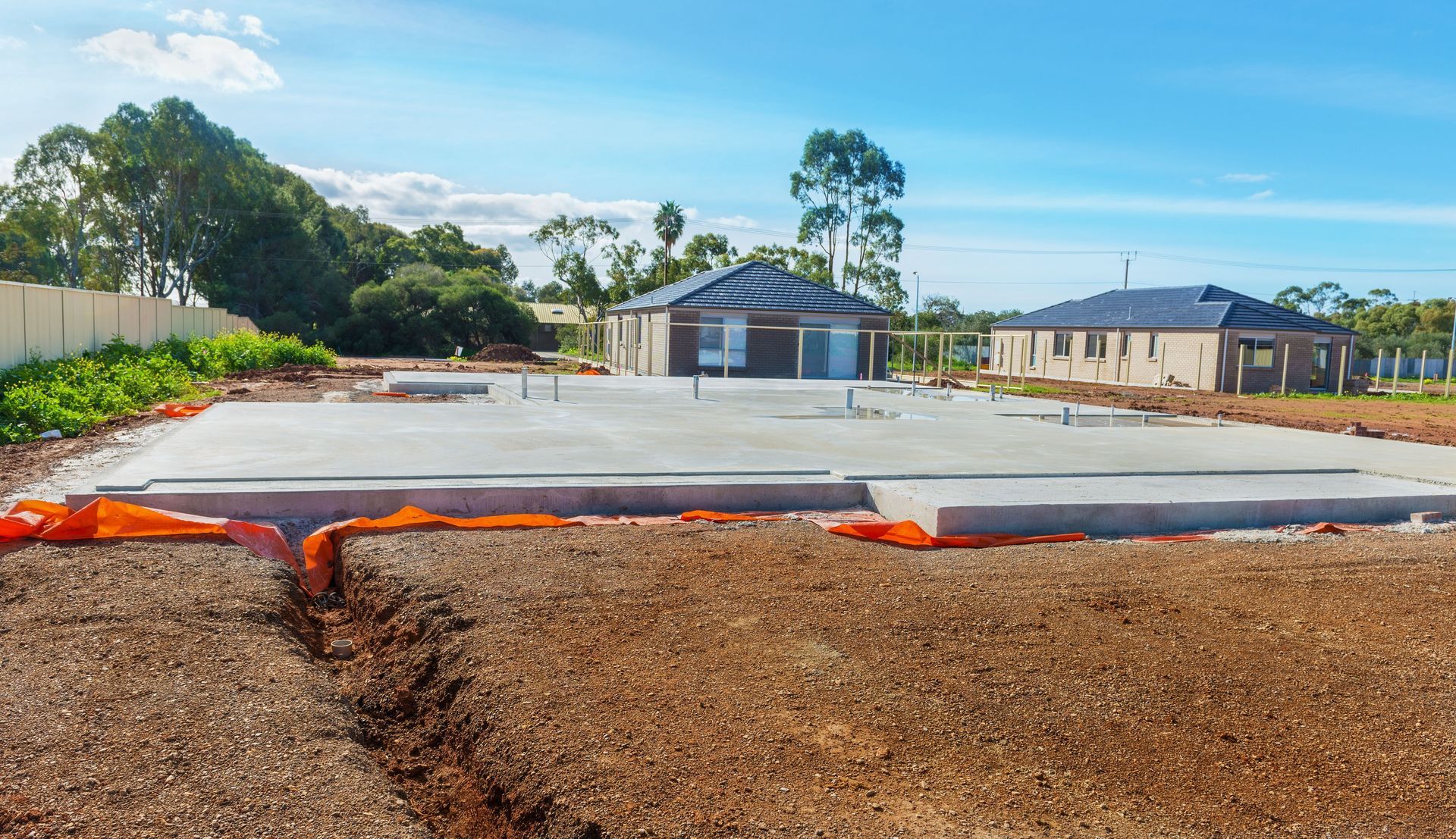
Construction quality is another important factor. Foundations built on improperly compacted soil or without proper drainage planning are more likely to experience problems over time. Poor initial preparation can leave a structure vulnerable to shifting, cracking, and uneven support. Addressing these concerns with professional foundation repair helps restore stability and prevents additional structural complications.
Foundation Damage Assessment
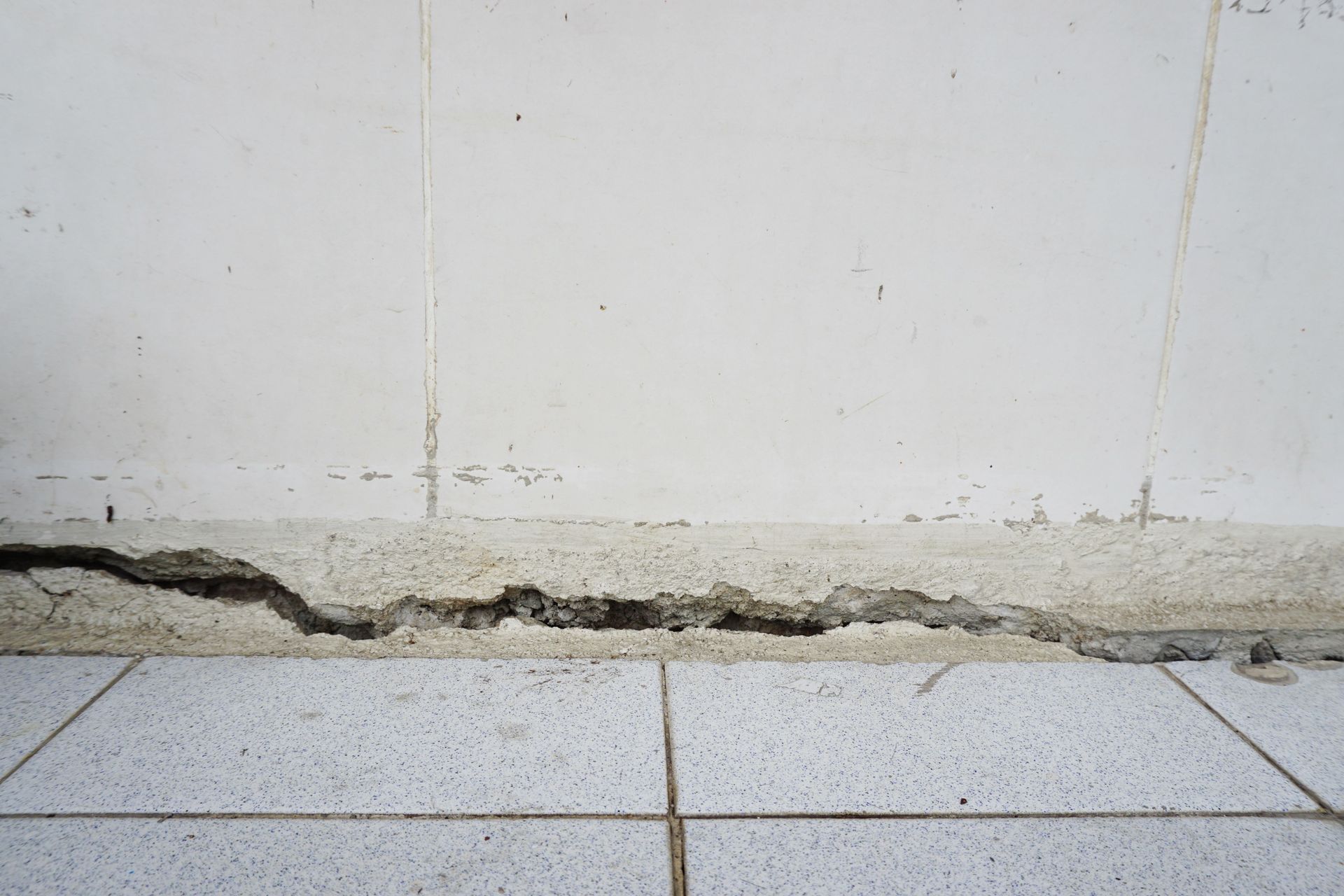
Recognizing early warning signs is one of the most effective ways to prevent extensive foundation damage. Homeowners should pay attention to changes throughout the property, including doors and windows that become difficult to open, gaps around frames, uneven floors, and cracks in walls or ceilings. Exterior signs may include stair-step cracks in brickwork, separation between walls and siding, or visible gaps around the foundation.
While some cracks may appear minor, they can indicate movement beneath the structure. The location, size, and progression of cracks often provide important information about the severity of the issue. A small crack that continues growing over time may require immediate attention, while a stable cosmetic crack may not represent a serious concern.
Professional inspections provide a more accurate understanding of foundation conditions. Specialists may use advanced measuring tools, moisture evaluations, and soil analysis to determine the cause of movement. These assessments help identify whether the issue is related to drainage, soil instability, structural stress, or another underlying problem.
Ignoring foundation warning signs can allow damage to spread. As the foundation shifts, walls, floors, plumbing systems, and other components of the building may experience additional stress. Addressing issues early through foundation repair can reduce the likelihood of more complicated and expensive restoration work in the future.
Expert Foundation Repair
Foundation problems require more than surface-level fixes. Professional contractors understand how different soil conditions, building materials, and structural designs affect repair methods. Their experience allows them to create solutions that address the root cause of the problem rather than simply covering up visible damage.
Every property presents unique challenges. A repair approach suitable for a small residential slab may not provide enough support for a larger multi-story structure. Older buildings may also require specialized techniques because of differences in construction methods and materials.
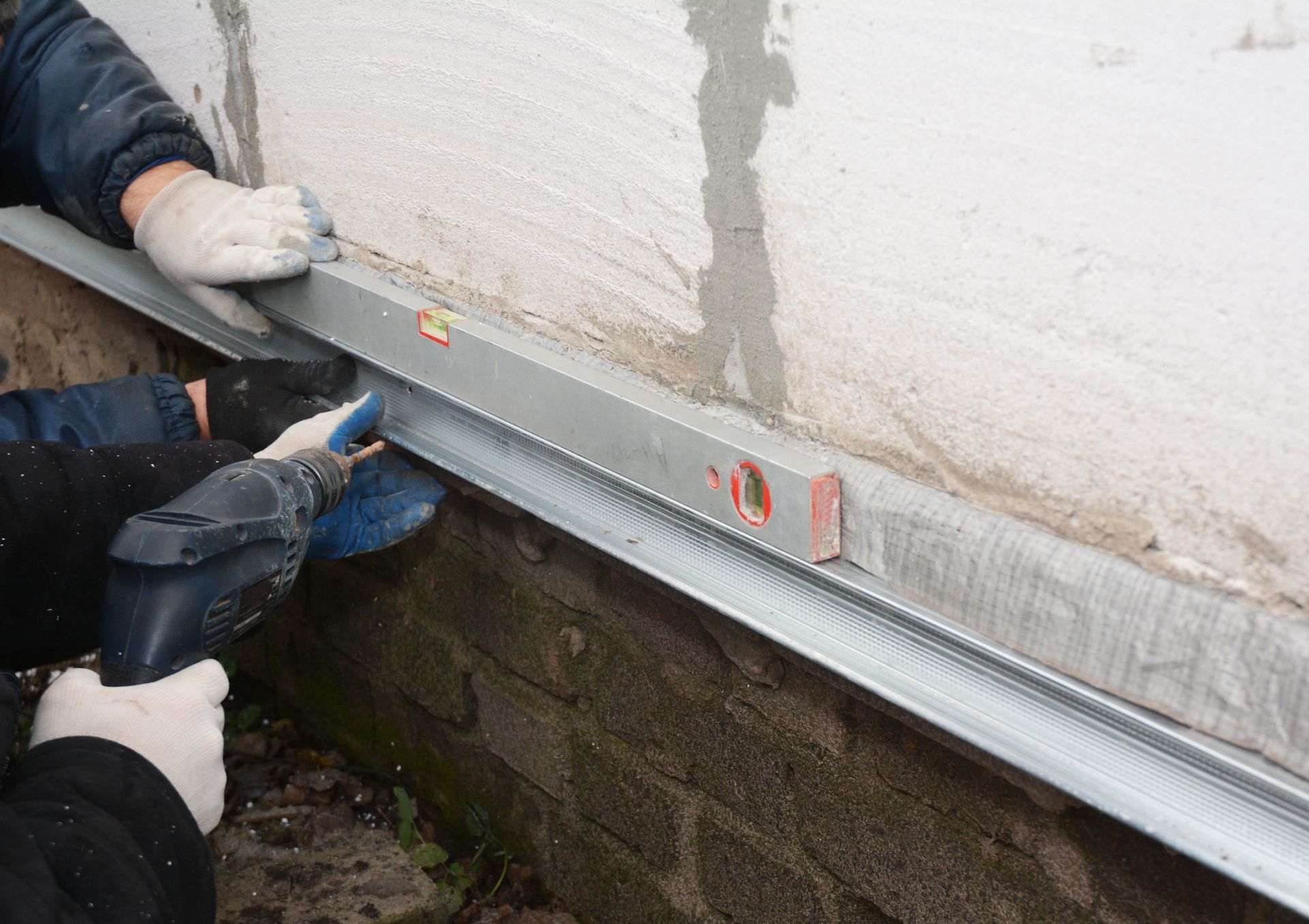
Professionals also use specialized equipment designed to safely correct structural issues. From precision leveling tools to hydraulic support systems, these technologies allow repairs to be completed with greater accuracy and efficiency. Choosing experienced professionals for foundation repair provides property owners with confidence that the work is performed correctly and safely.
Common Repair Techniques
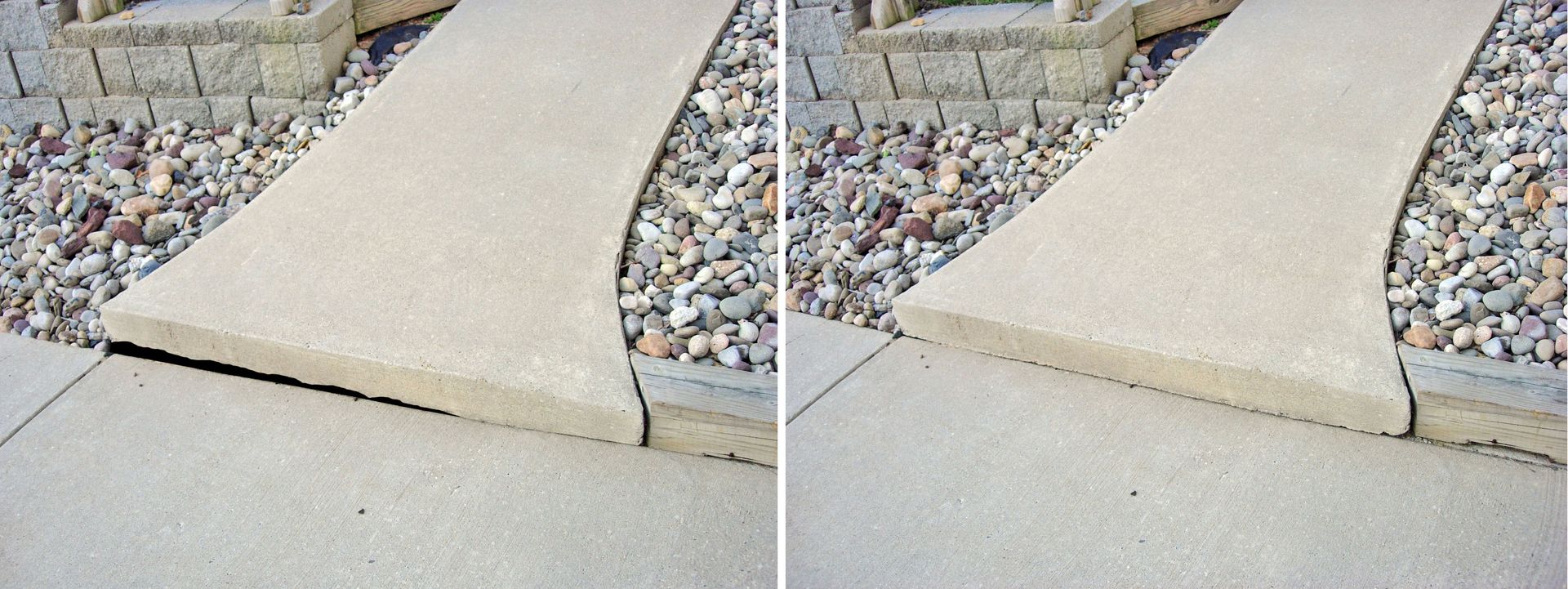
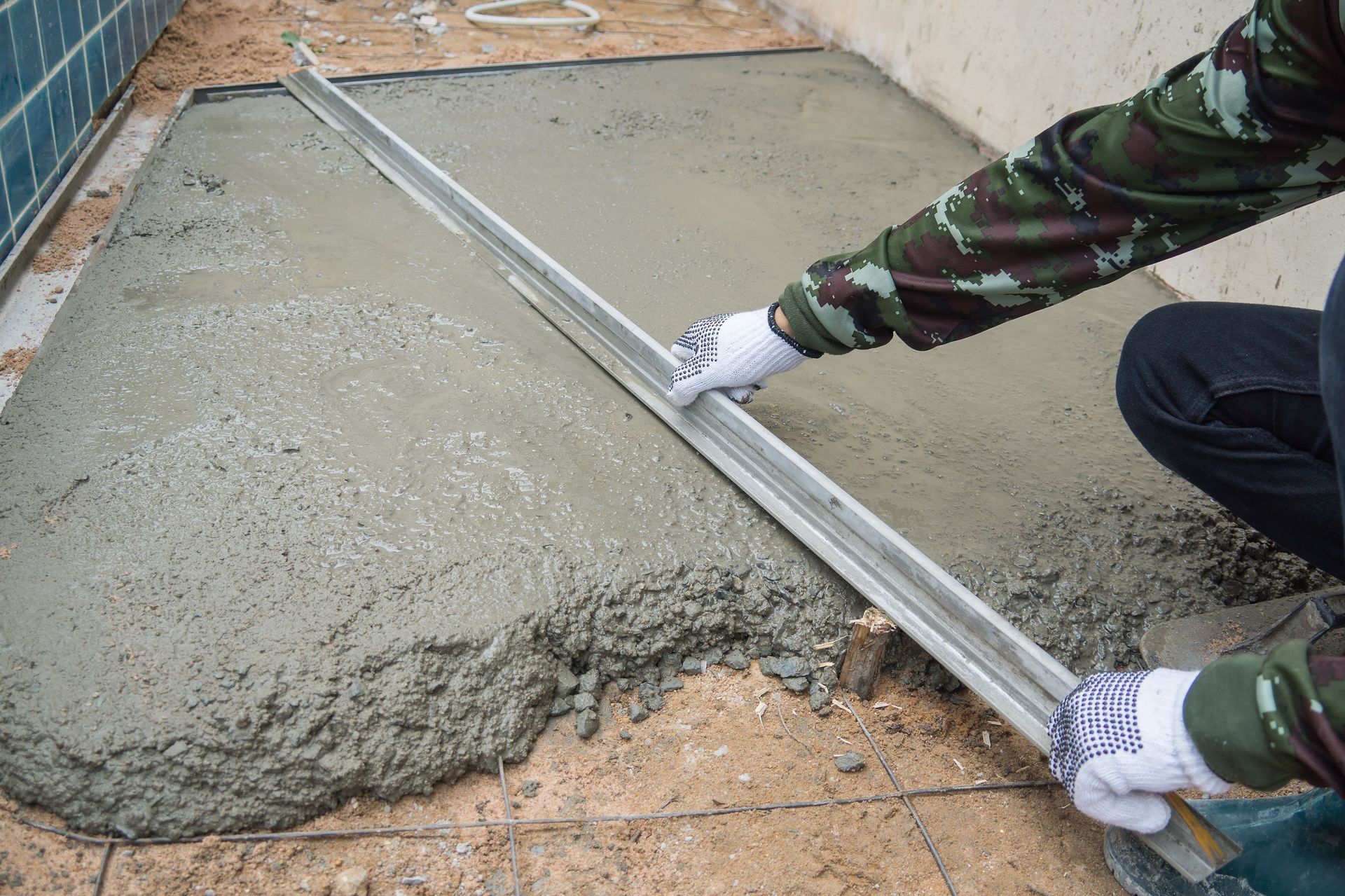
Slabjacking is a common method used to correct areas where concrete has settled unevenly. This technique involves creating small openings in the affected concrete and injecting a lifting material beneath the surface. As the material expands, it fills empty spaces and raises the concrete back toward its original position.
This method is often used for driveways, patios, sidewalks, and certain types of concrete foundations. It provides a less invasive option compared with complete replacement and can help restore functionality while reducing repair costs.
For more serious settlement issues, underpinning provides deeper structural support. This process strengthens the foundation by transferring the building’s weight from unstable soil to stronger layers beneath the surface. Underpinning systems are carefully designed based on the structure’s size, weight, and soil conditions.
Push pier and helical pier systems are common examples of underpinning solutions. Push piers rely on hydraulic installation methods and the weight of the building to reach stable soil layers. Helical piers feature spiral-shaped plates that are driven into the ground, making them useful for a variety of residential and commercial applications.
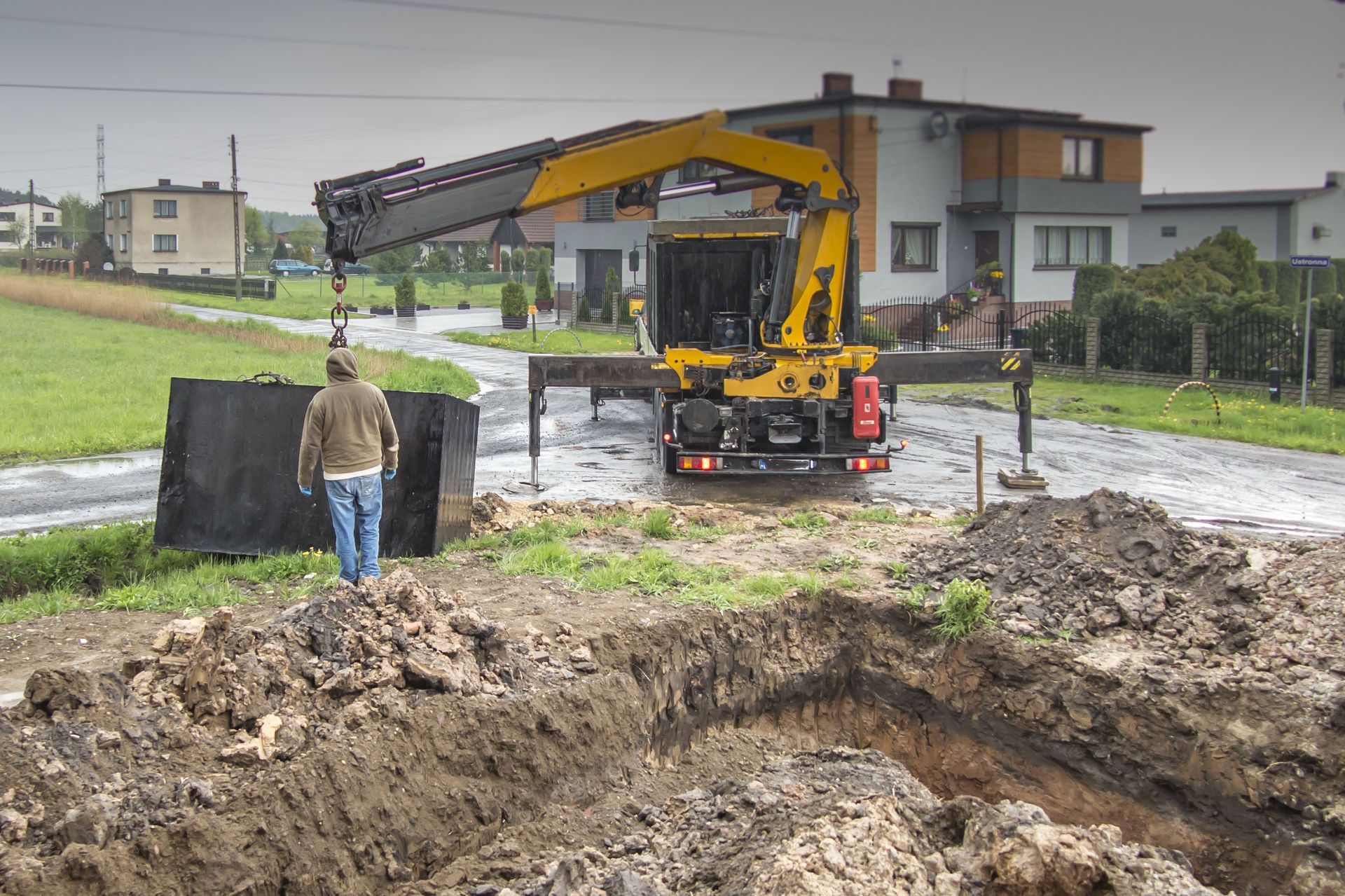
In cases where a foundation has suffered severe deterioration, house lifting may be necessary. This complex process involves carefully raising the structure using hydraulic equipment so damaged foundation sections can be repaired or rebuilt. Because the process requires precise coordination, it should only be completed by experienced professionals.
Basement walls can also experience problems when outside soil pressure pushes inward. Over time, this pressure may cause walls to bow, crack, or move out of alignment. Wall anchors provide reinforcement by connecting interior wall plates to anchors installed in stable soil away from the structure. This system helps counteract external pressure and improve wall stability.
These techniques are often used alongside other foundation repair methods to provide comprehensive protection. By addressing both current damage and the conditions causing movement, repairs can provide longer-lasting results.
Long-Term Foundation Maintenance
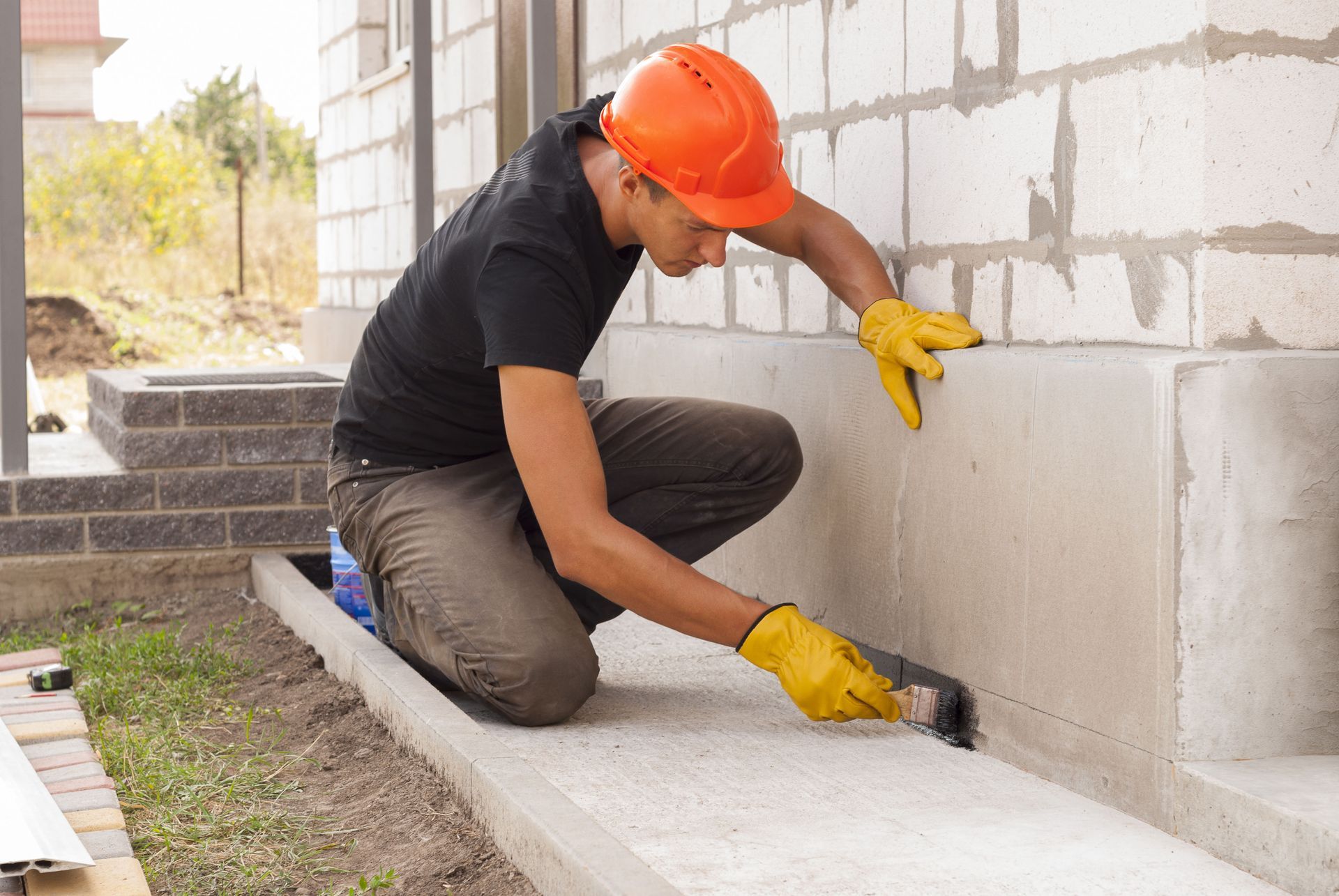
Maintaining a stable foundation requires ongoing attention rather than waiting until visible damage appears. Routine property inspections can reveal early signs of movement, moisture problems, or drainage issues before they become significant concerns. Homeowners should regularly check areas around the exterior of the building for pooling water, erosion, or changes in grading that may direct moisture toward the foundation.
Interior spaces can also provide valuable clues about foundation performance. Changes such as newly developed cracks, uneven flooring, or shifting interior features should not be ignored. While these signs may sometimes result from normal settling, they can also indicate deeper structural concerns that require evaluation.
Professional contractors can help property owners develop maintenance plans that address the specific needs of their buildings. These plans may include improving drainage systems, repairing minor damage, and monitoring areas that show signs of stress. Taking a proactive approach reduces the likelihood of sudden structural failures and helps extend the lifespan of the foundation.
Another important factor in protecting a foundation is understanding how environmental changes affect the property over time. Seasonal weather patterns, changes in groundwater levels, and nearby construction activity can all influence soil conditions. Even properties that were originally built with strong foundations may experience movement as surrounding conditions change. Monitoring these factors and addressing concerns quickly can help prevent long-term structural issues.
Investing in foundation repair when issues are discovered is not only about correcting existing damage; it is also about protecting the future value of the property. A stable foundation contributes to a safer living environment, improves overall structural performance, and prevents other building systems from experiencing unnecessary strain.
Proactive Structure Preservation
Soil movement, moisture problems, and aging materials can gradually affect structural performance. Taking action before damage becomes severe helps protect the building and avoid unnecessary expenses. Professional foundation repair not only restores stability but also preserves the safety, comfort, and value of the property.
A strong foundation is one of the most important investments a property owner can make. According to The Business Research Company, the foundation repair service market is projected to reach $4.61 billion by 2030. With proper care, inspections, and timely professional assistance from the experts at Raise Right Foundation & Slab, property owners can maintain a strong and reliable foundation. Understanding the causes of damage and responding to warning signs early ensures that buildings remain secure, functional, and valuable over the long term.
Share On: